
24/7 全天候客户支持

免费退货

当日/次日达

品质保障

开启新人专享福利: 全场免邮 | 低至 2 折 | 免费试用 30 天 JoyPlus 会员
下载 Joybuy
Choosing Myprotein sports nutrition supplements and high-protein foods can be more complicated than expected. Product pages often use similar language for very different formulas, serving sizes and dietary requirements. A low sticker price may also hide a small tub, a high serving frequency or a product that does not suit your training routine.
This guide focuses on practical details: what to check on the label, which formats suit different lifestyles and how to avoid paying for features you may not use.
An EAA powder or BCAA powder is not the same as whey protein powder or a high-protein meal. Essential amino acids provide selected amino acids, while a protein powder or food product usually contributes a larger amount of total protein.
For example, Impact EAA products list all nine essential amino acids and contain zero calories and zero sugar per stated serving. They may suit someone wanting a light drink around training, but they do not replace a meal containing protein, carbohydrates, fibre and other nutrients.
A 250g tub may sound substantial until you check the recommended serving size. Impact EAA products commonly use approximately 7g or 9g per serving, while BCAA products use 5g. Compare cost per serving, not simply pack weight.
Also check whether the scoop size varies between flavours. The serving and nutrition information on the packaging should take priority over general online descriptions.
“Vegetarian” does not always mean “vegan”, and a product manufactured in a facility handling milk may not suit people managing allergies. Whey-based recovery products contain milk, while some amino acid supplements are suitable for vegetarian and vegan diets but may still carry facility-allergen statements.
Frozen high-protein meals can also contain wheat, soya, milk, mustard or egg. Always read the current label before purchasing or consuming.
For a conventional Myprotein protein powder, look at protein per serving and the calorie contribution. One listed Impact Whey flavour provides 22g of protein in a 30g serving, with 113 kcal per serving. That makes it different from an EAA powder, which may contain no declared protein or calories but supplies specified free-form amino acids.
For demanding sessions, a product combining protein and carbohydrate may be more appropriate. MYPROTEIN THE Recovery x HYROX provides 20g hydrolysed whey protein, 15g maltodextrin carbohydrate and 966mg of electrolytes per approximately 43g serving. This combination is designed for people who want a single-scoop post-workout recovery supplement rather than separate products.
Choose a format you will use consistently:
For runners, THE Energy Gel Raspberry Lemonade provides 30g of carbohydrate per 60ml serving and includes magnesium and potassium. The pack contains 20 sachets, with the label advising a maximum of six sachets in 24 hours. It should be used alongside suitable fluid intake and a balanced diet, rather than treated as an everyday snack.
Check whether the product is suitable for your diet and kitchen setup:
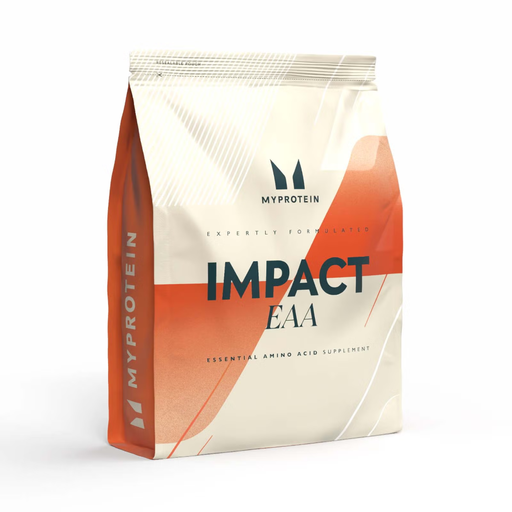
Why This Fits Their Persona: An unflavoured powder gives beginners flexibility to mix it with water, juice or an existing shake without committing to a strong flavour.
The 250g pack states a 7g serving, making it easier to calculate usage and cost before buying.
Lists all nine EAAs, a 4:1:1 BCAA ratio, zero calories and zero sugar; suitable for vegetarians and vegans.
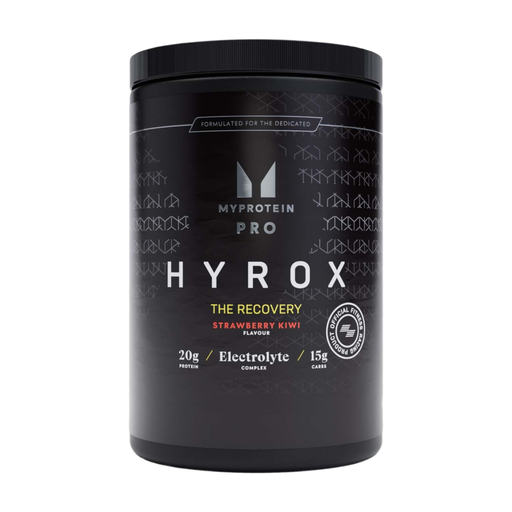
Why This Fits Their Persona: A one-scoop format suits HYROX competitors and functional fitness users who want protein, carbohydrate and electrolytes together after intense sessions.
Its nutrition panel clearly separates protein, carbohydrate and electrolyte quantities instead of relying only on broad recovery language.
Provides 20g whey protein, 15g maltodextrin and 966mg electrolytes per serving; suitable for vegetarians but contains milk.
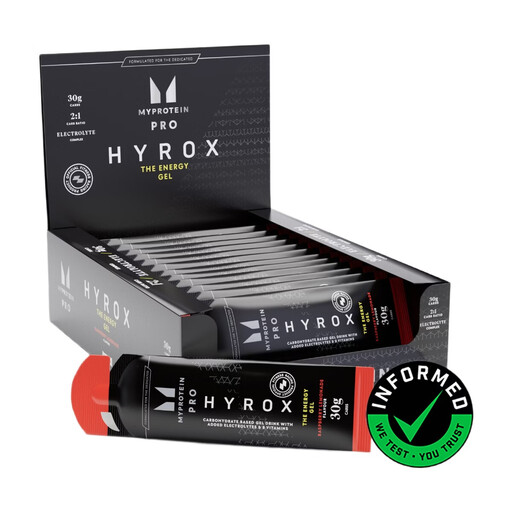
Why This Fits Their Persona: Runners, cyclists and competitors can carry single-use sachets during prolonged training or events without preparing a shake.
The pack states carbohydrate content per sachet and gives a clear maximum daily intake, helping users plan rather than guess.
Supplies 30g carbohydrate per serving and includes magnesium, potassium and B vitamins in individual sachets.
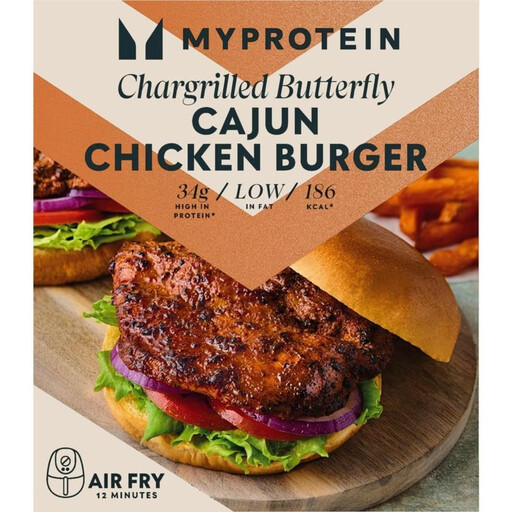
Why This Fits Their Persona: A frozen, ready-to-cook option suits UK shoppers who want a convenient high-protein meal after training or during a busy week.
The nutrition panel gives protein per 100g, allowing a direct comparison with other frozen high-protein meals.
Contains 26.4g protein per 100g and is stored frozen; contains wheat, so check the allergen information.
We have compiled a complete, real-time list of products that fully satisfy these strict selection criteria and UK safety regulations.
No. It is a convenient way to increase daily protein intake, but meals can also provide protein. Choose a whey protein powder when convenience, serving control or portability matters. A recovery blend may be more suitable after sessions where you also want carbohydrate and electrolytes.
Several listed EAA and BCAA products are described as suitable for vegetarians and vegans. However, some labels state that they are produced in facilities handling milk. Check the current packaging, ingredient list and allergen statement before use.
Calculate the price per serving, then compare the active nutrient amount per serving. For frozen meals, compare protein per 100g and portion size. For energy gels, compare carbohydrate per sachet and the number of sachets in the pack. This gives a clearer picture than comparing tub size or promotional wording alone.