Hosts cutting a shared plate
A larger naan lets you decide the shape of each piece. M&S describes its garlic-and-coriander naan as restaurant-size, but that description does not establish its thickness.


Choose a large naan if you want to cut the pieces yourself, or individual naans if you would rather serve them without cutting. Plain naan leaves more room for different toppings, while garlic-and-coriander or peshwari naan gives each portion a distinct flavour. Size, pack weight and descriptions such as “fluffy” do not establish which naan is thick-cut, so check the bread itself if thickness is essential to your plan.
A larger naan lets you decide the shape of each piece. M&S describes its garlic-and-coriander naan as restaurant-size, but that description does not establish its thickness.
A mini format reduces the cutting needed for separate servings. Sainsbury's lists four mini plain naans in a 188 g pack; its peshwari option offers a different flavour plan rather than the same portion format.
Ask guests what they need to avoid and check the current packaging before choosing a naan. Food Standards Scotland also advises cleaning surfaces and equipment to prevent cross-contact during preparation.
Plan the shape and number of portions first, then choose a flavour that works with the rest of the food and check any guest-specific ingredient requirements.
| Priority | What to check | Your needs |
|---|---|---|
| Portion format | Check the number of breads and whether you intend to cut them. M&S calls its 380 g garlic-and-coriander naan restaurant-size; Sainsbury's lists four mini plain naans in a 188 g pack. Neither description measures thickness. | I want to cut substantial pieces for a shared plate, or serve separate small breads without cutting each portion. |
| Flavour | Check the bread against your planned toppings. Waitrose lists plain naan; Tesco lists garlic-and-coriander naan and peshwari naan made with sultanas and coconut. | If the toppings supply the flavour, I would choose plain naan. For a savoury or sweeter bread in its own right, I would consider the corresponding flavoured option. |
| Ingredients and allergens | Read the current pack and any manufacturing warnings. Sainsbury's warns that its mini plain and peshwari naans are not suitable for customers with a milk allergy because of manufacturing methods; ASDA labels its specific Free From plain-naan two-pack gluten-free and milk-free. | A guest's requirements may determine which pack I buy and how I prepare it, regardless of the portion size I had planned. |
| Number of servings | Compare pack count with the portions you intend to put out. A two-naan pack and a four-mini-naan pack call for different cutting and serving plans; pack weight alone does not tell you the thickness of a piece. | I need enough pieces in the shapes I plan to serve, whether each bread stays whole or is divided for a shared plate. |
| Heating and serving | Read the instructions for the selected product before setting a serving time. Sainsbury's says to serve its mini plain naan warm after heating and not to reheat it once cooled. | If I am preparing several dishes, I want the naan's heating instructions to fit the order in which I will serve them. |
A large bread can give you control over the size of each piece, but size and texture descriptions do not tell you its thickness.
Choose between a bread to cut and individual mini naans on serving format. If thickness is essential, inspect the particular bread rather than relying on those descriptions.
Sainsbury's mini plain naan carries a milk-allergy manufacturing warning. Ingredients are not the only consideration when food is prepared alongside other dishes.
Ask affected guests about their requirements, inspect the current pack and use clean surfaces and equipment to help prevent cross-contact, as Food Standards Scotland advises.
These examples describe particular supermarket products, not every naan sold under each brand.
M&S lists a 380 g garlic-and-coriander naan it describes as restaurant-size, a format to consider when cutting portions yourself.
Waitrose lists two plain naans in a 220 g pack for a serving plan where toppings provide the main flavour.
Sainsbury's lists a four-pack of mini plain naans and a two-pack of peshwari naans, giving hosts different portion and flavour options.
ASDA's Free From plain-naan two-pack is a product to assess when a guest requires gluten-free food.
Tesco lists garlic-and-coriander and peshwari naan two-packs for distinct savoury and sweeter flavour plans.
These Humza packs offer individual plain or garlic-and-coriander naans for a party serving plan. Choose the pack count and flavour to suit your portions and toppings; the listed sizes do not establish that a bread is thick-cut.
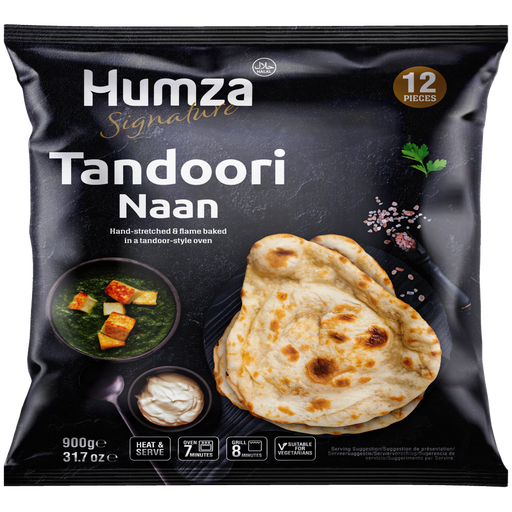 No image available
The 12 individual plain naans suit a plan to serve separate breads with a choice of toppings. Check the current pack for guests' ingredient requirements; the pack size does not establish thickness.
 No image available
This four-piece plain pack is an option when you want fewer individual breads and plan to add flavour through toppings. Check the current ingredients for your guests, and inspect the bread if thickness matters.
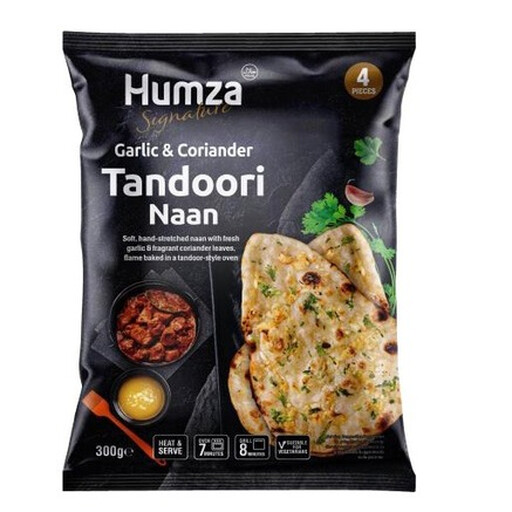 No image available
The 12 individual garlic-and-coriander naans suit a savoury serving plan without cutting a large bread. Consider whether that flavour works with every topping you intend to offer; the pack does not establish thickness.
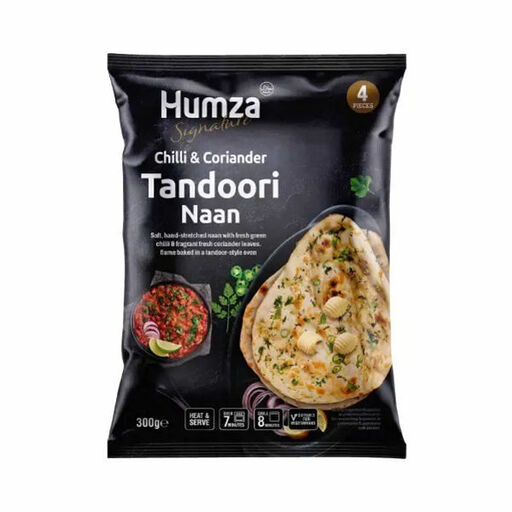 No image available
This four-piece pack offers individual garlic-and-coriander naans for a savoury plate. Check that the flavour fits your planned toppings and inspect the current pack for ingredient requirements; its thickness is not established by the pack details.
Follow the instructions on the particular pack rather than assuming all naan is served the same way. Sainsbury's gives heating instructions for its mini plain naan and says to serve it warm and not reheat it once cooled.
Ask the guest what they cannot eat, check the current packaging and use clean equipment and surfaces to help prevent cross-contact. Food Standards Scotland notes that cooking does not remove allergens; keep the packaging available so guests can inspect the ingredients.
Keep fillings that require chilling refrigerated until you need them, and plan how long they will be out during service. GOV.UK guidance for food businesses says chilled food may be out of the fridge for up to four hours, after which it must be discarded; if it has been out for less than four hours, it can be returned to the fridge. This guidance concerns chilled food, not automatically the naan served with it.