Home cooks seeking a known blend
If you want both white and wholemeal flour in the dough and can plan ahead, HEART UK provides a recipe with specified quantities of each.


If a known white-and-wholemeal blend matters, make naan from a specified recipe: HEART UK uses 150g white and 100g wholemeal strong bread flour, but its recipe needs preparation and rising time. For a quicker dinner side, choose ready-made naan by portion size and flavour, checking the ingredients rather than assuming a plain or brown-looking naan contains wholemeal flour.
If you want both white and wholemeal flour in the dough and can plan ahead, HEART UK provides a recipe with specified quantities of each.
Ready-made two-packs offer one naan per person if that suits the meal. Mini naans offer smaller individual portions; check the chosen pack’s heating and storage directions.
Check the actual pack’s ingredients and allergen information before serving a guest. A separately labelled gluten-free naan is a different choice from a wheat-flour blend.
Start with the flour you want, then decide whether the preparation time and pack format fit dinner for two.
Choose it when: You want a specified flour blend; HEART UK’s six-serving recipe uses 150g white and 100g wholemeal strong bread flour.
Plan for: HEART UK gives 35 minutes of preparation, one hour of rising and approximately six minutes of cooking per naan.
Choose it when: You would rather heat a prepared side than make dough, and the pack’s portions and ingredients suit your dinner.
Check first: Plain naan is not necessarily a white-and-wholemeal blend; pack sizes and storage directions also differ.
| Priority | What to check | Your needs |
|---|---|---|
| Flour and fibre | Look for named flours in a recipe or ingredient list. If comparing labelled fibre values, use the same per-100g basis rather than unlike serving sizes. | I want to know whether wholemeal flour is actually present, rather than judge by the naan’s colour or its plain name. |
| Time and portions | Allow for preparation and rising if making dough. For ready-made naan, distinguish whole naans from mini portions and check how the label defines a serving. | For dinner for two, I’d choose a portion format that fits the meal without overlooking how many naans the pack contains. |
| Ingredients and allergens | Read the actual pack for allergens. If a diner needs gluten-free food, assess a specifically labelled alternative rather than a wheat-flour naan. | Someone joining me needs the ingredients checked before I serve the bread; a vegan label would not answer a gluten-free question. |
| Storage | Check whether the chosen pack needs ambient or chilled storage, and follow its after-opening, freezing and heating directions. | If I’m shopping ahead, the pack needs to fit when I plan to serve dinner. |
| Flavour | Distinguish plain naan from garlic-and-coriander varieties; check the product name and ingredients for the version you want. | I may want a plain side, or I may prefer the garlic-and-coriander flavour alongside this meal. |
Plain describes the variety, not a verified white-and-wholemeal blend. A brown appearance does not identify the flours either.
Check for wholemeal flour in the ingredients, or use a recipe that specifies both flours.
A vegan designation does not establish that a naan contains no gluten. The NHS identifies wheat as a gluten-containing cereal.
If a diner needs gluten-free food, check a specifically labelled alternative, its actual pack and the other ingredients in dinner.
Ocado’s M&S naan listing gives nutrition per half-naan, while other products use whole-naan or mini-naan portions.
Compare available per-100g figures first, then consider the amount each person is likely to serve.
Ready-made naan listings differ on ambient, chilled and after-opening storage, which can affect when you buy and serve a pack.
Read the chosen pack’s date mark and storage, freezing and heating directions rather than applying another naan’s instructions.
These examples show how formats and label details can differ; a brand name alone does not establish a white-and-wholemeal blend.
Asda lists plain naan in a two-pack and a six-mini-naan pack, as well as a separately labelled Free From two-pack.
Tesco lists a two-pack of plain wheat naans with ingredients, per-100g nutrition and heating directions.
Sainsbury’s lists a two-pack of plain naan with heating directions for chilled or frozen bread.
An Ocado listing describes an M&S pack containing two plain naans.
Waitrose lists a two-pack of plain naan and a separate chilled garlic-and-coriander variety.
These Humza four-packs offer a plain naan and a garlic-and-coriander naan for a ready-made dinner side. If you specifically want a white-and-wholemeal blend, check the flour ingredients on the chosen pack.
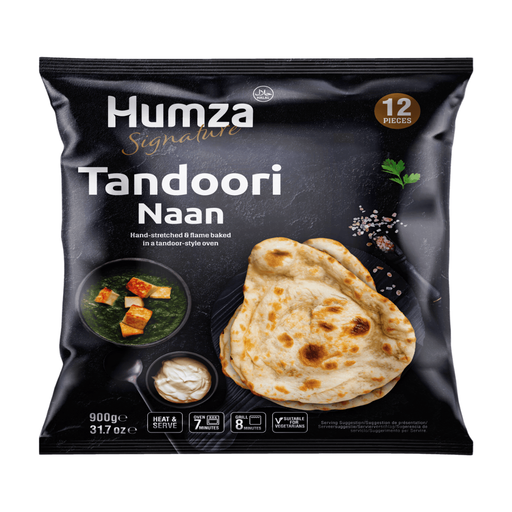 Image unavailable
A ready-made plain option if you want naan alongside dinner without making dough. The four-piece, 300g pack may leave portions for another meal if serving two; Joybuy’s ingredient listing names wheat flour, so check the pack if wholemeal flour is essential.
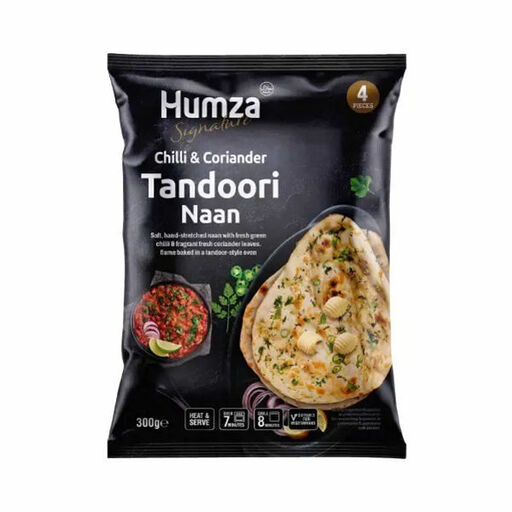 Image unavailable
A ready-made choice when you want garlic and coriander rather than a plain naan. This 300g pack contains four pieces; check the ingredients if you need a particular flour blend or need to assess allergens.
Not necessarily. Its name and colour do not identify the flour blend, so look for wholemeal flour in the ingredient list if that is what you want.
HEART UK’s six-serving naan recipe specifies 150g white strong bread flour and 100g wholemeal strong bread flour. It gives 35 minutes of preparation plus one hour of rising, followed by approximately six minutes of cooking per naan.
No. The NHS identifies wheat as a gluten-containing cereal. Choose an appropriately labelled gluten-free alternative and check the actual pack and the rest of the meal before serving.
No. Follow the chosen pack: for example, Tesco gives directions for its ambient plain naans, while Sainsbury’s gives chilled and frozen heating directions and says to refrigerate its naan once opened.
UK government food-labelling guidance distinguishes use-by dates, which concern safety, from best-before dates, which concern quality. Check which date appears on your naan and follow its storage directions.