Students buying dinner for one
Check how many naans and stated servings are in a pack, then read the instructions for keeping any you do not use at dinner.


For one dinner, start with the naan’s ingredients and the amount you will use: a plain pack may suit a simple accompaniment, while a wholemeal option is worth comparing if fibre matters to you. Choose a white-and-wholemeal blend only when the specific naan lists both flours; its colour or a familiar bread slogan cannot establish what it contains. Check fibre per 100g, opened-pack instructions and allergens before deciding.
Check how many naans and stated servings are in a pack, then read the instructions for keeping any you do not use at dinner.
Read the flour ingredients rather than judging by colour, and compare declared fibre using the same per-100g basis.
Check the exact pack’s ingredients, allergen statements and any specified free-from claims. A plain wheat naan and a naan labelled free from particular allergens answer different needs.
Start with the pack you can use, then check whether its flour ingredients, fibre declaration and allergen information meet your needs.
| Priority | What to check | Your needs |
|---|---|---|
| Usable portions | Compare pack weight, naan count and the stated serving size. Read the instructions for keeping the pack after opening. | I am eating alone and want to use the pack as instructed. Sainsbury’s describes four half-naan servings in one plain two-pack but two servings in its separately listed Indian plain two-pack. |
| Flour blend | Look for both white and wholemeal flour in the specific naan’s ingredients. Do not apply a sliced loaf’s description to a naan. | If I want a blend, the naan itself needs to list both flours. Tesco’s Hovis Best of Both sliced loaf documents a blend, but its ingredients do not establish the composition of a naan. |
| Declared fibre | Compare fibre in grams per 100g and check the flour ingredients. Sainsbury’s lists 3.4g per 100g for its plain two-pack; Sounas declares 6.2g per 100g for its wholemeal naan. | Fibre matters to me, so I want figures for the particular naans I am considering. Those two product declarations do not describe every plain or wholemeal naan. |
| Allergens | Read the full ingredients and allergen statements on the exact pack. Check which allergens any free-from claim names. | Someone sharing my dinner needs to avoid a particular allergen; the word “plain” does not tell me whether the naan is suitable. |
| Preparation | Check the pack’s heating method and storage instructions, including what to do after opening. | I need a preparation method that works with the kitchen equipment I can use, and instructions I can follow for any leftovers. |
Tesco’s Hovis Best of Both listing identifies white and wholemeal flours in a sliced loaf. That tells you nothing about the ingredients of a separate naan.
If a blend matters, look for both flours on the exact naan’s ingredient list before treating it as a match.
Sainsbury’s describes four half-naan servings in one plain two-pack, while its separately listed Indian plain two-pack contains two servings. Their nutrition figures use different stated portions.
Check bread count, pack weight and serving basis before comparing per-serving information.
Sainsbury’s cited plain naan lists wheat and carries a milk-allergy warning related to manufacturing methods. Asda’s cited Free From naan makes different, specified allergen claims.
Read the current pack’s complete allergen information for the particular ingredient you need to avoid.
These retailers’ listings show different naan formats and label details; a brand name alone does not establish a particular naan’s flour blend or allergen suitability.
Sainsbury’s lists a plain 260g two-pack and a separately listed Indian plain 260g two-pack.
Tesco’s naan listing includes plain and mini formats.
Asda lists a Free From plain naan two-pack labelled free from gluten and milk.
Its UK food catalogue lists mini plain and peshwari naan formats.
Its naan category lists plain, garlic-and-coriander and peshwari options.
These Joybuy options are plain or garlic-and-coriander naans for a student dinner. Check the ingredients on the pack if you specifically want a white-and-wholemeal blend, and consider how much of each pack you will use.
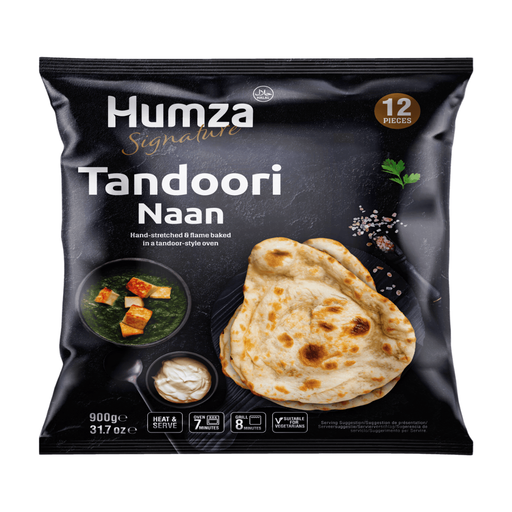 No image available
This plain four-piece pack is an option when you can use several naans across meals. Check the pack’s storage instructions for any you keep, and compare its declared fibre per 100g if that matters to your choice.
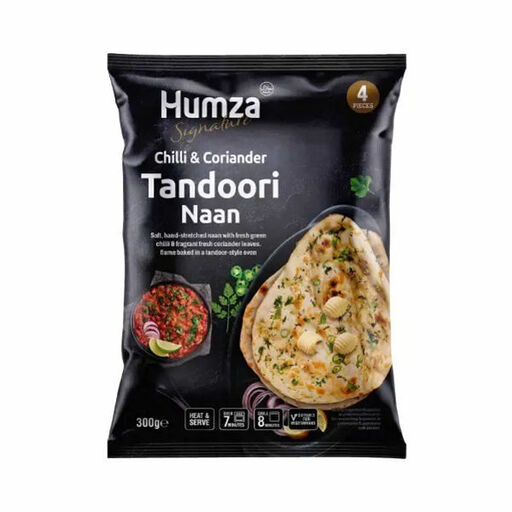 No image available
Choose this four-piece pack if garlic and coriander suit the dinner you are making. Check its ingredients and allergen information on the exact pack; the flavour name does not establish a flour blend.
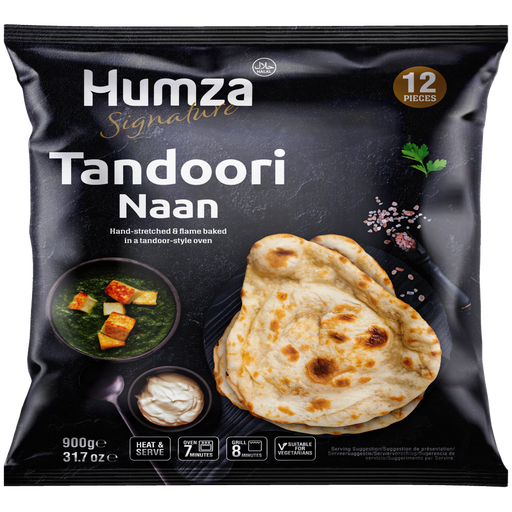 No image available
The 12-piece pack is worth considering for a group or several meals, rather than assuming you will use it for one dinner. Check its storage instructions and the space you have for the remaining naans.
No fibre figure can be established from colour alone. Check the particular naan’s flour ingredients and compare its declared fibre in grams per 100g.
Follow the instructions on the pack you buy. Sainsbury’s says to use its cited plain naan within one day of opening, while its separately listed Indian plain naan says to keep it refrigerated; do not transfer one product’s instructions to another.
Read the exact pack’s ingredients and allergen information. Sainsbury’s cited plain naan lists wheat and warns that it is not suitable for people with a milk allergy because of manufacturing methods; Asda separately labels its cited Free From naan free from gluten and milk. Check which restriction each product’s current label addresses.