Hosts serving curry or dips
Naan suits a meal where guests will tear bread and scoop up sauces. Allow time to follow the chosen pack’s heating directions if you want to serve it warm.


Choose naan if you want warm bread to tear and serve with curry, sauces or dips; choose a medium-sliced loaf if you need ready-cut slices for sandwiches. They are different bread formats, so plan portions from the particular pack and check its allergens, storage and preparation directions before buying for Easter lunch.
The dishes you plan to serve determine whether tearable naan or ready-cut loaf slices are more useful.
Naan suits a meal where guests will tear bread and scoop up sauces. Allow time to follow the chosen pack’s heating directions if you want to serve it warm.
A medium-sliced loaf provides ready-cut slices. The medium-sliced products described by Waitrose and Asda are loaves, not sliced versions of naan.
Check the exact bread’s ingredients, allergen declarations and precautionary advice against each guest’s requirements. A specially labelled naan is an option to assess, but its label must be checked separately from a standard naan or sliced loaf.
Choose it when: Curry, sauces or dips call for bread guests can tear and scoop with.
Allow for: Naan is not a pre-sliced loaf, and serving it warm adds a preparation step.
Choose it when: Sandwiches or individual loaf slices are part of the lunch.
Keep in mind: A sliced loaf does not provide the tearable naan format for scooping sauces.
| Priority | What to check | Your needs |
|---|---|---|
| Bread format | Match tearable naan or ready-cut loaf slices to the dishes being served. Check the product name rather than treating “medium sliced” as a naan variant. | If curry or dips are on the table, I want bread for scooping. For sandwiches, ready-cut slices make more sense. |
| Portions and preparation | Read the chosen pack’s piece count, stated servings and heating directions. Sainsbury’s labels its two-naan pack as four half-naan servings; Waitrose labels its two-naan pack as two servings. | I want enough bread for guests and need to know whether warming it will fit around preparing the rest of lunch. |
| Allergens | Check the exact pack’s ingredients, allergen declarations and precautionary advice. Asda labels one Free From naan as free from milk, cereals containing gluten and eggs, while its checked medium-sliced loaf declares wheat and soya. | A guest may need to avoid a particular ingredient; changing from naan to a loaf does not settle that question for me. |
| Buying ahead | Inspect the pack date and follow its storage and after-opening directions. Confirm the particular shop’s Easter Sunday arrangements before relying on a same-day visit. | If I am shopping before Easter Sunday, I need the bread to be usable when lunch is served. |
Tesco’s checked naan is a flatbread, while Waitrose’s checked medium-sliced bread is a loaf described for sandwiches. Their formats serve different meals.
Decide whether you need bread to tear and scoop with or ready-cut sandwich slices before comparing packs.
Sainsbury’s states four half-naan servings for its checked two-pack; Waitrose states two servings for its checked two-pack.
Use the serving basis on the pack you choose, then decide what portion you intend to offer each guest.
GOV.UK says shops over 280 square metres must close on Easter Sunday in England and Wales, while Scotland has no trading-hours restrictions. Belfast City Council says large shops there must close, with specified exemptions.
Check the arrangements for your particular shop and location. If you buy ahead, follow the bread’s storage directions.
These retailer examples show why the bread format and the exact pack label matter; a detail stated for one product does not describe every bread in that retailer’s range.
Asda lists plain naan, a separately labelled Free From plain naan and a medium-sliced white loaf.
Tesco’s checked plain naan comes as a two-pack with oven and grill directions.
Sainsbury’s lists its checked Flamebaked Plain Naans as a two-pack with four half-naan servings.
M&S describes its checked Plain Naans as a 200 g, hand-shaped, flame-baked product.
Waitrose has checked listings for both a two-pack of plain naan and an 800 g medium-sliced white loaf.
These Joybuy products are naan options for a lunch with curry, sauces or dips. If you need sandwich slices instead, choose a medium-sliced loaf rather than treating these flatbreads as ready-cut bread.
 No image available
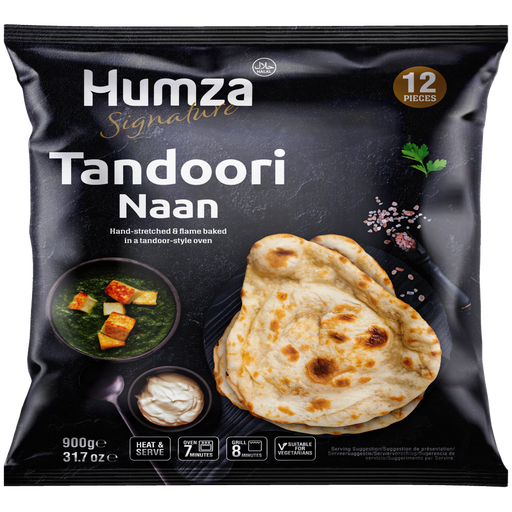
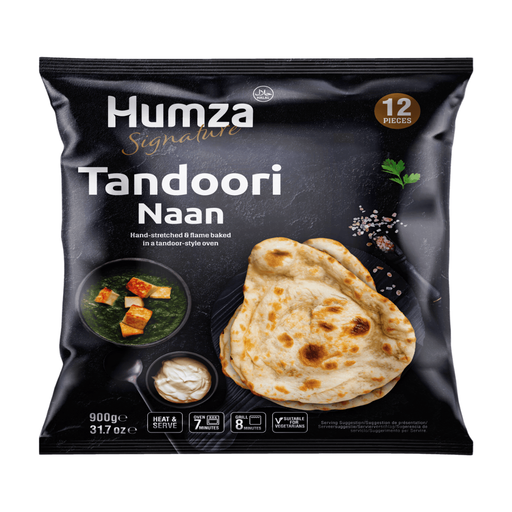
Consider this plain naan pack when serving bread alongside curry or dips to a group. It contains 12 pieces in a 900 g pack; check the label for allergens and preparation directions. It is not a medium-sliced sandwich loaf.
 No image available
This plain tandoori naan is an option when you want flatbread with sauces rather than sandwich slices. The pack states 300 g and four pieces; check its label for allergens, storage and heating directions before serving.
 No image available
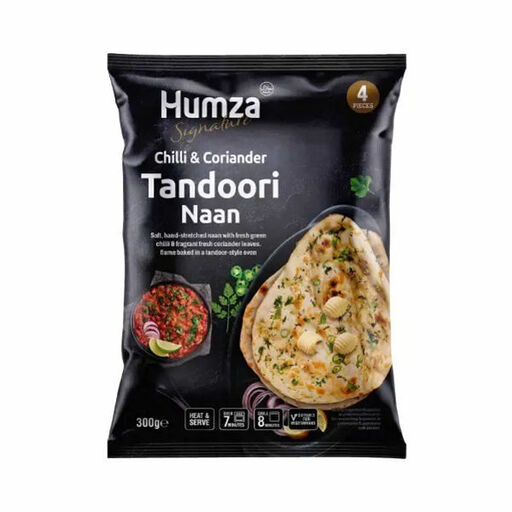
Choose this naan format if garlic and coriander suit the dishes you are serving with flatbread. It is a flavoured naan rather than a plain naan or a medium-sliced loaf; check the pack’s ingredients and preparation directions for your guests.
Check the directions on the naan you choose rather than applying one pack’s method to another. Tesco gives oven and grill instructions for its checked plain naan if you want to serve it warm.
Follow the directions and dates on the actual pack. Tesco says its checked naan should be used within one day of opening; Waitrose advises resealing the bag of its checked medium-sliced loaf after use.
No. Check the particular pack’s ingredients, allergen declarations and precautionary advice against that person’s requirements. The checked Tesco plain naan contains wheat, while Asda’s separately labelled Free From naan makes claims about specified allergens; neither label describes every naan.
Do not assume it will be. GOV.UK says shops over 280 square metres must close on Easter Sunday in England and Wales, while Scotland has no trading-hours restrictions. Belfast City Council says large shops there must close, with specified exemptions. Check the particular shop’s arrangements.
GOV.UK says retailers must offer a full refund for goods that are faulty or not as described. A change-of-mind return is a separate question: its guidance identifies exceptions for perishable goods, which should not be confused with a remedy for faulty or misdescribed goods.