Buyers planning regular-diet meals
Match standard or mini naan packs to the planned portions, then check the pack’s heating and storage instructions. Only use regular bread where it fits the person’s eating plan.


For customers or residents whose eating plan includes regular bread, choose standard or mini naan according to the portions and pack quantities you need. Do not treat a smaller cut or a soft-looking naan as suitable for someone with swallowing difficulties: the International Dysphagia Diet Standardisation Initiative (IDDSI) generally classifies bread as a Level 7 regular food, and suitability depends on the individual’s clinical recommendations. If medium slicing is a purchasing requirement, confirm the exact format with the supplier before ordering.
Match standard or mini naan packs to the planned portions, then check the pack’s heating and storage instructions. Only use regular bread where it fits the person’s eating plan.
IDDSI generally places bread at Level 7 regular, which requires biting and chewing. Apparent softness and smaller pieces do not replace an individual clinical recommendation or assessment of the food as served.
Check the delivered pack’s ingredient and allergen declaration against the requirements of the people being served. The Food Standards Agency provides allergen-information guidance for food businesses; an earlier online listing should not replace the current label.
Decide which texture is appropriate before choosing a portion format; then check the exact pack for allergens, storage and preparation.
| Priority | What to check | Your needs |
|---|---|---|
| Eating texture | Check the individual eating plan and the food at its intended serving condition. IDDSI generally classifies bread as Level 7 regular; cutting it smaller does not establish a different texture level. | I need to know whether regular bread is appropriate for the person being served, rather than judging naan by how soft it looks. |
| Allergens | Read the current pack’s ingredients and allergen declaration, then follow the food service’s allergen-control procedures. | Before serving or stocking a pack, I need to check it against the relevant allergy requirements. |
| Portions and format | Compare the number and size of naans with planned servings. Ask the supplier to confirm any medium-sliced requirement rather than assuming a naan pack is sliced. | Smaller naans may fit individual portions; a standard pack may suit a shared meal. Either way, I need the format to match the serving plan. |
| Storage and heating | Check the exact pack’s freezing, opening, defrosting and heating directions before setting a stock-rotation or service plan. | I want to choose a pack whose storage instructions and preparation steps fit the way meals are served. |
IDDSI generally classifies bread as Level 7 regular, requiring biting and chewing. Cut size alone does not establish suitability for someone with swallowing difficulties.
Follow the person’s clinical recommendations. Where texture modification is being considered, use the appropriate IDDSI testing methods for the food as it will be served and seek guidance from the relevant clinician.
A pack of naan breads should not be assumed to contain medium-sliced pieces. That difference affects how portions will be prepared.
Request the current specification, pack image or sample from the supplier before ordering. Plan to portion whole naan only if that fits the service’s procedures.
The reviewed Waitrose naan listings identify cereals containing gluten. Ingredients and allergen information can change between listings and delivered packs.
Check the current on-pack declaration when goods arrive and before service, using the site’s allergen-control procedures.
Freezing and handling directions belong to the particular product and affect stock rotation.
Record and follow the exact pack’s opening, freezing, defrosting and heating instructions.
Tesco Groceries lists both standard plain naan in a two-pack and mini plain naan in a six-pack.
Waitrose & Partners lists plain and tandoori-style naan with product-specific allergen and storage information.
Marks & Spencer lists mini plain and standard plain naan formats.
These naan packs offer different quantities and flavours for a retirement shop or meal service. Confirm the format with the supplier if medium slicing is required, and assess eating texture separately from pack size.
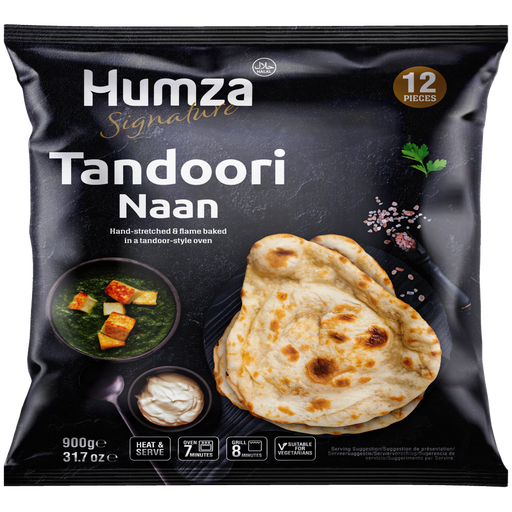 No image available
The 12-piece plain pack is an option when planning several naan servings. Check its current allergen, storage and preparation directions before service; pack quantity does not establish suitability for a modified-texture diet.
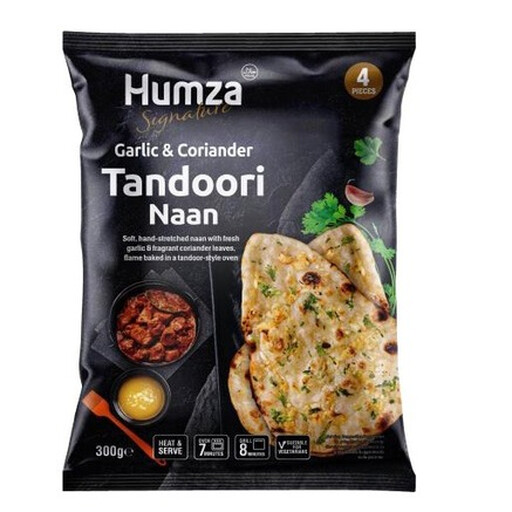 No image available
This 12-piece pack provides a garlic and coriander option where that flavour fits the menu. Check the delivered pack’s allergen and storage directions, and do not use flavour or cut size to judge eating-texture suitability.
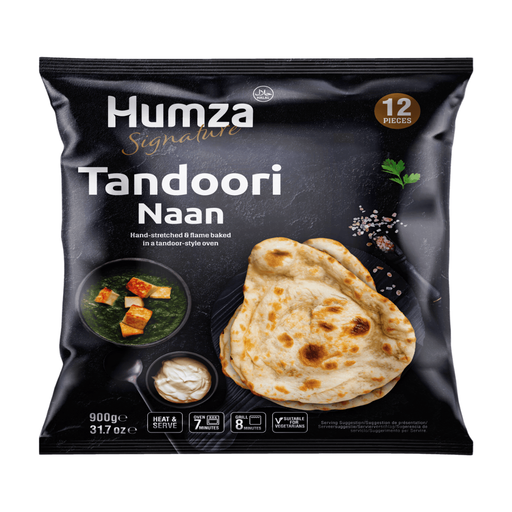 No image available
The four-piece pack may fit a smaller planned service quantity. Check the exact pack’s allergen, freezing and preparation instructions, and confirm any required slicing with the supplier.
No. The Tesco, Waitrose and M&S formats described here are standard or mini naans, not packs identified as medium-sliced loaves. Ask the supplier for the exact pack specification if slicing is essential to your portion plan.
No. IDDSI generally classifies bread as Level 7 regular, requiring biting and chewing; cutting it does not by itself establish another texture level. Follow the individual’s clinical recommendations and assess food at the intended serving condition.
Read the exact delivered pack’s ingredients and allergen declaration against the requirements of the person being served. The reviewed Waitrose plain naan listings identify cereals containing gluten, but an older online listing should not replace the current label.
Some products, including the listed Waitrose plain naan and M&S Mini Plain Naans, are marked as suitable for freezing. Follow the chosen pack’s own freezing, defrosting and use instructions rather than applying another product’s directions.