Everyday lunch packers
If naan will go into lunches on several days, consider how much the child eats and whether you can use the remaining bread within the pack’s instructions.


For a child who can eat wheat, choose a naan portion they are likely to finish, then check how the rest of the pack must be stored and used. If the child needs a gluten-free option, choose a specifically labelled product rather than assuming plain naan is suitable; check the physical pack and the school’s allergy arrangements before packing lunch.
If naan will go into lunches on several days, consider how much the child eats and whether you can use the remaining bread within the pack’s instructions.
Check the ingredients and allergen label for the intended child. Ordinary wheat naan and a specifically labelled gluten-free naan are different choices; the school’s arrangements matter too.
Compare mini naans with portions cut from a whole naan if a whole one is routinely left uneaten.
Start with the portion the child will eat, then check allergens and whether the bread and the completed lunch can be stored as needed.
| Priority | What to check | Your needs |
|---|---|---|
| Usable portions | Check the number of naans and pack weight. Compare a mini naan with the portion you would cut from a larger one. | I want to pack an amount that will be eaten, without opening more bread than I can use. |
| Allergens | Read the physical ingredients and allergen label. If gluten-free bread is needed, look for an explicitly labelled product and check the school’s arrangements. | Someone eating this lunch needs a naan that meets their dietary requirements. |
| Pack storage | Check whether the naan needs refrigeration and how soon an opened pack must be used. Follow any freezing directions on that pack. | If I pack lunches on different days, the remaining naan needs to fit our storage routine. |
| The whole lunch | Plan what will go with the bread. Food normally kept refrigerated needs to stay cool in the packed lunch, as Food Standards Scotland advises. | I want the naan to work with the filling and the rest of the lunch, not just fit in the lunchbox. |
The checked naans differ in weight and opened-pack instructions. Bread left over after packing lunches may not fit the pack’s stated use period.
Work out the portion you will pack, then follow that product’s storage and freezing directions.
The checked conventional plain naans contain wheat. Asda also lists a separate naan labelled gluten-free.
Check the physical pack against the child’s requirements and confirm the school’s allergy arrangements.
An ambient-storage naan does not change the storage needs of food placed inside it.
Plan storage for the completed lunch. Food normally kept in the fridge needs to stay cool, according to Food Standards Scotland.
A cool bag and cooling packs may be needed for a lunch containing chilled food.
Tesco lists a plain 260g two-pack that can be compared by the portion you intend to pack.
Asda lists both conventional plain naans and a separate Free From plain naan product.
Sainsbury's lists an Indian Plain Naan two-pack weighing 260g.
Waitrose lists a 220g plain naan product for cool, dry storage.
M&S lists a 282g mini plain naan product for shoppers considering smaller individual portions.
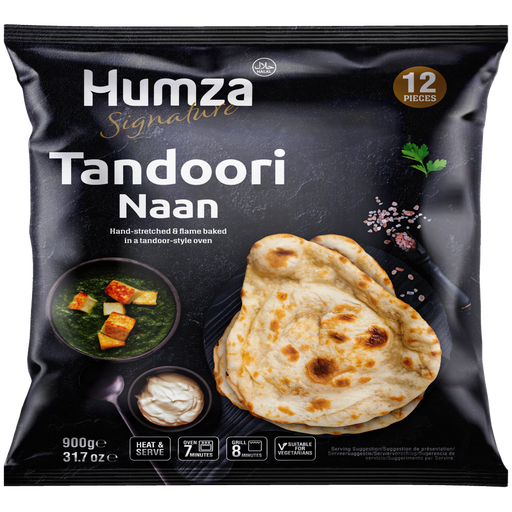
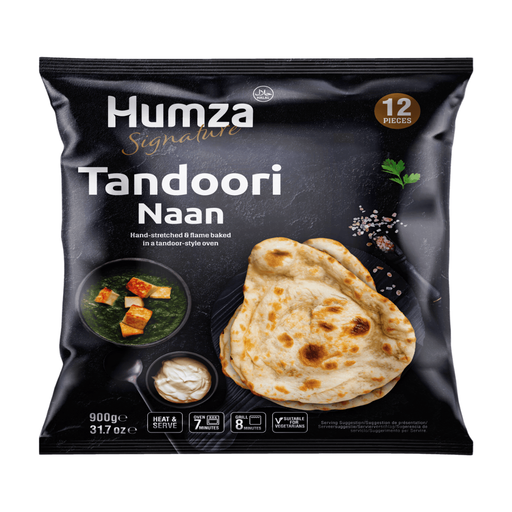
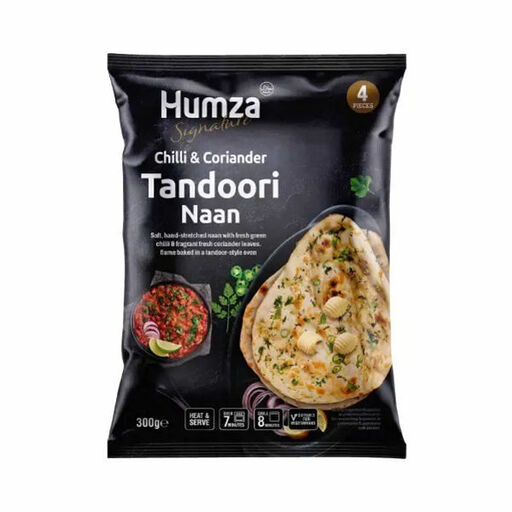
These Humza packs include plain naan in family and four-piece formats, plus a garlic and coriander four-piece option. Compare the portion you will pack and check each product’s label and storage directions.
 No image available
The 12-piece pack gives you portions to plan across several lunches. Check the pack’s opened-storage and freezing directions before spreading its use across the school week, and read its allergen label for the intended child.
 No image available
This four-piece plain pack may suit a shorter run of naan lunches. The Joybuy product information identifies wheat as an ingredient; check the physical allergen label and preparation directions before packing it.
 No image available
This four-piece pack has garlic and coriander flavour rather than the plain flavour of the other two options. Consider whether that flavour works with the planned filling, and check the physical allergen label and storage directions.
Treat naan as the bread component, not the whole lunch. NHS Healthier Families suggests building a lunchbox around a main item such as bread and including other suitable foods; choose what goes alongside it according to the child’s needs and the school’s arrangements.
Follow the preparation directions on the exact pack you choose. Do not assume that every naan has the same heating or ready-to-eat instructions.
Keep food that normally needs refrigeration cool in the completed lunch, using a cool bag and cooling packs where needed, as Food Standards Scotland advises. Follow the naan’s instructions separately: the checked Sainsbury's product requires refrigeration, while the checked Waitrose product specifies cool, dry storage.
Do not pack it for a child with relevant dietary restrictions until its suitability is clear. Read the physical ingredients and allergen label, and ask the retailer about a discrepancy rather than relying on an earlier listing.