Quick-meal student
A small ready-made pack avoids making dough. Check how you can heat the naan and how soon the pack must be used after opening.


For quick meals, ready-made plain naan avoids making dough, but check its ingredients if you want both white and wholemeal flour. If wholemeal flour is the priority, choose a product that lists it; if you specifically want a blend in naan, HEART UK publishes a recipe using both flours, although it takes preparation and rising time. Whichever route you take, check the individual pack for allergens, heating directions and storage after opening.
A small ready-made pack avoids making dough. Check how you can heat the naan and how soon the pack must be used after opening.
If both flours must be in the naan itself, read the ingredients rather than judging by colour. HEART UK publishes a naan recipe using white and wholemeal strong bread flour for a kitchen where making dough is practical.
If wholemeal naan would meet your needs without a blend, look for wholemeal flour in the ingredients. Compare any stated fibre figures on the same per-100g basis.
Decide whether the flour mix or the ease of preparation matters more, then check the details of the recipe or pack you intend to use.
Choose it when: you want naan to heat with a meal rather than dough to prepare.
Bear in mind: a plain-naan name does not establish a white–wholemeal blend; check the flour list and opened-pack directions.
Choose it when: wholemeal flour matters more than having both types of flour in one naan. Sounas lists a five-pack made with wholemeal flour.
Bear in mind: wholemeal naan is not the same flour mix as a white–wholemeal blend, and a five-pack needs to fit your storage plans.
Choose it when: both flours are essential and you can make dough. HEART UK’s naan recipe uses 150g white strong bread flour and 100g wholemeal strong bread flour.
Bear in mind: the HEART UK recipe calls for kneading and around an hour of rising, rather than simply heating a ready-made naan.
| Priority | What to check | Your needs |
|---|---|---|
| Flour mix | Read the named flours and the product type. HEART UK’s recipe specifies both flours; ASDA calls its flatbread containing white flour and 17% wholemeal wheat flour a chapatti, not a naan. | I want both flours in naan itself, rather than a wholly wholemeal product or a different flatbread. |
| Nutrition figures | Compare fibre and salt per 100g on the packs you are considering. Check per-naan figures separately, because naan and pack sizes differ. | Colour alone will not tell me what is in the naan; I want to compare the figures for the amount I might serve. |
| Preparation | Check the exact product’s heating directions against your equipment. For a homemade blend, allow for the recipe’s mixing, kneading and rising steps. | If my kitchen has limited equipment or I need a quick meal, I need a method I can actually use. |
| Pack and storage | Count the naans and read the date mark, opened-pack period and any freezing directions on that product. ASDA and Waitrose list short opened-pack periods for their plain naans. | Cooking for one, I want a pack I can use or store according to its own instructions. |
| Dietary suitability | Check ingredients and precautionary allergen information on the individual pack. ASDA’s separate Free From plain naan lists rice flour and starches rather than a white–wholemeal wheat blend. | If an allergen matters to me, I cannot rely on appearance or a vegan label: the Food Standards Agency cautions that vegan labelling alone is not a substitute for allergen information. |
ASDA lists a flatbread with white and 17% wholemeal wheat flour, but identifies it as chapatti. Its flour mix does not establish the ingredients or preparation of a naan.
If naan specifically matters, check the product type as well as the flour list. Otherwise, decide whether chapatti would work for the meal you have in mind.
A per-naan figure and a per-100g figure describe different amounts, especially when the naans differ in size.
Use per-100g figures to compare product composition, then check the figure for the portion you expect to eat.
ASDA and Waitrose give short opened-pack periods for their plain-naan two-packs, while Sounas lists five wholemeal naans in its pack.
Work out how many you will use and follow that pack’s date mark and any freezing and defrosting instructions.
These product lines illustrate different flour, pack and labelling checks; a brand name alone does not settle whether a particular naan meets them.
ASDA lists plain naan and a separate Free From plain naan, so check which product’s ingredients apply.
Sainsbury's lists a two-pack of plain naan as a ready-made option.
Waitrose lists two plain naans in a 220g pack.
M&S lists plain naans for shoppers considering a Foodhall purchase.
Sounas lists a five-pack of wholemeal naan for a flour-focused comparison.
These Humza options are ready-made plain or garlic-and-coriander naan. They suit a comparison of pack sizes and flavours, while the flour-mix question still calls for an ingredient check.
 No image available
A ready-made plain option when you do not want to make dough. The pack contains four pieces and weighs 300g; check its ingredients for your preferred flour mix and follow its heating and storage directions.
 No image available
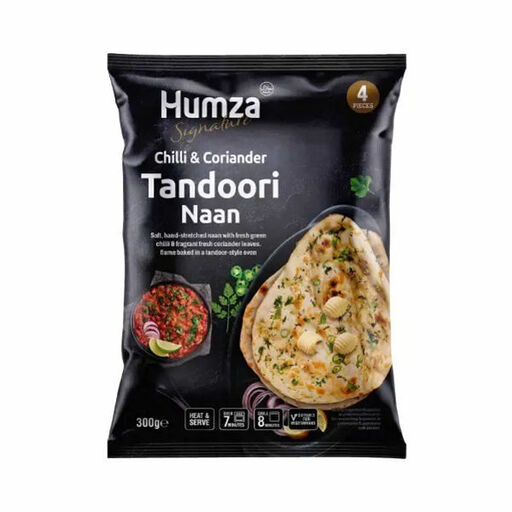
This ready-made four-piece, 300g pack offers garlic and coriander flavour rather than a plain naan. If the flour mix is the deciding factor, check its ingredients separately from the flavour description.
 No image available
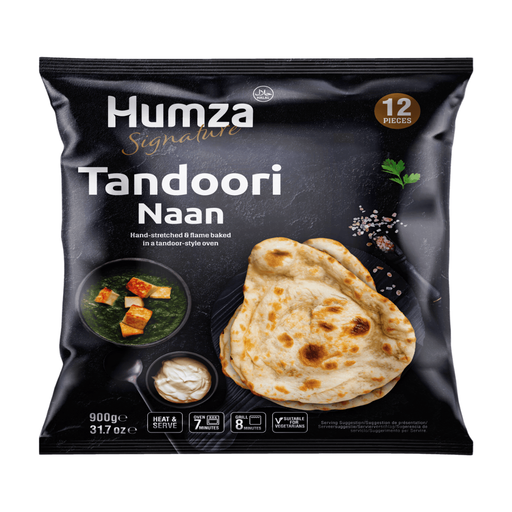
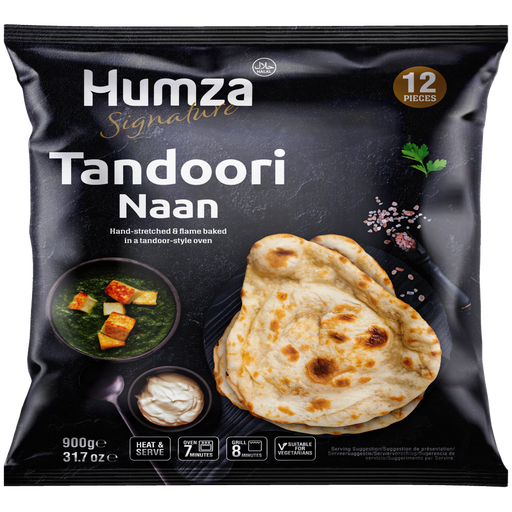
This ready-made plain family pack contains 12 pieces and weighs 900g. For a one-person kitchen, plan how you would use the pack and check its storage directions before choosing the larger quantity.
No conclusion about its flour follows from colour alone. Read the named flours in the ingredients: HEART UK’s mixed-flour naan recipe specifies both white and wholemeal flour, whereas a plain-naan name does not establish that blend.
Check the exact naan’s heating directions before buying it. ASDA’s plain-naan listing gives oven and grill methods, while its separate mixed-flour chapatti listing gives microwave directions; chapatti is a different flatbread.
Follow that pack’s opened-pack and storage instructions. ASDA says to consume its plain naan within 24 hours of opening, and Waitrose lists one day for its plain naan; use each product’s own freezing and defrosting directions rather than transferring instructions between brands.
No. The Food Standards Agency cautions that vegan labelling alone is not a substitute for allergen labelling. Check the ingredients and precautionary allergen information on the individual naan pack.
Check the delivered pack’s ingredients, allergens, date mark and storage directions before using it. Product information can change; if the item is not what you ordered, contact the seller about the order.