Breakfast-toast shoppers
If you want ready-cut slices to toast beside the rest of your full Scottish breakfast, look for a loaf explicitly labelled medium sliced rather than a flatbread.


If you want toast alongside a full Scottish breakfast, start with a medium-sliced loaf: choose white for straightforward sliced toast, or compare wholemeal loaves if fibre per slice matters to you. Choose naan when you deliberately want a warm flatbread instead. It is a different format, so check its heating and storage directions rather than treating it as a sliced loaf.
If you want ready-cut slices to toast beside the rest of your full Scottish breakfast, look for a loaf explicitly labelled medium sliced rather than a flatbread.
If you still want sliced toast but care about fibre, compare the nutrition information per slice on the particular wholemeal loaves you are considering.
If you want warm flatbread instead of toast, choose naan as a separate accompaniment and allow for the heating directions on its pack.
Decide whether you want sliced toast or a heated flatbread first; then compare labels and serving information within the format that suits your meal.
Choose it when: you want ready-cut slices to toast with breakfast.
Bear in mind: ingredients differ between loaves, so check the particular pack when an allergen matters.
Choose it when: you want toast-sized slices and prefer to compare wholemeal products by their stated fibre content.
Bear in mind: per-slice figures belong to specific loaves and need not describe another recipe or slice size.
Choose it when: a warm flatbread, rather than sliced toast, is what you want with the meal.
Bear in mind: naan is not medium sliced and may need heating before serving; follow the pack.
| Priority | What to check | Your needs |
|---|---|---|
| Bread format | Look for “medium sliced” on a loaf if you want ready-cut toast. For naan, check the number of flatbreads and the heating directions. | I want slices for toast, not a flatbread I need to prepare separately — or I would rather serve warm naan instead. |
| Fibre and portions | Sainsbury’s lists 2.6g fibre per slice for its medium-sliced wholemeal loaf; Waitrose lists 2.9g per slice for its Wholemeal Farmhouse Medium Sliced loaf. When comparing a loaf with naan, use the products’ per 100g figures rather than treating one slice and one naan as equal portions. | If I choose wholemeal toast, I want to compare the stated fibre per slice. Across different bread formats, I also need to account for how much I plan to serve. |
| Ingredients and allergens | Read the current pack’s ingredient and allergen information. The cited Asda medium-sliced white loaf declares wheat and soya; that declaration does not apply to every loaf. | When an ingredient must be avoided, I need to check the specific bread I will serve, not assume that similar-looking loaves have the same recipe. |
| Storage | Check the date mark, directions after opening and freezing instructions on the pack. The cited Asda loaf and Sainsbury’s two-piece naan have different storage directions. | I want an amount I can use or store as directed, particularly if breakfast will use only part of the pack. |
A medium-sliced loaf provides ready-cut pieces for toast; the cited naan is a separate flatbread with heating directions.
Decide which accompaniment you want before comparing products within that format.
Nutrition stated per cooked naan and nutrition stated per loaf slice describe different portions.
Use the products’ per 100g figures for a like-for-like nutrient comparison, then consider the amount you intend to serve.
Recipes and product information can change. The cited Asda white loaf declares wheat and soya, but its declaration cannot stand in for the label on another product.
Check the current pack whenever an ingredient or allergen matters.
The cited loaf and naan give different directions for keeping or freezing what remains.
Read the date mark and storage instructions before choosing a pack size you may not use at one meal.
These examples illustrate particular loaf and naan formats; their details should not be assumed to apply across a retailer’s entire bread range.
Tesco lists an 800g medium-sliced white loaf for everyday slices and toast.
The BAKERY at ASDA lists an 800g medium-sliced white loaf.
Sainsbury’s lists both an 800g medium-sliced wholemeal loaf and a separate two-piece plain naan pack.
Waitrose lists an 800g Wholemeal Farmhouse Medium Sliced loaf.
M&S lists an 800g Super Soft White medium-sliced loaf and a separate medium-sliced 70/30 white-and-wholemeal loaf.
Lidl names a Simply Medium Sliced Wholemeal Loaf on its bread-vote page.
These products are flatbread choices for serving alongside breakfast: two are naan, while the third is a paratha that requires a different preparation. None is a medium-sliced loaf for toast.
 No image available
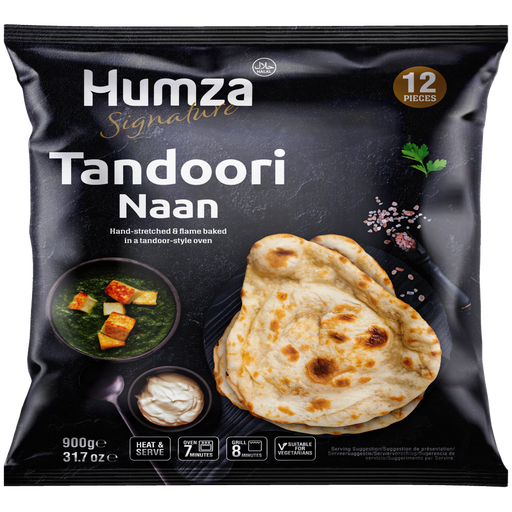
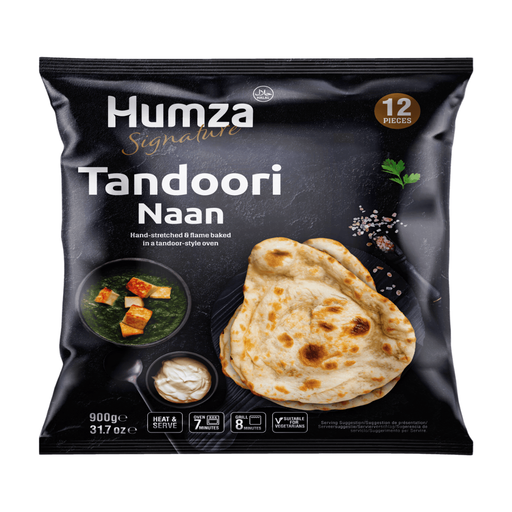
A naan option if you want flatbread rather than sliced toast with breakfast. The pack contains 12 pieces; check its heating, storage and allergen information before serving.
 No image available
A four-piece plain naan pack for a warm flatbread side instead of toast. It is not medium sliced; follow the pack’s heating instructions and check its current allergen label.
 No image available
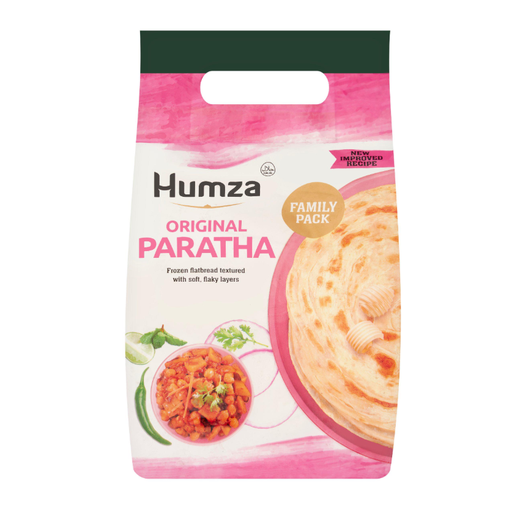
A different flatbread option if you want a paratha rather than naan or sliced toast. This is a frozen product to cook on a griddle; check its cooking directions and current allergen label.
No. A full Scottish breakfast does not have one fixed combination of items; the recipe described by Christina’s Cucina includes toast and potato scones. Naan is an alternative if you want flatbread rather than toast.
Toast a medium-sliced loaf if you want toast. For naan, follow the directions on the product you buy: Sainsbury’s gives oven or grill heating instructions for its two-piece plain naan and says to serve it warm.
Follow the directions on the purchased pack, because loaf and naan instructions differ. The cited Asda loaf permits freezing before its date mark and says to consume it within one month; the cited Sainsbury’s naan says to use it within one day of opening and provides separate freezing directions.
Food Standards Scotland explains that a use-by date concerns safety, while a best-before date concerns quality. Follow the pack’s storage directions and check bread marked best before for visible spoilage such as mould.
Check the current pack when an allergen matters, rather than relying only on an online description. Food Standards Scotland explains that food businesses must provide information about the 14 declarable allergens; an individual bread’s ingredients may change.