Hosts choosing a bread side
If you are serving dips or grilled fillings, consider whether you want naan to warm and tear. For sandwiches, a medium-sliced loaf provides ready-cut slices instead.


Choose naan if you want a flatbread to warm, tear or serve around grilled fillings; choose a medium-sliced loaf if you need ready-cut slices for sandwiches. For either option, check the piece count or loaf size, the pack’s preparation and storage directions, and its allergen information before serving.
If you are serving dips or grilled fillings, consider whether you want naan to warm and tear. For sandwiches, a medium-sliced loaf provides ready-cut slices instead.
Check each product’s current ingredient and precautionary information. A standard plain naan and one labelled free from specified allergens are different products; preparation and serving also need to avoid cross-contact.
Compare the number of pieces with your guest count, then check the selected pack’s heating, after-opening and freezing directions against your plans.
Decide how you will serve the bread before comparing pack sizes: naan and a medium-sliced loaf solve different serving tasks.
| Priority | What to check | Your needs |
|---|---|---|
| Serving format | Check whether the pack contains whole or mini naans, or a medium-sliced loaf. Asda and Sainsbury’s list these as distinct bread formats. | I want flatbread to serve warm with dips or fillings. If I am making sandwiches, pre-cut loaf slices fit the job instead. |
| Portions and preparation | Compare piece count and pack weight, particularly when choosing mini naans. Read the chosen naan’s oven or grill directions and allow time to follow them. | There needs to be enough bread for the people coming, with a heating method I can use while preparing the rest of the meal. |
| Allergens and cross-contact | Read the current pack’s ingredients and precautionary statements; assess any free-from label against the particular guest’s requirements. Keep bread and its serving equipment separate from raw meat, as advised by the Food Standards Agency and Food Standards Scotland. | If a guest has an allergy, I need to check their bread individually rather than assume that ‘plain’ describes its allergens. |
| Storage | Check the date mark and the selected pack’s after-opening and freezing directions. Asda says to consume its 2 Plain Naans within 24 hours of opening; that timing is specific to that product. | When buying ahead or expecting leftovers, I want a pack whose stated storage directions fit when I will use it. |
The identified naan products are whole or mini flatbreads, while the identified medium-sliced products are loaves. The serving format could therefore be wrong for your planned food.
Choose the format first: flatbread to warm and serve, or pre-cut loaf slices for sandwiches.
Sainsbury’s Plain Naan contains wheat and carries a milk-allergy warning related to manufacturing methods. Asda’s Free From Plain Naans carry different, specified exclusions; neither product represents every naan.
Check the current pack against each guest’s requirements, and use separate preparation and serving equipment where cross-contact is a concern.
Piece counts and after-opening directions differ between products, so a pack that suits the guest count may not suit the timing of the BBQ or planned leftovers.
Check the piece count, date mark, after-opening period and freezing directions on the pack you choose.
These product and category listings show formats worth distinguishing; a retailer’s range does not establish the ingredients or instructions for every bread it sells.
Asda lists a standard plain naan, a separately labelled Free From plain naan and a medium-sliced white loaf.
Tesco’s naan category lists plain, mini and flavoured packs, including own-label and other brands.
Sainsbury’s lists both Plain Naan x 2 and a separate medium-sliced white loaf.
M&S lists plain, mini and flavoured naan options in its food range.
Waitrose lists a 220 g pack containing two Plain Naans with kalonji seeds.
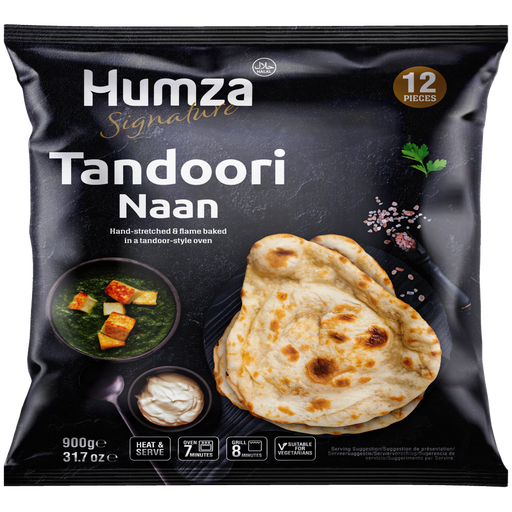
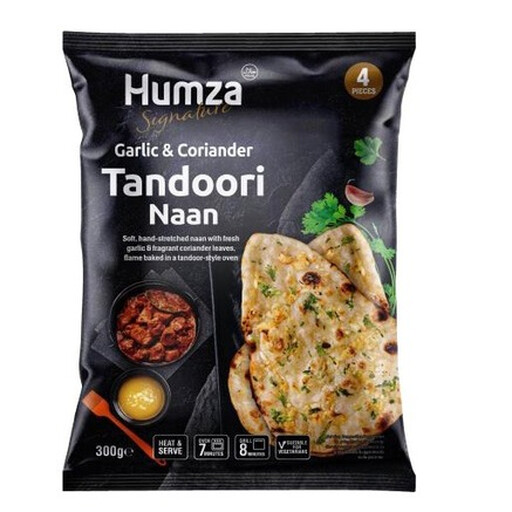
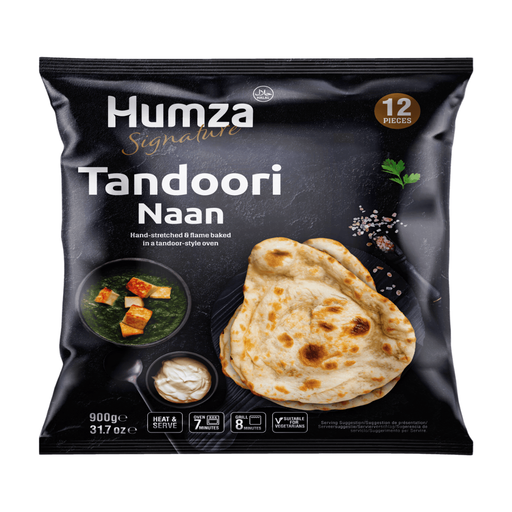
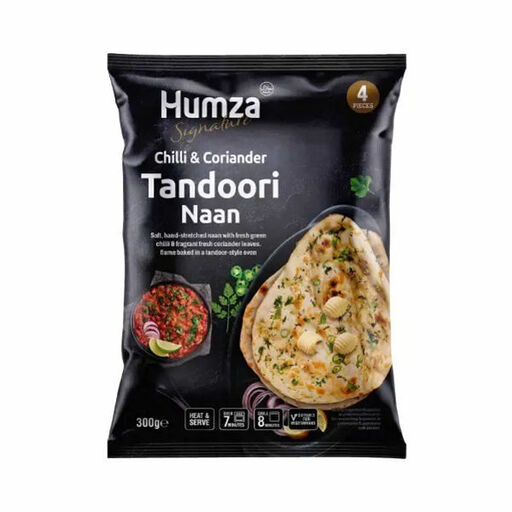
These Humza packs cover plain and garlic-and-coriander naan in four-piece and 12-piece formats. They are flatbread options for a BBQ side or fillings, rather than medium-sliced sandwich loaves.
 No image available
For a gathering where you plan to serve plain naan, compare this 12-piece, 900g pack with the number of portions you need. Check the pack’s allergen, heating and storage directions before serving.
 No image available
Choose this 12-piece pack if garlic-and-coriander naan fits the food you intend to serve and the piece count fits your group. Check the current pack for allergens, preparation and storage directions.
 No image available
The four-piece plain pack is an option when you need fewer naans than a 12-piece pack. Joybuy’s product description suggests using it around kebabs or grilled vegetables and gives grill directions of 1–2 minutes until lightly toasted; follow the directions on the pack you receive.
 No image available
This four-piece pack offers the garlic-and-coriander flavour without choosing a 12-piece pack. Check that the flavour suits your menu, and read the current pack’s allergen, heating and storage directions.
Do not assume that it can. The Asda and Sainsbury’s plain-naan listings give oven or grill methods, so follow the directions on the product you buy rather than substituting a barbecue method. The Food Standards Agency and Food Standards Scotland advise keeping utensils used for raw meat separate from ready-to-eat food.
Yes, if the selected pack’s date and storage directions cover when you intend to serve it. Asda directs shoppers to consume its 2 Plain Naans within 24 hours of opening and says they are suitable for freezing; M&S gives its Plain Naans a separate after-opening direction. Check the instructions for the pack you choose.
No. Sainsbury’s Plain Naan contains wheat and carries a warning for customers with a milk allergy because of manufacturing methods. Asda’s separately labelled Free From Plain Naans state exclusions for gluten, milk and egg. Check the current pack against the particular guest’s requirements.
Check the current pack’s ingredient and precautionary information, or ask for the relevant information when bread is sold without a pack. Food Standards Agency guidance for England, Northern Ireland and Wales and separate Food Standards Scotland guidance explain that food businesses must provide allergen information for prepacked and non-prepacked food; how it is provided depends on how the food is packaged and presented.