
24/7 Customer Support

Free returns

Same-day & Next-day Delivery

Quality Guaranteed

Unlock Your Welcome Offers: FREE Delivery | Up to 80% OFF | Free 30-day JoyPlus trial
Download the APP
Setting up a nursery is an exciting time, but choosing the right equipment can feel overwhelming. A dedicated nappy changing station seems like a straightforward purchase, yet many parents find their initial choice becomes a source of frustration. From bulky furniture that quickly becomes obsolete to materials that are impossible to keep clean, it is easy to make a decision you later regret.
As a Joybuy Product Recommendation Officer, my role is to help you navigate these choices. This guide cuts through the clutter to focus on the practical realities of daily nappy changes, helping you find a solution that is safe, convenient and fits your home and lifestyle.
Before looking at products, it is crucial to understand the common traps that lead to buyer's remorse. Being aware of these can save you both money and hassle.
To make a smart choice, focus on these three core factors. They determine the safety, usability and long-term value of your changing setup.
The surface your baby lies on is paramount. Look for materials that are both comfortable and hygienic.
Consider where and how you will be changing nappies most often.
A good changing station should be comfortable for you as well as the baby. A station that is too low will cause back strain over the hundreds of changes you will be doing. Look for a baby changing table that is at a comfortable height for you and your partner. Some models even offer adjustable height settings. Also, consider if the item has a life beyond nappy changes. A simple mat can be used for tummy time, while a sturdy chest of drawers with a mat on top can be used for years to come.
Instead of a one-size-fits-all approach, we have matched different changing solutions to specific parental needs and lifestyles.
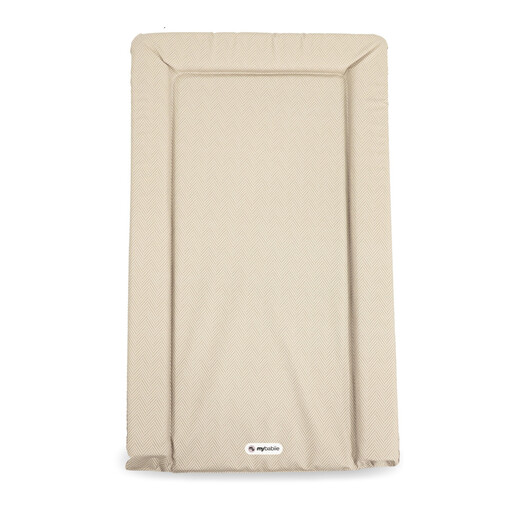
Why This Fits Their Persona: This profile wants a nursery that looks put-together without sacrificing practicality. This mat's sophisticated herringbone pattern complements modern decor, while its simple design can be placed on any flat surface, from a dedicated table to a chest of drawers.
It directly counters the pattern-over-practicality mistake. The stylish design is paired with a fully waterproof and wipe-clean PVC surface, ensuring messes are handled in seconds.
Features raised, padded sides for safety and is made from soft, comfortable foam. It offers a high-end look at an accessible price point.
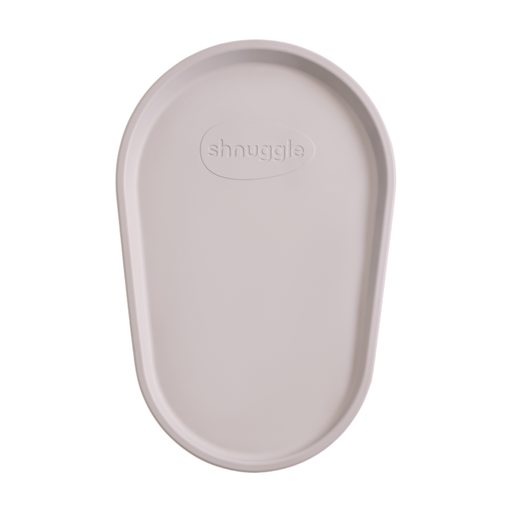
Why This Fits Their Persona: This parent prioritises the baby's comfort and is willing to invest in features that make daily tasks easier. The warm-touch foam and gentle incline are designed to keep the baby calm and settled.
It elevates the concept of a changing mat beyond basic function. Instead of just being a waterproof surface, its material and design actively contribute to the baby's comfort, justifying its premium position.
The premium PU foam is warm to the touch, avoiding the cold shock of typical mats. It also features a gentle incline, which is designed to help ease colic and reflux.

Why This Fits Their Persona: Ideal for parents in flats or smaller homes where every square foot counts. This unit combines a changing area, a concealed baby bath and ample storage into one mobile station, saving space and keeping essentials organised.
It sidesteps the "forever furniture" fallacy by being a highly functional, mobile utility station rather than a permanent fixture. Lockable castors and a drainage tube address common frustrations with combined units.
This changing unit with bath is designed for an ergonomic height to reduce back strain. It complies with safety standard BS EN 12221-1:2008+A1:2013 and includes multiple storage trays.
We have compiled a complete, real-time list of products that fully satisfy these strict selection criteria and UK safety regulations.
Not necessarily. A dedicated table's main advantages are its ergonomic height, which saves your back and its integrated storage. However, a portable changing mat placed on a secure, flat surface like the floor or a sturdy, wide chest of drawers is a perfectly safe and effective alternative that saves space and money.
Most parents use a changing station from birth until their child is potty-trained, typically around 2 to 3 years of age. The intensive use period is usually the first 18 months. This is why it is important to consider the product's longevity—will it become useless afterwards, or can it be repurposed?
Safety is the number one priority. Always use the changing surface on a flat, stable base. Most importantly, never leave your baby unattended, not even for a split second. Always keep at least one hand on your baby during the change. Regularly inspect the equipment for any signs of wear or damage and discontinue use if it is compromised.