
24/7 Customer Support

Free returns

Same-day & Next-day Delivery

Quality Guaranteed

Unlock Your Welcome Offers: FREE Delivery | Up to 80% OFF | Free 30-day JoyPlus trial
Download the APP
Navigating the world of nappies can feel like a full-time job, especially as your child grows. When you reach the stage of needing nappy pants size 6, you're often dealing with a very active toddler, starting potty training or looking for reliable overnight solutions. It’s easy to get caught out by marketing claims that don’t hold up to the reality of daily life. As the Joybuy Product Recommendation Officer, my role is to help you sidestep the common traps and find a product that genuinely works for your family.
Before you add another pack to your basket, let’s look at the three most common pitfalls that lead to wasted money and frustration:
To make a confident choice, focus on these key parameters rather than just the marketing slogans. These are the non-negotiable features that determine performance.
For a wriggly, active child, a secure fit is paramount. Look for pull up nappies with a 360° stretchy waistband. This design adapts to your child’s body as they move, bend and climb, preventing the gaps that cause leaks. Also, check for soft but effective anti-leak leg cuffs. These should create a gentle seal around the legs without digging in, providing a crucial second line of defence. A good fit means comfort for your child and peace of mind for you.
Not all absorbent cores are created equal. For daytime use, a core with channel technology is beneficial as it distributes wetness evenly to prevent the dreaded "nappy sag." For overnight, you need more. Look for dedicated night time pants for bedwetting, which often feature a reinforced, extra-absorbent core positioned for maximum protection while lying down. Similarly, disposable training pants may have a unique "learning layer" that allows the child to feel wetness for a moment, an important feature for potty training that standard nappies lack.
To ensure a product is suitable for delicate skin, look for objective proof. A dermatologically tested label is a good start, but certifications like Standard 100 by OEKO-TEX are more rigorous, as they test the final product for a wide range of harmful substances. For parents interested in eco-friendly nappies, materials like organic bamboo are not only sustainable but also naturally hypoallergenic and breathable. Always check the ingredients list for potential irritants like perfume allergens.
Based on these practical criteria, here are some nappy pant options that are well-suited to specific needs and help you avoid the common purchasing traps.
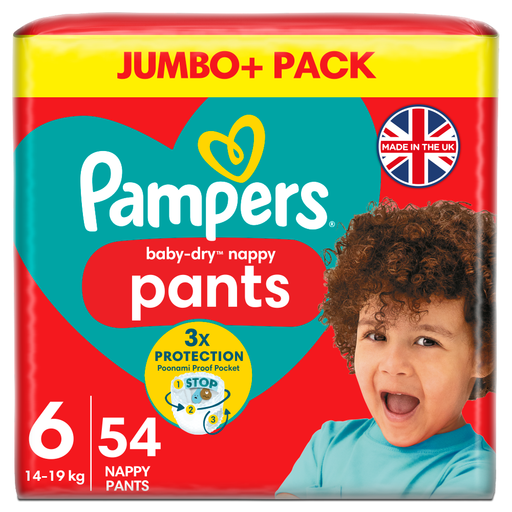
Why This Fits Their Persona: These pants are designed for children who are constantly on the move. The pull-on design and tear-away sides make changes quick and easy, even with a wriggly toddler who has no time to lie down.
It directly counters the "weight guide" trap. The snug, stretchy waistband and leg cuffs adapt to a child's unique shape, providing a secure fit that prevents leaks caused by running, jumping and climbing.
Features a highly absorbent core for reliable dryness and soft, flexible materials that allow for total freedom of movement without compromising on leak protection.
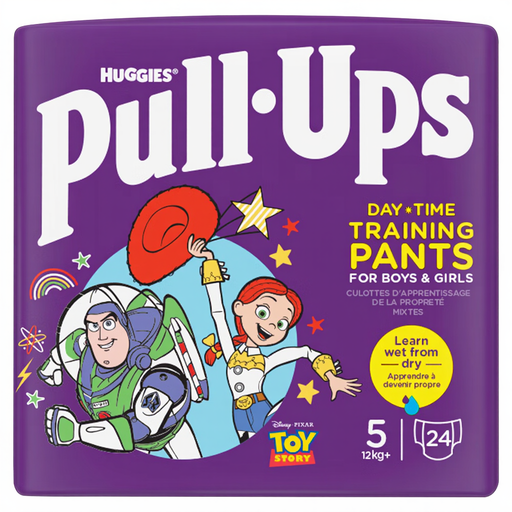
Why This Fits Their Persona: These are not just nappies; they are a training tool. The design encourages independence, allowing toddlers to pull them up and down like real underwear, which is a key part of the potty training process.
This product avoids the "one-type-of-absorbency" trap. Its unique learning layer is specifically designed to help a child recognise the feeling of wetness, a function that standard, high-absorbency nappies prevent.
Features a learning layer to aid training and fun Disney graphics that fade when wet, providing a clear and motivating visual cue for both parent and child.
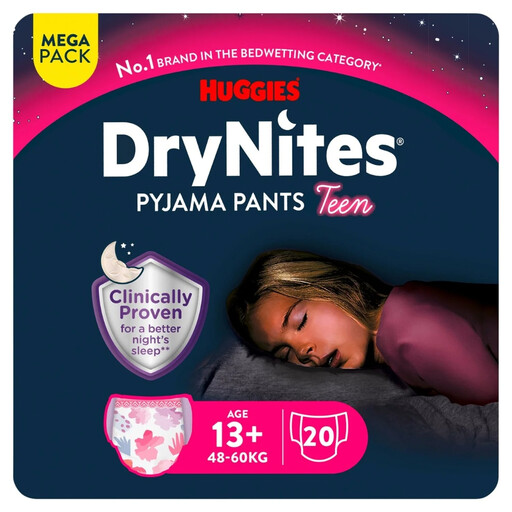
Why This Fits Their Persona: These are specifically designed as **pyjama pants for girls** and older children, not toddlers. The design is discreet, quiet and comfortable, helping to reduce anxiety around bedwetting and protect self-esteem.
It demolishes the "all-day dryness" illusion by being a purpose-built nighttime product. Its 5-layer protection system is engineered for hours of horizontal use, far exceeding the demands of a typical daytime nappy pant.
Offers gender-specific zoned absorbency for targeted protection where it's needed most. The quiet, breathable materials feel more like underwear than a nappy.
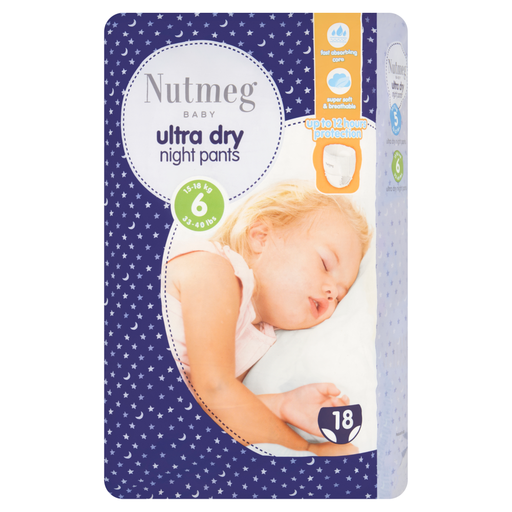
Why This Fits Their Persona: For parents prioritising sustainability, this product stands out. It uses organic bamboo and comes in paper packaging, significantly reducing plastic waste and the overall environmental footprint.
It sidesteps the vague "sensitive skin" promise by using a naturally hypoallergenic material (organic bamboo) and being made with significantly fewer chemicals than many standard disposables, offering a tangible benefit.
Over 78% biodegradable, including the packaging. The pulp is PEFC Certified from sustainably managed forests, and the bamboo is grown without pesticides.
We have compiled a complete, real-time list of products that fully satisfy these strict selection criteria and UK safety regulations.
While there is often an overlap in the weight recommendations, the main difference lies in the fit and capacity. Nappy pants size 6 are generally designed with a larger chassis and higher rise to provide better coverage for taller, more mobile toddlers. They also typically have a higher absorbent capacity to handle the larger bladder output of an older child. If you find that training pants size 5 are becoming too snug or are starting to leak, it's a clear sign to move up to size 6.
You can, but it may not be the most effective solution. While many standard toddler pull ups offer up to 12 hours of protection, they are primarily designed for daytime activity. Dedicated night time pants for bedwetting are engineered with extra absorbency, often concentrated in specific zones where it's needed most when a child is lying down. They also tend to have a more discreet, underwear-like fit, which can be important for an older child's comfort and confidence.
Look for signs of readiness in your child. This can include staying dry for longer periods, showing curiosity about the toilet or telling you when they need to go. Disposable training pants are an excellent tool for this transition. Unlike regular nappies, many are designed with features like a brief feeling of wetness or fading graphics to help your child make the connection between the sensation and the need to use the potty, making the learning process more intuitive.