
24/7 Customer Support

Free returns

Same-day & Next-day Delivery

Quality Guaranteed

Unlock Your Welcome Offers: FREE Delivery | Up to 80% OFF | Free 30-day JoyPlus trial
Download the APP
As a parent or carer in the UK, navigating the world of nappies can feel like a full-time job. Once your little one starts to wriggle, crawl and walk, traditional tabbed nappies can turn changing time into a wrestling match. This is where nappy pants come in, offering a convenient pull-up design. However, the market is flooded with options, and it's easy to fall into common traps that lead to leaks, discomfort and wasted money.
My role as Joybuy's Product Recommendation Officer is to help you see past the marketing jargon. Let's look at the real-world pitfalls to avoid and what truly matters when selecting the right pair.
To avoid these issues, focus on a few key parameters. These are the non-negotiable features that determine a nappy pant's performance.
The heart of any disposable nappy is its absorbent core, which typically uses Super Absorbent Polymer (SAP). This material turns liquid into a gel, locking it away from your child's skin. When comparing products, look for clear statements about absorbency duration (e.g., "up to 12 hours of dryness"). For those with environmental concerns, some brands now offer eco-friendly nappies with cores made from materials like sustainably sourced bamboo fluff, providing an alternative without compromising on performance.
A great fit is the key to preventing leaks. Look for these two features:
A child's skin is delicate. To minimise the risk of irritation, look for nappies for sensitive skin. Key indicators of a skin-friendly product include being dermatologically tested and free from the 26 EU-regulated perfume allergens. Certifications like OEKO-TEX Standard 100 also provide assurance that the materials have been tested for harmful substances.
Based on these practical criteria, here are a few recommendations matched to specific needs.
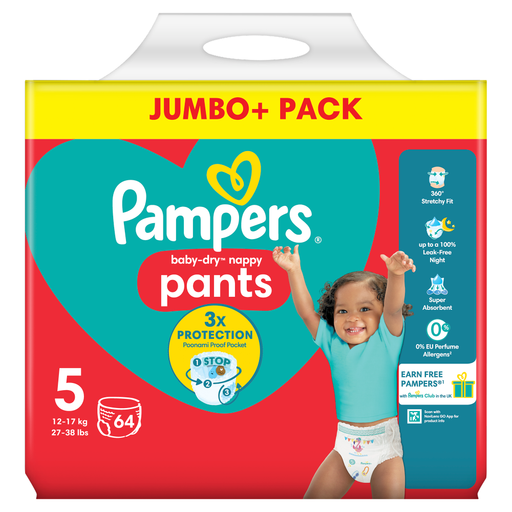
Why This Fits Their Persona: Ideal for parents of toddlers who are constantly on the move. The pull-on design makes for quick changes, while the focus on a secure fit helps prevent leaks during crawling, climbing and running.
This pant directly counters the "perfect fit" illusion. Its 360° Comfort Fit waistband and double leg cuffs are specifically designed to adapt to a wriggly baby’s body, providing a reliable seal where other pants might gap.
The Stop & Protect pocket at the back offers an extra line of defence against leaks, a practical feature that provides genuine peace of mind. It is also dermatologically tested and free from EU perfume allergens.
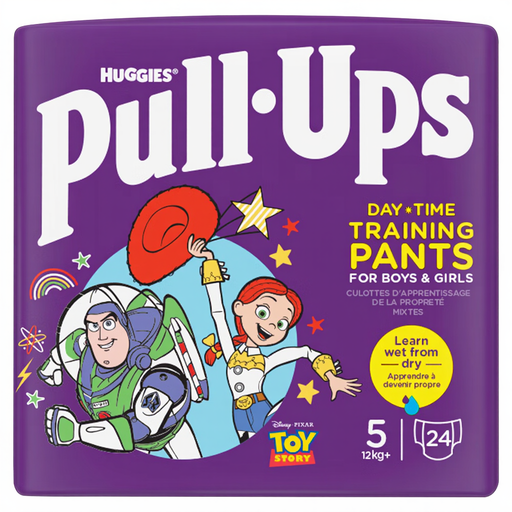
Why This Fits Their Persona: Specifically for families actively engaged in potty training. These are not just pull-up nappies; they are a tool designed to help a child learn the connection between feeling wet and needing the toilet.
It avoids the "paying for vague tech" trap by offering a clear, functional benefit. The unique learning layer briefly mimics the feeling of wet underwear, providing a tangible learning experience that standard potty training pants lack.
The Disney graphics that fade when wet serve as a simple visual cue for both parent and child, turning a routine check into a motivational moment. The easy-tear sides also make for quick changes.
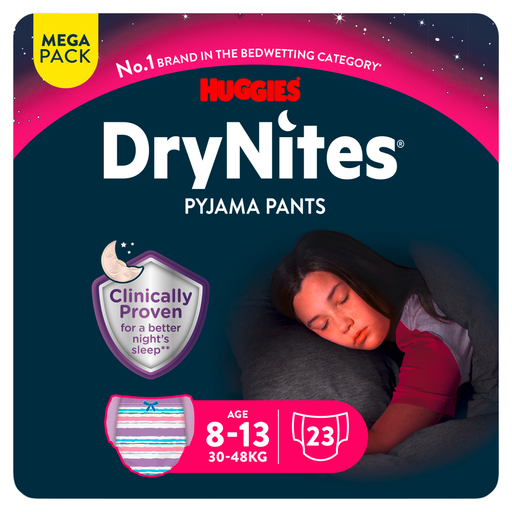
Why This Fits Their Persona: For parents of older children (8-15 years) managing nighttime bedwetting. Discretion, comfort and high absorbency are the priorities, helping to build a child's confidence and ensure an undisturbed night's sleep.
This product clarifies the "Day vs. Night" dilemma. For older children, standard disposable nappies are often not absorbent or discreet enough. These specialised bedwetting pants are a necessary and effective solution for this specific age group.
The design looks and feels more like underwear than a nappy, which is crucial for an older child's self-esteem. The gender-specific zoned absorbency provides targeted protection where it's needed most.
We have compiled a complete, real-time list of products that fully satisfy these strict selection criteria and UK safety regulations.
The most common time to switch is when your baby becomes more active during changes, typically between 6 and 12 months. If they start rolling over or crawling away, the pull-on style of nappy pants can make the process much quicker and less of a struggle.
Prioritise fit over the weight guide on the package. If you're experiencing frequent leaks, especially around the legs, try the smaller of the two sizes for a snugger fit. Conversely, if you notice red marks on your child's skin around the waist or thighs, the pants are too tight, and you should size up. Buying a smaller pack to test a new size is always a sensible approach.
In most cases, the cost-per-pant is lower when you buy a jumbo pack nappies. This can lead to significant savings over time. However, it's wise to only commit to a bulk purchase once you are confident that the brand and size are a perfect match for your child. This avoids being left with a large supply of pants that don't fit or cause irritation.