
24/7 Customer Support

Free returns

Same-day & Next-day Delivery

Quality Guaranteed

Unlock Your Welcome Offers: FREE Delivery | Up to 80% OFF | Free 30-day JoyPlus trial
Download the APP
As a new parent or caregiver, keeping your baby comfortable is a top priority. One of the most common concerns is nappy rash, an irritation that can cause significant discomfort for your little one. The market is filled with creams, ointments and balms, all promising to protect delicate skin. However, navigating the claims and ingredients can be confusing. This guide will help you understand what truly matters in a nappy rash ointment and how to avoid common purchasing mistakes.
Many well-intentioned parents fall into a few common traps, often influenced by clever marketing rather than product suitability.
To make an informed choice, focus on these key parameters that define an effective and gentle newborn nappy cream.
The primary function of a nappy cream is to form a barrier between your baby's skin and the irritants in a wet nappy (urine and faeces) and to reduce friction. An ideal barrier should be protective yet breathable. Look for ingredients that support this function.
A good ointment should create a transparent or thin film, proving it doesn't need to be thick and pasty to be effective.
A baby's skin, particularly a newborn's, is incredibly delicate and permeable. A suitable sensitive skin nappy ointment should have a simple, pure formula. Always check the label for products that are explicitly free from:
These additives offer no benefit for nappy rash prevention and increase the risk of irritation or allergic reactions. The shorter and simpler the ingredient list, the better.
Based on these practical criteria, here are some recommended products matched to different parental needs.
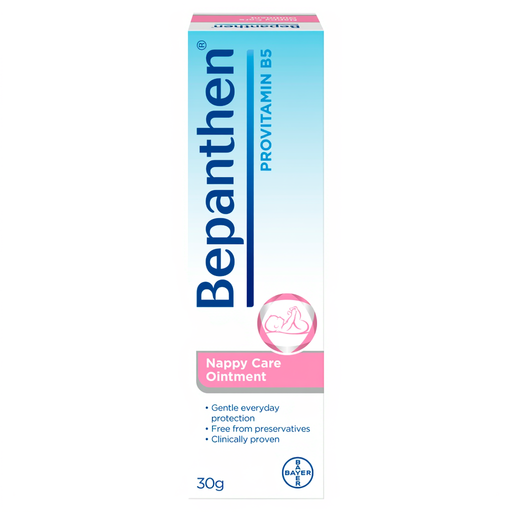
Why This Fits Their Persona: Ideal for parents seeking a reliable, gentle ointment for daily nappy rash prevention from birth. The 30g tube is perfectly sized for the changing bag, ensuring protection is always on hand when out and about.
It forms a transparent, breathable barrier, countering the myth that a thick paste is needed. It is specifically formulated for everyday prevention, avoiding the use of overly harsh ingredients.
Contains Pro-vitamin B5 to aid the skin's natural recovery. The formula is free from fragrances, colours and preservatives, making it suitable for the most delicate newborn skin.

Why This Fits Their Persona: For families who have found what works and want a more economical option for the changing table at home. This larger tube offers better value for money for frequent, daily use.
This is a trusted, gentle formula for both protection and care of skin with nappy rash. It avoids the trap of using a separate, potentially harsh product at the first sign of redness.
The 100g tube provides excellent value and convenience for home use. Its formulation supports the skin's natural recovery and seals in moisture to aid healing.

Why This Fits Their Persona: A great choice for parents who are specifically looking for a lanolin-free formula, either due to a known sensitivity, an allergy in the family or a personal preference for vegan-friendly products.
This product directly counters the "all-natural is always best" trap by offering a formula free from lanolin, a common natural ingredient that can be an allergen for some.
The formula is explicitly lanolin-free, fragrance-free and colour-free. It is also suitable for vegans and can be used for daily protection from birth.
We have compiled a complete, real-time list of products that fully satisfy these strict selection criteria and UK safety regulations.
For effective nappy rash prevention, it is advisable to apply a thin layer of a gentle barrier ointment to clean, dry skin at every nappy change. This is particularly important for the last change before bedtime, as the nappy will likely be on for a longer period overnight.
Yes, many gentle barrier ointments, such as those containing Pro-vitamin B5, are designed to both protect healthy skin and help soothe the initial signs of redness and irritation. They support the skin's natural healing processes. However, if a rash is persistent, weeping or seems to be causing significant pain, it is always best to consult a pharmacist or GP.
Not necessarily. The goal is an effective barrier, not a thick paste. A very thick cream can be difficult to apply and remove and may trap moisture against the skin. A good quality ointment will form a long-lasting, transparent and breathable layer that protects the skin without clogging it.