What matters when choosing one?
Work out what a complete episode project occupies, then size the working archive and its separate backup before deciding whether two bays leave enough room to grow.
| Concern | What to check | Who this matters to |
|---|
| Independent recovery |
Check separate backup destinations, access controls for the backup and whether you can restore a complete project folder. |
If I cannot recreate an episode master, I need a recoverable copy beyond the mirrored drives; around 33% of consumers put independent recovery first. |
| Room for archive growth |
Measure representative project folders and projected growth; calculate usable NAS capacity and backup capacity separately. |
Keeping multitrack sessions or video assets makes an early move to a larger NAS disruptive; for around 27% of consumers, growth capacity is the primary concern. |
| Shared-access speed |
Compare NAS Ethernet ports with the computers and network equipment that will carry frequent transfers. |
When my team regularly passes large source folders between editors, waiting for transfers affects the workflow; around 20% of consumers prioritise shared access. |
| Manageable home setup |
Confirm drive contents, backup arrangements and published noise and power figures under the maker’s test conditions. |
I want an archive I can maintain near my workspace without buying features my workflow will not use; straightforward setup comes first for around 20% of consumers. |
Joybuy products for podcast archives
These NAS enclosures span a compact two-bay archive and larger units for growing libraries or shared production files. For any of them, plan the independent backup separately.
 No image available
Synology DS425+ four-bay NAS
Consider this four-bay model if a growing episode library calls for more drive positions. Check the exact compatible drives and whether the selected bundle includes them; arrange and test a separate backup.
View on Joybuy
 No image available
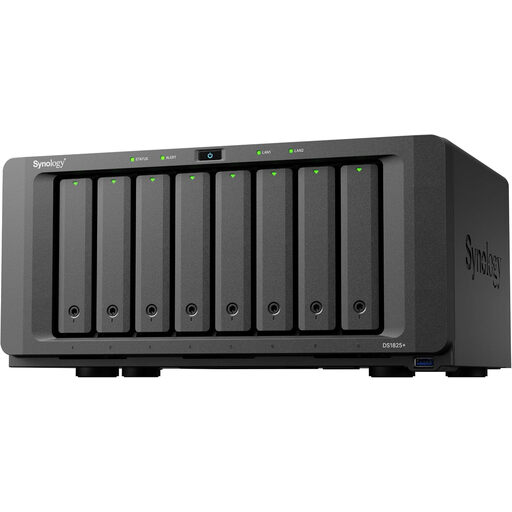
Synology DS1825+ eight-bay diskless NAS
The eight-bay format is worth considering for an unusually large or expanding production archive. This diskless listing requires separate drives; confirm their compatibility and the networking equipment needed for your intended setup. Maintain a separate backup.
View on Joybuy
 No image available
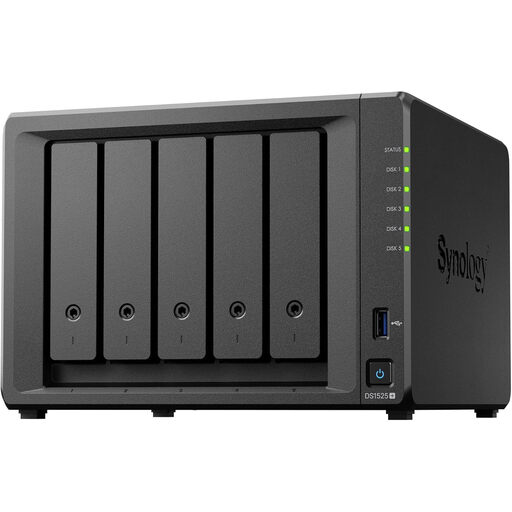
Synology DS1525+ five-bay diskless NAS
Five bays may suit a growing library shared by several editors. The listing identifies this model as diskless, so check drive compatibility and usable capacity; confirm the network hardware needed before relying on its advertised 10-Gigabit readiness. Keep an independent backup.
View on Joybuy
 No image available
Synology DiskStation DS925+ four-bay NAS
The four-bay format is relevant if you expect a two-drive archive to become restrictive. Confirm the exact supported drives and expansion hardware, as the product descriptions conflict on these details; also check bundle contents. Any benefit from the listed dual 2.5GbE ports depends on the rest of your network.
View on Joybuy
 No image available
Synology DS225+ two-bay diskless NAS
This two-bay model may fit a smaller archive if its planned usable capacity is sufficient. The listing identifies it as diskless, so select compatible drives separately. Its advertised backup features still require you to configure and test an independent copy.
View on Joybuy
Frequently asked questions
Is a two-bay mirrored NAS enough for podcast episodes?
A two-bay mirror can suit an archive that fits its usable capacity, provided you also keep an independent backup. Mirroring alone cannot recover files from every deletion, ransomware incident or loss of the enclosure; test that your separate copy can restore a complete project.
Should I choose NAS-oriented hard drives?
For a NAS using multiple drives, start with the enclosure maker’s compatibility list and check the exact drive model and capacity. Seagate describes its IronWolf range as CMR-based and intended for multi-user NAS environments, but the range name does not establish compatibility with a particular enclosure.
Will 2.5GbE help with an episode archive?
Prioritise 2.5GbE if your team frequently moves large source folders and the computers and network path can support it; occasional retrieval may not call for faster networking. QNAP specifies two 2.5GbE ports on the TS-264, but those ports cannot make a 1GbE connection elsewhere in the path faster.
What if archived recordings contain guests’ personal data?
If the recordings contain personal data and UK GDPR applies to your processing, choose security measures appropriate to the risk and set a justifiable retention process. The Information Commissioner’s Office says personal data should not be kept longer than needed; consider role-based access, encryption where appropriate and a tested means of restoring files.
What ongoing checks does a NAS archive need?
Review access permissions and updates, confirm that independent backups are completing, and periodically restore a real episode folder. The National Cyber Security Centre recommends isolating backup solutions as far as reasonably practical and protecting them with separate administrative credentials.


