
24/7 Customer Support

Free returns

Same-day & Next-day Delivery

Quality Guaranteed

Unlock Your Welcome Offers: FREE Delivery | Up to 80% OFF | Free 30-day JoyPlus trial
Download the APP
Choosing suitable nasal care products can be harder than it appears. A nasal spray for a cold is not interchangeable with a product for allergies, while a baby nasal aspirator requires very different safety considerations from an adult nose hair trimmer.
Marketing language can also make simple products seem more complicated than they are. Before buying, focus on the intended use, age suitability, materials, cleaning requirements and limits on use. This helps households avoid spending money on a product that does not match their needs.
A nasal decongestant spray containing an active ingredient such as xylometazoline is designed for temporary relief from a blocked nose. It is different from a barrier-style cold and flu nasal spray, which may be intended for use at the first signs of a cold.
Saline sprays, decongestant sprays and cold virus blocker sprays serve different purposes. Always check the active ingredients, age guidance and maximum duration. For example, the supplied information for xylometazoline spray states that it should not be used continuously for more than seven days because prolonged use may contribute to rebound congestion.
High suction figures on an electric nasal aspirator may attract attention, but babies need gentle, controlled use rather than maximum power by default. Adjustable levels, soft silicone tips and easy cleaning are more useful purchasing criteria than a headline suction number alone.
For manual products, a controlled mouthpiece and disposable filter can help parents manage suction while keeping mucus contained. Neither type should be inserted deeply into a baby’s nostril.
A product that is awkward to wash, recharge or replace may become inconvenient after a few uses. Check whether aspirator parts can be removed, whether filters need replacing after each use, and whether a trimmer is washable only at the head or across the whole device.
For adhesive nasal strips, skin preparation matters. Sweat, oil and moisturiser can reduce adhesion, while sensitive or damaged skin may react to medical-grade adhesive. Facial tissues for sensitive noses should also be soft enough for frequent use during colds or allergy season.
Start with the problem you are trying to solve:
Age limits are particularly important. The supplied information for the Vicks First Defence spray and Sudafed spray states that both are for adults and children aged 12 and over. They should not be selected for younger children.
For infants, look for soft silicone tips, smooth edges and a shape designed for small nostrils. A filter system is useful for manual suction products, but filters are consumables and should be included in the running-cost calculation.
For nasal strips, check the stated adhesive type and application area. They should be placed across the nose above the nostrils, not over broken, irritated or sunburnt skin.
For trimmers, rounded stainless-steel cutting heads can offer a practical balance between durability and controlled trimming. Waterproof ratings such as IPX7 describe resistance to temporary immersion under specified test conditions; they do not mean every charging port can be used while wet.
A low purchase price may not represent the lowest long-term cost. Consider:
Always follow the supplied instructions, check packaging before use and stop using a product if it causes irritation, discomfort or other unexpected problems.
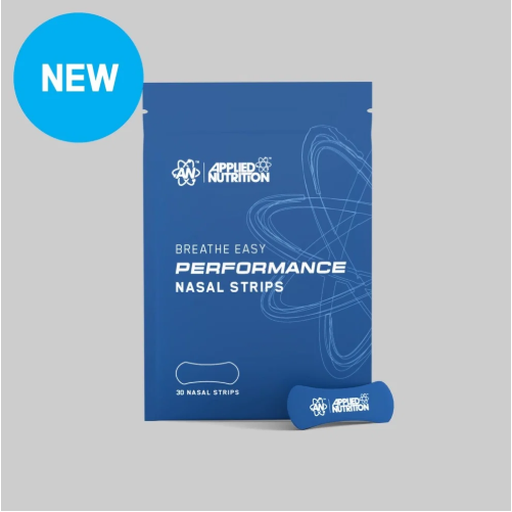
Why This Fits Their Persona: A straightforward, medication-free option for adults and adolescents wanting nasal breathing support during exercise, recovery or overnight use.
It uses an external tension band rather than medication, so shoppers can distinguish breathing support from decongestion treatment.
Flexible tension band; sweat-resistant adhesive; suitable for training, recovery and sleep.
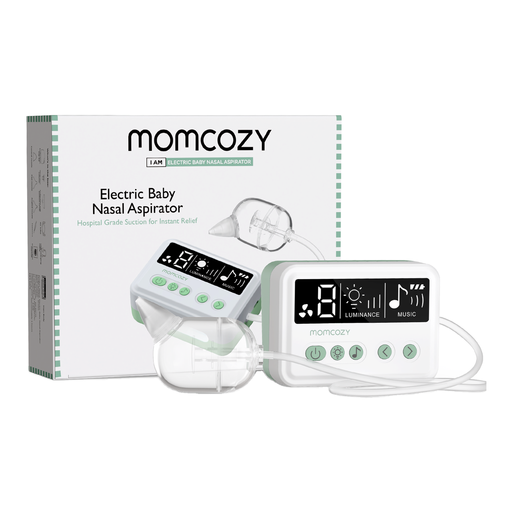
Why This Fits Their Persona: Suitable for parents who value adjustable operation, rechargeable convenience and additional comfort features during supervised use.
Nine suction levels make it possible to begin gently instead of relying on one fixed power setting.
Three silicone tips; USB Type-C rechargeable battery; removable parts for cleaning.
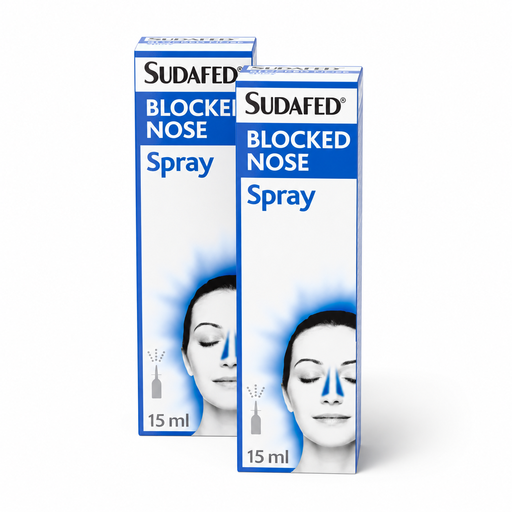
Why This Fits Their Persona: Designed for adults and children aged 12 and over seeking temporary relief from congestion linked with colds, sinusitis or hay fever.
The active ingredient and maximum seven-day use limit are clearly specified, helping prevent indefinite use.
Contains xylometazoline hydrochloride 0.1% w/v; supplied as a 15ml two-pack; stated relief duration of up to 10 hours.
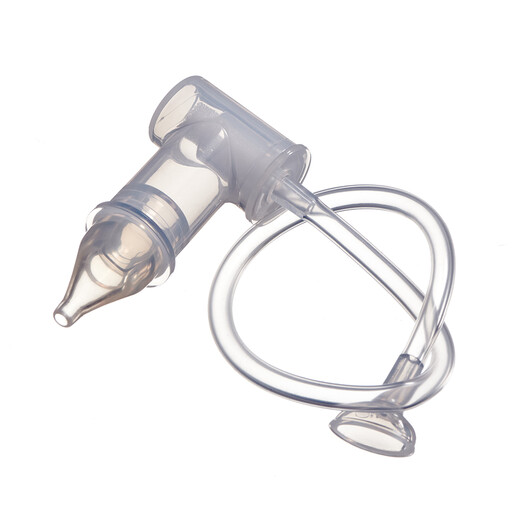
Why This Fits Their Persona: A manual newborn nose sucker for parents seeking a portable design and direct control during supervised use.
A soft tip, controlled manual suction and disposable filters address concerns about excessive suction and cross-contamination.
Suitable from 0+ months; includes disposable filters, four spare filters and a travel case; parts can be washed and sterilised as directed.
Follow the product label rather than extending use because congestion remains. The supplied Sudafed information states not to use it continuously for more than seven days. Speak to a pharmacist or GP if symptoms persist, worsen or repeatedly return.
Check the individual product guidance. The supplied performance nasal strips are intended for adults and adolescents and are not suitable for infants or toddlers. Apply only to clean, dry, intact skin and remove if irritation develops.
Use it only under direct adult supervision, select a gentle setting or suction level, and do not insert the tip deeply. Clean the parts after every use according to the instructions. For manual models with filters, replace the filter as directed. Seek medical advice if a baby’s congestion is persistent, severe or accompanied by concerning symptoms.