
24/7 Customer Support

Free returns

Same-day & Next-day Delivery

Quality Guaranteed

Unlock Your Welcome Offers: FREE Delivery | Up to 80% OFF | Free 30-day JoyPlus trial
Download the APP
From vibrant bubble tea shops to the world food aisle in your local supermarket, you have likely seen those intriguing, chewy cubes suspended in colourful drinks and desserts. This is nata de coco, a delightful coconut jelly from Southeast Asia that has become a sensation in the UK. But as its popularity grows, so does the confusion.
Many shoppers, excited by the promise of a fun, chewy fruit drink, end up disappointed. The market is filled with options, and it is easy to fall into a few common traps. You might pick a drink that tastes more of sugar than fruit, or find the coconut jelly itself is disappointingly soft and mushy. To help you make a better choice, we have identified the key pitfalls to watch out for.
To ensure you are getting a product you will genuinely enjoy, focus on a few core factors rather than just the packaging.
The quality of a drink with nata de coco hinges on the jelly itself. Authentic nata de coco is produced through the fermentation of coconut water, which creates a dense, gelatinous cellulose. When buying, consider these points:
A truly refreshing drink balances sweetness with authentic fruit flavour.
Being an informed shopper means taking a moment to scan the label. Besides checking for common allergens like coconut, pay attention to the list of E-numbers. While many are harmless stabilisers or preservatives, being aware of specific artificial colours allows you to make a choice that aligns with your personal or family's dietary preferences. This is particularly relevant when choosing an Asian dessert ingredient or bubble tea toppings for home use.
To make things simpler, we have matched some reliable options to different needs and preferences.
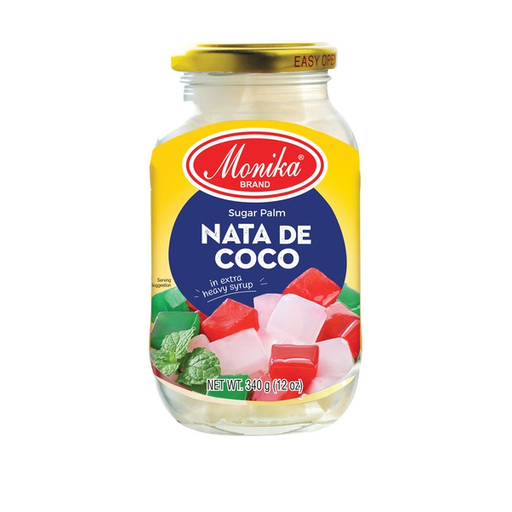
Why This Fits Their Persona: This is for the person who wants to create their own desserts. It's a versatile ingredient for homemade bubble tea, fruit salads or as a topping for ice cream and yogurt, giving you full control over the final dish.
By providing pure nata de coco in a light syrup, it completely avoids the "fruit flavour illusion." You control the sweetness and flavourings, ensuring a natural and customised result.
Highly versatile for countless recipes. It is also fat-free and cholesterol-free, serving as a simple, pure base ingredient.
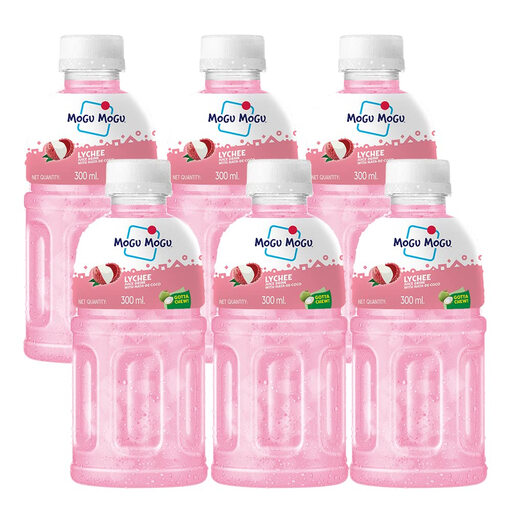
Why This Fits Their Persona: Ideal for young adults and teenagers looking for the quintessential fun, grab-and-go chewy drink. Mogu Mogu is an iconic brand, and lychee is one of its most popular, refreshing flavours.
This drink avoids the "texture gamble" by including a high 25% nata de coco content, ensuring a satisfyingly chewy experience in every sip, which is what the brand is known for.
A generous amount of chewy jelly and a classic, sweet lychee flavour. The multi-pack format is convenient for stocking up.
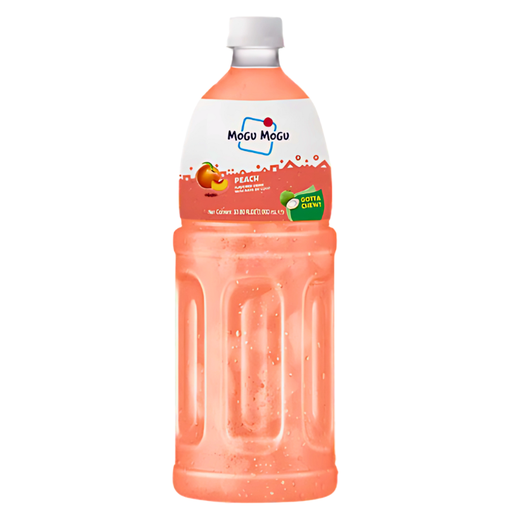
Why This Fits Their Persona: Perfect for families, parties or anyone who wants better value. The large 1L bottle is ideal for sharing, and the sweet peach flavour has wide appeal for both adults and children.
The clear ingredient list and use of peach juice concentrate offer transparency, avoiding the "flavour illusion." The large format also allows for controlled portioning at home.
Economical 1L size offers great value for money. The crowd-pleasing peach flavour makes it a safe and enjoyable choice for gatherings.
We have compiled a complete, real-time list of products that fully satisfy these strict selection criteria and UK safety regulations.
Nata de coco is not a fruit, but a food product made from coconut water. It is produced through a fermentation process that uses a bacterial culture to turn the sugars in the coconut water into a sheet of cellulose. This sheet is then harvested, cleaned and cut into the familiar chewy, translucent cubes.
For unopened ready-to-drink beverages or canned nata de coco, store them in a cool, dry place away from direct sunlight. Once opened, both drinks and canned ingredients should be kept refrigerated in a sealed container. It is advisable to consume opened drinks within 2-3 days and canned nata de coco within 24-48 hours for the best texture and freshness.
Absolutely. Nata de coco is one of the most popular bubble tea toppings after tapioca pearls. Its firm, chewy texture provides a wonderful contrast to the smooth tea. If you are making bubble tea at home, simply drain the syrup from a can of plain nata de coco, rinse the cubes briefly if you prefer less sweetness and add them to your drink.