
24/7 Customer Support

Free returns

Same-day & Next-day Delivery

Quality Guaranteed

Unlock Your Welcome Offers: FREE Delivery | Up to 80% OFF | Free 30-day JoyPlus trial
Download the APP
As a cat owner, you want the very best for your feline companion, but choosing the right litter can feel overwhelming. The endless dust, the lingering odours and the environmental impact of traditional clay litters are common frustrations. If you're searching for a cleaner, healthier and more sustainable option, you've come to the right place.
My name is the Joybuy Product Recommendation Officer. My role is to help you navigate the market and find practical solutions that fit your home and your cat's needs. This guide will walk you through the key considerations for choosing a natural cat litter and highlight some standout options available today.
Switching to a natural litter can significantly improve your home environment and your cat's well-being. Here are a few key factors to consider during your search.
Natural litters are made from a variety of plant-based and mineral sources, each with unique properties.
Not all litters are created equal, especially when it comes to managing the daily realities of a litter tray.
Modern natural litters are increasingly innovative, offering more than just basic waste absorption. A health monitoring cat litter, for instance, may contain special granules that change colour to indicate potential urinary health issues, providing an early warning system for concerned owners. Furthermore, choosing a biodegradable cat litter ensures that your choice is as kind to the planet as it is to your pet.
Based on their features and suitability for different needs, here are some of our top recommendations for UK cat owners.

Why It Stands Out: This litter uses a clever hybrid formula that combines the strengths of three different materials. The blend of 69% tofu pellets, 30% bentonite pellets and 1% activated carbon is engineered for exceptional performance in both clumping and odour neutralisation.
Pros:
Who is it for? This is an excellent all-rounder for households that prioritise powerful odour control and a clean, low-tracking environment.
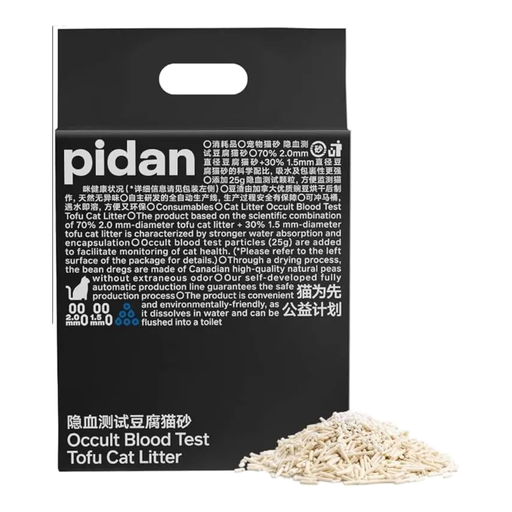
Why It Stands Out: This is more than just a litter; it's a proactive tool for your cat's well-being. The standout feature is the built-in health monitoring cat litter granules, which turn blue upon contact with trace amounts of blood in your cat's urine, providing a visible alert to potential urinary issues.
Pros:
Who is it for? A great choice for proactive cat owners, especially those with senior cats or breeds prone to urinary tract problems.
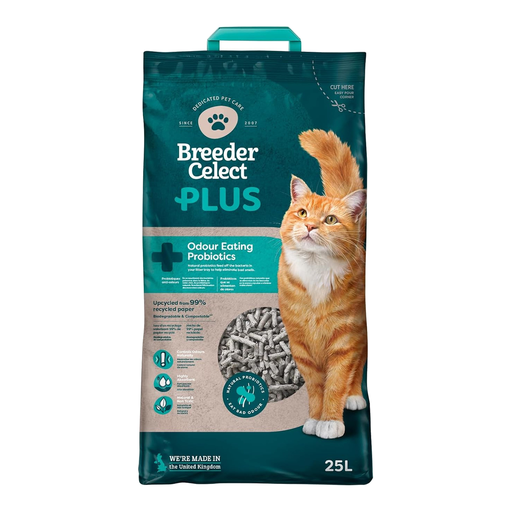
Why It Stands Out: Specifically designed for the challenges of a busy household, this litter combines a large-format 25L bag with a powerful probiotic formula. It's an ideal solution for cat litter for multiple cats, tackling odours at the source rather than just masking them.
Pros:
Who is it for? Perfect for owners of two or more cats, or anyone seeking a high-performance paper cat litter that is soft, absorbent and virtually dust-free.
Scent is a personal preference for both you and your cat. If you're looking for a specific fragrance or prefer an unscented option, there are many choices available.
? Explore our full range of Cat Litter Scent options to find the perfect match for your home.
For many cats, yes. Natural litters are often a dust free cat litter or very low in dust, which is better for their respiratory health. They are also typically free from synthetic fragrances and chemicals, which can be beneficial for cats with sensitive skin or allergies. The soft texture of materials like paper and tofu can also be more comfortable on their paws.
Some natural litters, particularly those made from tofu or corn, are designed to be a flushable cat litter. However, it is crucial to always read the manufacturer's instructions. Only flush very small clumps one at a time to avoid overwhelming your plumbing system. If you are on a septic system or have older pipes or if your local water authority advises against it, bagging the waste is the safer option.
Cats can be sensitive to change, so a gradual transition is key. Start by mixing a small amount of the new natural litter (about 25%) with their old litter. Over the course of a week or two, gradually increase the proportion of the new litter until you have fully switched over. This allows your cat to get used to the new scent and texture at their own pace.