
24/7 Customer Support

Free returns

Same-day & Next-day Delivery

Quality Guaranteed

Unlock Your Welcome Offers: FREE Delivery | Up to 80% OFF | Free 30-day JoyPlus trial
Download the APP
As a cat owner, you want what’s best for your feline friend and your home. Traditional clay litters can often mean clouds of dust, questionable ingredients and a heavy environmental footprint. If you're seeking a cleaner, healthier and more sustainable alternative, you've likely started looking into natural cat litter.
The choices can be overwhelming, from wood pellets to tofu formulas. This guide is designed to help you navigate the options, understand the key benefits and find a litter that suits your cat, your lifestyle and your values. We'll look at what makes a good eco-friendly cat litter and share some of our top recommendations for 2026.
Making the switch is easier when you know what to prioritise. Here are a few key factors to consider during your search.
The material is the biggest differentiator. Wood pellet cat litter, often made from pine, is a popular choice. These pellets are highly absorbent and excellent for odour control cat litter, releasing a subtle, fresh scent. They are also a biodegradable cat litter. Another innovative option is tofu cat litter, which is crafted from plant-based food-grade materials. It's known for being lightweight, soft on paws and often comes in a clumping cat litter format, making scooping simple. Some tofu litters are even designed to be a flushable cat litter, offering extra convenience.
A key reason many people switch to natural options is to find a low dust cat litter. Less dust is better for the respiratory health of both cats and humans, especially in households with allergies or asthma. The size and shape of the litter particles also affect tracking. Larger pellets, like those found in pine cat litter, are less likely to get stuck in your cat's paws and tracked around the house, helping to keep your floors cleaner.
This is a matter of personal preference and cleaning style.
Here are a few standout options that cater to different needs, from powerful odour control to convenient clumping action.
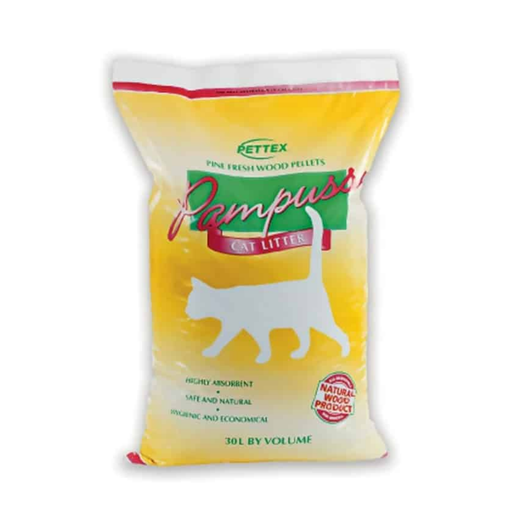
Why It Stands Out: This litter is a classic example of why wood pellet cat litter is so popular. Made from 100% recycled wood residues without any added chemicals, it offers a truly natural solution. Its high absorbency and natural pine fragrance work together to manage moisture and neutralise odours effectively.
Pros:
Who is it for? This is an excellent choice for environmentally conscious cat owners who prefer a non-clumping, low-tracking litter and appreciate the fresh, natural scent of pine.
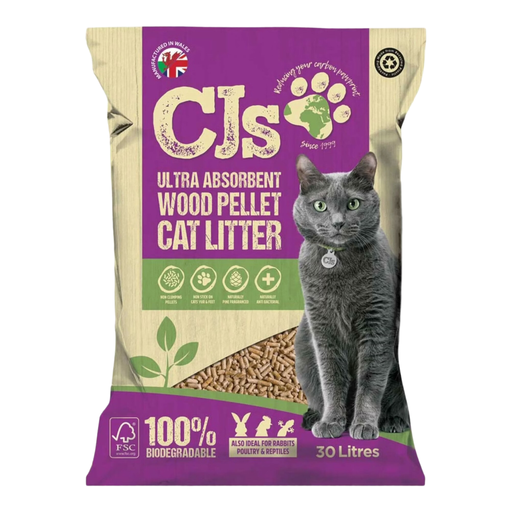
Why It Stands Out: CJs takes a slightly different approach by using 100% virgin softwood. This material is noted for its natural antibacterial properties, adding an extra layer of hygiene. The non-clumping pellets are designed for a simple "shake and remove" cleaning routine, making maintenance straightforward.
Pros:
Who is it for? Cat owners who value the properties of virgin softwood and want a simple, effective and non-clumping pine cat litter will find this a reliable choice.
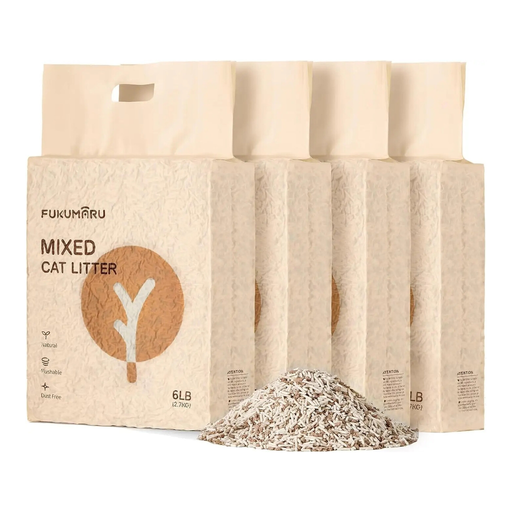
Why It Stands Out: This litter offers a modern, hybrid approach. It blends tofu cat litter pellets with bentonite and activated carbon for superior performance. This combination delivers fast, strong clumping and impressive odour control. According to the brand, its 5-step dust removal process results in a very low dust cat litter.
Pros:
Who is it for? This is ideal for those who prioritise the convenience of a fast-clumping and flushable litter but still want the benefits of natural, plant-based ingredients and a dust-free environment.
If the natural absorbency and odour control of wood-based litters appeal to you, there are many variations to explore. From different pellet sizes to unique wood sources, finding the perfect fit is key.
Explore our full range of wood cat litter to see more choices.
1. Is natural cat litter really better for the environment? Generally, yes. Materials like recycled wood, pine and tofu are renewable resources. As a biodegradable cat litter, they break down more easily in landfills compared to traditional clay litters, which are sourced through strip-mining and are not biodegradable.
2. How do I switch my cat to a new natural litter? Cats can be sensitive to change, so a gradual transition is best. Start by mixing a small amount of the new natural cat litter (about 25%) with their old litter. Over the course of 7-10 days, gradually increase the proportion of the new litter until the transition is complete. This helps your cat accept the new texture and scent without stress.
3. Is flushable cat litter safe for UK plumbing? While some litters, particularly tofu cat litter, are marketed as flushable, it's important to be cautious. Always flush only one or two small clumps at a time in a well-maintained plumbing system. Avoid flushing any litter if you have a septic tank or older, sensitive pipes. It's also wise to check the guidelines from your local water authority, as some advise against flushing any solids other than toilet paper. When in doubt, bagging and binning is the safest disposal method.