
24/7 Customer Support

Free returns

Same-day & Next-day Delivery

Quality Guaranteed

Unlock Your Welcome Offers: FREE Delivery | Up to 80% OFF | Free 30-day JoyPlus trial
Download the APP
As a dog owner in the UK, you want to provide the very best for your companion. Navigating the world of natural dog food can feel overwhelming, with countless brands making bold claims. It’s easy to fall for marketing hype or choose a food that isn’t quite right for your dog's specific needs. As the Joybuy Product Recommendation Officer, my role is to help you cut through the clutter and make an informed choice.
Many well-meaning owners find themselves caught in a few common traps. First is the "natural" halo effect, where the word itself is used as a guarantee of quality, even when the formula is packed with unnamed fillers. Second is the assumption that a high price tag automatically equals better nutrition. Finally, there's the trend-chasing trap, such as believing a grain free dog food is automatically superior for every dog, without considering the individual's dietary requirements. These pitfalls can lead to wasted money and a diet that doesn't fully support your dog's health.
This guide will break down the essential factors to consider, helping you select a food that genuinely meets your dog's needs, whether they are a playful puppy, a sensitive adult or a dignified senior.
Before you add any dog food to your basket, understanding the label is crucial. Ignore the flashy packaging and focus on these three key areas to assess the true quality of the food.
The foundation of any quality dog food is its protein source. When you look at the ingredients, they are listed by weight. A high-quality food should list a clearly named meat or fish (e.g., "Chicken", "Salmon" or "Lamb") as the very first ingredient.
The choice between wet dog food and dry dog food often comes down to your dog's preference, your lifestyle and specific health needs.
Many owners find a combination of both works well, offering the dental benefits of kibble with the palatability and hydration of wet food.
Many natural dog foods are formulated for specific dietary needs. Understanding these labels helps you match the food to your dog.
Always consider your dog's individual health. If you suspect an allergy, consulting a vet can help pinpoint the cause before you make a significant dietary change.
Here are a few options that align with our selection criteria, matched to different types of UK dog owners.
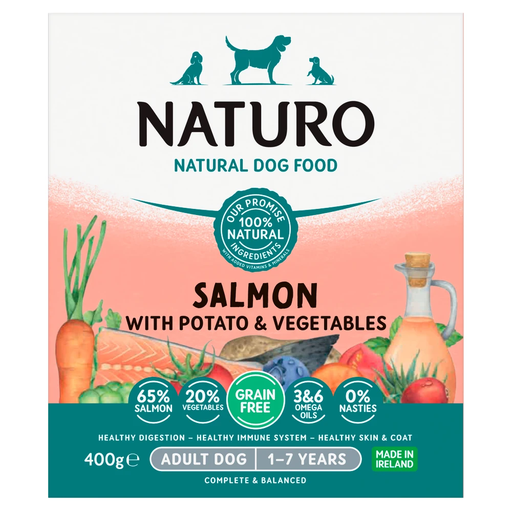
Why This Fits Their Persona: This is for the owner whose dog struggles with itchy skin or digestive upset. The grain-free recipe and use of salmon as the primary protein source helps avoid common triggers like chicken and wheat, making it a gentle option for sensitive systems.
It directly counters the "grain-free is a gimmick" trap by being a genuinely useful option for dogs that are actually sensitive to grains. The clear labelling (65% salmon) avoids the vague "natural" claims trap.
High in Omega Oils: Contains salmon and sunflower oils to support skin and coat health.
High Moisture Content: As a wet food, it aids hydration.
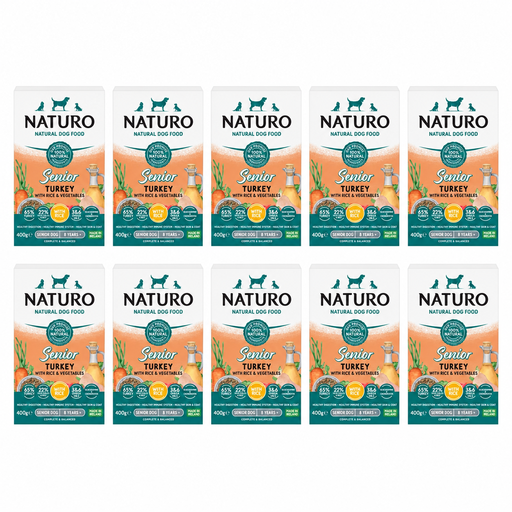
Why This Fits Their Persona: This is for owners of dogs entering their later years. The recipe is specifically formulated for seniors, with carefully balanced protein and fat levels to support wellbeing without overburdening their system. The soft, wet texture is also easier on older teeth and gums.
It avoids the "one-size-fits-all" approach. Instead of a generic adult formula, this is tailored for the specific metabolic and joint needs of senior dogs, showing that life-stage nutrition is more than just marketing.
Senior-Specific Formula: Made with 65% turkey and easily digestible rice.
Joint Support: Contains salmon oil for Omega fatty acids, which can help support joints.
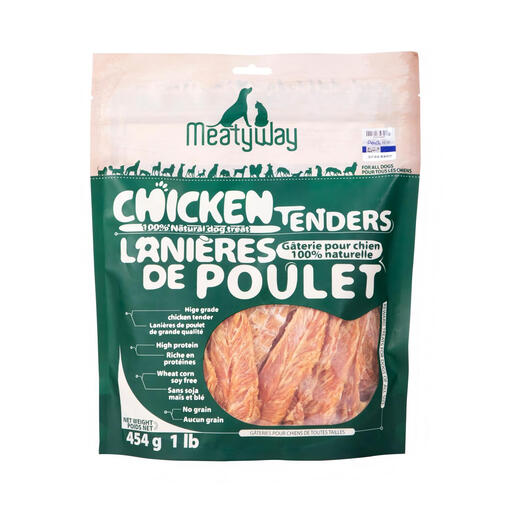
Why This Fits Their Persona: For owners who are serious about positive reinforcement, these natural dog treats are a perfect high-value reward. They are not a complete meal, but their simple, high-protein composition makes them an ideal, motivating snack for training sessions without adding unnecessary fillers to the diet.
This product avoids the trap of "junk food" treats. Many dog treats are full of sugar and artificial additives. These are made with 100% real chicken and are grain-free, providing a healthy reward that complements a natural diet.
Minimal Ingredients: Made with 100% real chicken and no grains, additives or fillers.
Perfect for Training: Soft texture can be easily broken into smaller pieces for rewarding good behaviour.
We have compiled a complete, real-time list of products that fully satisfy these strict selection criteria and UK safety regulations.
To avoid digestive upset, transition your dog to a new food gradually over 7-10 days. Start by mixing a small amount of the new food (around 25%) with their old food (75%). Every few days, increase the proportion of the new food while decreasing the old, until you have fully switched over.
Dry kibble is generally considered more beneficial for dental health. The abrasive action of chewing the hard biscuits can help scrape away plaque and tartar from the teeth. However, wet food is not necessarily bad for teeth, and dental health should be supported with regular brushing and dental chews regardless of diet.
"Natural" generally means the food is made without artificial colours, flavours or preservatives. "Hypoallergenic," on the other hand, is a term used for foods formulated to reduce the risk of an allergic reaction. This is usually achieved by using a single or novel protein source (like duck or venison) and avoiding common allergens like wheat, dairy and soya. A food can be both natural and hypoallergenic.