
24/7 Customer Support

Free returns

Same-day & Next-day Delivery

Quality Guaranteed

Unlock Your Welcome Offers: FREE Delivery | Up to 80% OFF | Free 30-day JoyPlus trial
Download the APP
As a dog owner in the UK, you want to provide the very best for your companion. Navigating the world of natural dog food can be a challenge, with aisles full of bags and tins all claiming to be the healthiest choice. Marketing language often creates more confusion than clarity, making it difficult to distinguish genuine quality from clever packaging.
Many well-intentioned owners fall into common traps. They might choose a food labelled "with real chicken" only to find it contains minimal meat, or they might select a "natural" product that is still packed with fillers that offer little nutritional value. Another frequent pitfall is feeding a generic adult formula to a dog with specific needs, such as a growing puppy or a senior with stiff joints, thereby missing the opportunity to provide targeted nutritional support. This guide is designed to help you cut through the clutter and make an informed decision based on what truly matters.
Before you place a bag or tin in your basket, there are a few non-negotiable parameters to analyse. Understanding these will empower you to see past the marketing slogans and assess the true quality of the food.
The term "natural" is only meaningful if it is backed by high-quality ingredients. The most critical of these is the protein source.
The debate between grain-inclusive and grain-free dog food is a common point of confusion. The right choice depends entirely on your individual dog.
A dog's nutritional needs change dramatically throughout its life. A one-size-fits-all approach is rarely sufficient.
To help you match a food to your dog's specific profile, we have filtered through the options to find products that align with these quality principles.
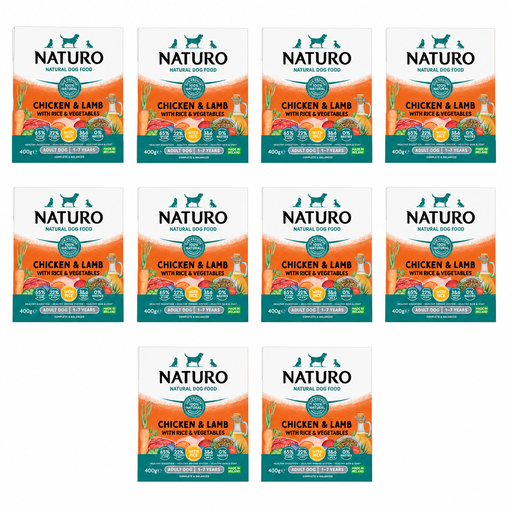
Why This Fits Their Persona: This is for the owner of a healthy adult dog in its prime. The high protein content supports an active lifestyle, from long walks in the park to weekend hikes. The inclusion of brown rice provides sustained energy, and the multi-pack format offers convenience and value for daily feeding.
It clearly states its meat content (65% chicken and lamb), avoiding the vague "with meat" pitfall. The ingredients are specific and recognisable, not hidden behind generic terms.
A complete and balanced wet dog food with added salmon oil for skin and coat health, plus essential vitamins and minerals for overall wellbeing.
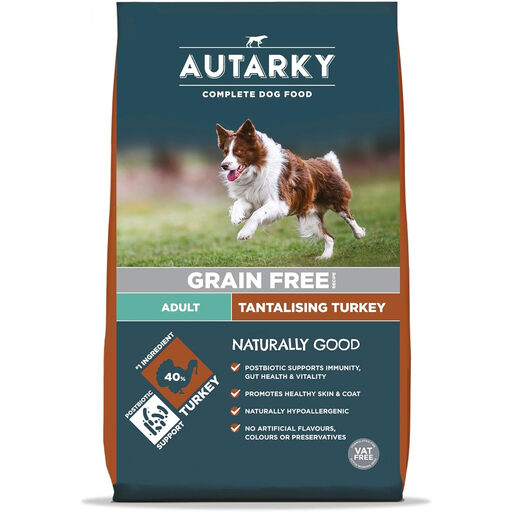
Why This Fits Their Persona: This is for the owner whose dog struggles with digestive issues or skin sensitivities. The grain-free formula uses potato as the main carbohydrate, which is ideal for dogs that react poorly to wheat or corn. The single, high-quality protein source (turkey) also helps in managing potential food intolerances.
It directly addresses the "one-size-fits-all" trap by providing a specialised, hypoallergenic dog food. The formula is specifically designed for dogs with grain sensitivities.
Contains prebiotics to support gut health, omega fatty acids for skin and coat and added glucosamine and chondroitin for joint support, making it a comprehensive choice.
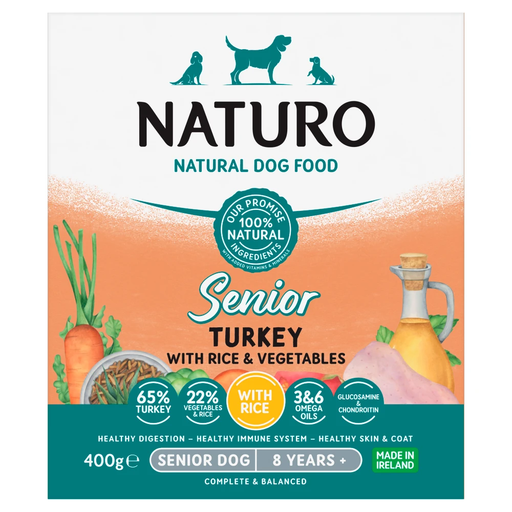
Why This Fits Their Persona: Perfect for owners of dogs entering their golden years. This senior dog food is formulated with lean turkey protein to maintain muscle mass without excess calories and it includes specific ingredients to support ageing joints and overall vitality.
This recipe avoids the trap of feeding a generic adult food to an older dog. It is specifically tailored with Glucosamine and Chondroitin to help maintain joint health and cartilage, addressing a key concern for senior pets.
Features 65% turkey for easily digestible protein and is enriched with prebiotics (MOS & FOS) to support the digestive system, which can become more sensitive with age.
We have compiled a complete, real-time list of products that fully satisfy these strict selection criteria and UK safety regulations.
A gradual transition is key to avoiding digestive upset. Over a period of 7-10 days, start by mixing a small amount of the new food with their old food. Gradually increase the proportion of the new food while decreasing the old food until you have fully switched over.
Both wet dog food and dry kibble can be excellent choices, and the decision often comes down to your dog's preference and your lifestyle. Wet food has a high moisture content, which is great for hydration and is often more palatable for picky eaters. Dry food is convenient, can be more cost-effective and its crunchy texture can help with dental hygiene. Some owners choose to mix both.
The most reliable indicator is the ingredients list. Look for a high percentage of named meat sources (like chicken, lamb, or turkey) at the top of the list. Check for the absence of artificial colours, flavours and preservatives. A quality food will also contain beneficial additions like omega fatty acids, vitamins, minerals and sometimes prebiotics for digestive health.