
24/7 Customer Support

Free returns

Same-day & Next-day Delivery

Quality Guaranteed

Unlock Your Welcome Offers: FREE Delivery | Up to 80% OFF | Free 30-day JoyPlus trial
Download the APP
As a dog owner in the UK, choosing the right treats for your companion can feel overwhelming. The aisles are filled with brightly coloured packages and bold claims, making it difficult to distinguish marketing hype from genuine quality. You want to reward your dog with something that is not only delicious but also contributes positively to their health.
This guide is designed to help you navigate the options with confidence. We will walk through what to look for when selecting natural dog treats, helping you understand ingredient lists and identify products that align with your dog's specific needs, whether that's a sensitive stomach, weight management or simply a need for high-quality ingredients.
Making an informed choice is simpler than it seems. By focusing on a few key areas, you can quickly assess the quality of a treat.
The foundation of any healthy dog treat is its ingredients. Look for a short, understandable list. A high-quality treat will typically feature real meat dog treats—such as chicken, duck, or lamb—as the first ingredient, not "meat and animal derivatives." Simple, whole-food ingredients are often easier for dogs to digest. For dogs with known sensitivities, opting for grain-free dog treats can be a sensible choice, as they avoid common allergens like wheat, corn and soy that may cause digestive upset in some pets.
Consider why you are giving your dog a treat. Are you in the middle of a training session? Small, soft and easily breakable dog training treats are ideal for frequent rewards without overfeeding. If you're looking for something to help with dental hygiene, a tougher, chewier treat that encourages gnawing can be more effective. For dogs on a weight management plan, choosing specifically formulated low fat dog treats with a clear nutritional breakdown is essential.
Just as important as what is in the treat is what is left out. The best natural options are free from artificial colours, flavours and preservatives. These additives offer no nutritional value and can sometimes be the cause of skin or stomach issues in sensitive dogs. A clean recipe without unnecessary fillers ensures your dog is getting a pure, wholesome snack.
Based on our criteria of simple ingredients, clear purpose and nutritional value, here are some standout options for you to consider.

Why It Stands Out: These treats feature an exceptionally simple, two-ingredient recipe. Combining high-quality duck dog treats with nutritious sweet potato, they offer a balanced snack that is both tasty and gentle on the digestive system.
Pros:
Who is it for: An excellent choice for owners of dog treats for sensitive stomachs. The limited-ingredient profile minimises the risk of triggering allergies, making it a reliable option for daily rewards.
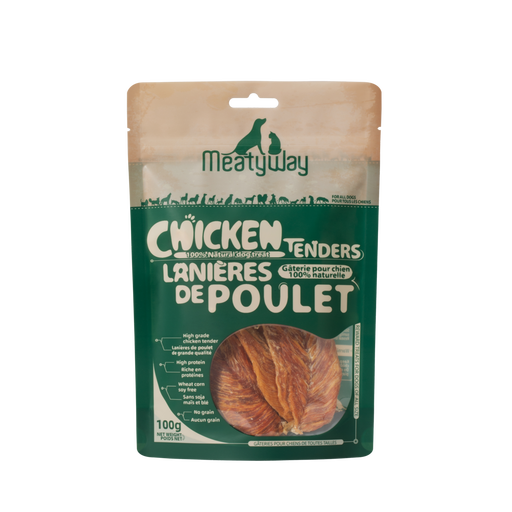
Why It Stands Out: With 100% real chicken as the sole ingredient, these tenders are the definition of a pure and simple treat. Their high protein content and soft, chewy texture make them a highly palatable and satisfying reward.
Pros:
Who is it for: Perfect for dog owners seeking an ultra-clean, high-protein snack. Their simple composition makes them suitable for dogs with multiple food sensitivities and their breakable nature is ideal for training purposes.
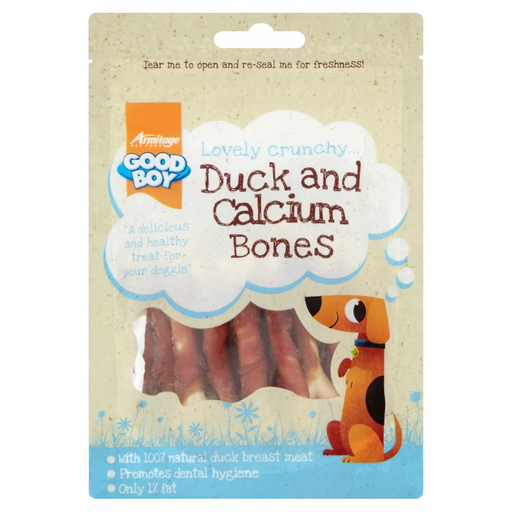
Why It Stands Out: These treats offer a dual benefit, combining the rich flavour of natural duck breast with the functional advantage of added calcium. With a remarkably low fat content, they are a thoughtful choice for health-conscious owners.
Pros:
Who is it for: A great option for owners looking to support their dog's dental and bone health. The low-fat, high-protein profile also makes it a suitable treat for dogs on a calorie-controlled diet (for dogs over 4 months old).
Every dog has unique preferences and dietary requirements. If the recommendations above aren't quite the right fit or if you simply wish to see a broader variety of choices, there are many other high-quality products available.
To discover more options tailored to different needs, from dental chews to training bites, feel free to explore our full range of pet treats and food.
Grain-free treats are an excellent choice for dogs with a diagnosed grain allergy or a sensitive stomach that reacts poorly to grains. However, not all dogs require a grain-free diet. For most dogs, the overall quality and digestibility of the ingredients—whether they include grains or not—are what matter most. The key is to choose a treat with wholesome, minimally processed ingredients.
A widely accepted guideline is that treats should not make up more than 10% of your dog's total daily caloric intake. The exact number depends on the size of the treat and your dog's age, weight and activity level. Always check the feeding recommendations on the product packaging and remember to provide fresh drinking water. Treats are for supplemental feeding and should not replace a balanced meal.
To summarise, focus on three things: