
24/7 Customer Support

Free returns

Same-day & Next-day Delivery

Quality Guaranteed

Unlock Your Welcome Offers: FREE Delivery | Up to 80% OFF | Free 30-day JoyPlus trial
Download the APP
Choosing natural dog treats and chews involves more than picking the largest packet or the product with the most attractive health claims. The right choice depends on your dog’s age, size, chewing style, diet, dental condition and daily calorie intake.
Marketing can also make comparison difficult. “Natural”, “grain-free” and “long-lasting” may describe useful features, but they do not automatically mean a product suits every dog. Use the checks below to narrow the options before buying.
A treat can contain a short ingredient list and still be unsuitable for a dog with an allergy, sensitive digestion or a calorie-controlled diet. Check the actual ingredient panel rather than relying on front-of-pack wording.
For example, grain-free dog treats may still contain several animal proteins, while a product described as hypoallergenic may only be suitable if your dog tolerates its specific protein source. Introduce any new treat gradually and stop feeding it if your dog shows signs of intolerance.
Soft jerky can be convenient for training, but it does not perform the same role as a structured chew. Conversely, a firm dental chew may be unsuitable for a puppy, senior dog or dog with existing dental problems.
Treats should not replace brushing or veterinary dental care. Claims about plaque, tartar or breath should be treated as product information rather than a guarantee of a particular result.
Pig ears and other long-lasting dog chews can keep a dog occupied, but they may contain considerably more fat and calories than small training rewards. Hollings Pig Ears, for instance, list 503 kcal per 100g and 32% fat content in the supplied nutritional information.
Size variation is another practical issue. A chew that is appropriate for a large dog may present a swallowing risk for a smaller dog. Always supervise chewing, provide fresh water and remove a treat or toy once it becomes small enough to swallow.
Look for a clearly stated primary ingredient and a complete analytical composition. The Waita Air-Dried Rabbit Stomach lists 100% rabbit stomach, with crude protein of at least 50%, crude fat of at least 15% and moisture no higher than 14%. This gives owners more information to compare than vague descriptions such as “meaty goodness”.
Single-protein air-dried rabbit treats may be useful for owners avoiding chicken, duck or beef, but “hypoallergenic” should not be interpreted as allergy-proof. Confirm the complete recipe and speak to your vet if your dog is on an elimination diet.
For everyday rewards, high-protein dog treats such as chicken or duck jerky may be easy to portion. Check whether the product contains added grains, fillers, flavourings or preservatives if those are concerns for your household.
Select texture according to purpose:
A toy is not the same as an edible chew. Rosewood Large Trio Grain Free Sticks are non-food chew toys and should be inspected for cracks or fragments. They are described for medium to large dogs, but the supplied guidance says they are not suitable for extra-large dogs with extreme biting strength.
Treats contribute to daily energy intake, so reduce main meal portions where appropriate. Follow the label’s age and weight guidance, keep opened products sealed as instructed and store them in a cool, dry place.
For small mammals, choose purpose-made small pet chew toys rather than dog treats. Rabbits, guinea pigs, rats and chinchillas have different nutritional needs and require safe gnawing enrichment. The Rosewood Treat n Gnaw Logs Large is designed for enclosure use and includes a hanger and cage clip; remove it when significantly worn or soiled.

Why This Fits Their Persona: The 454g bag offers a practical format for households using regular rewards during walks, obedience practice or settling routines.
The jerky can be broken into smaller portions, helping owners avoid giving a full-sized reward for every behaviour.
Grain-free recipe information; tender texture; supplied in a 454g pack.
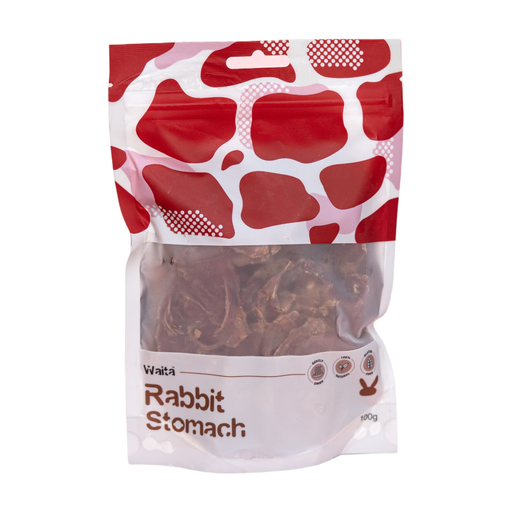
Why This Fits Their Persona: A single-ingredient option for owners who want a clearly defined protein and a crunchy texture for occasional feeding.
The ingredient list states 100% rabbit stomach, avoiding the uncertainty of a broad multi-protein recipe.
Single animal ingredient; air-dried format; crude protein listed at 50% minimum.
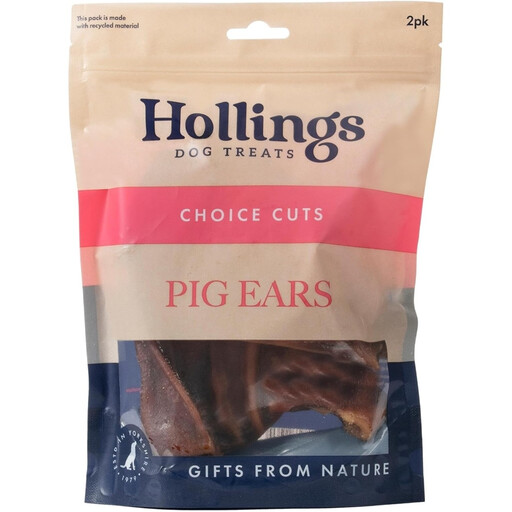
Why This Fits Their Persona: Suitable for owners seeking an occasional, substantial chew for an adult dog, particularly during quiet time at home.
The product is free from rawhide, but its calorie and fat content are clearly stated, making portion planning easier.
100% pork ingredient; air-dried format; two-piece pack with stated supervision warnings.
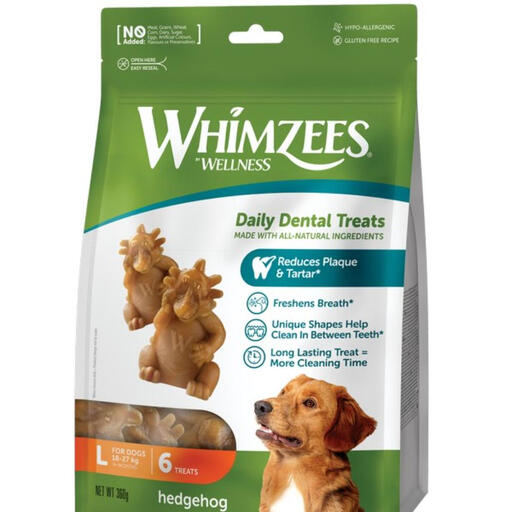
Why This Fits Their Persona: A vegetarian dental treat format for adult dogs weighing 18–27kg, when the stated age and weight guidance matches.
The label specifies one chew per day and identifies the intended adult weight range, rather than leaving portion size unclear.
Vegetarian recipe; low listed fat content of 2%; 60g chew format with feeding guidance.
For short training sessions, choose soft chicken jerky dog treats or duck jerky that can be cut into tiny rewards. The MeatyWay Chicken Jerky Tender Dog Treats list chicken as the ingredient and provide a resealable 454g bag, while the mixed chicken and duck pack gives owners two flavour formats to rotate.
For dogs with a strong chewing habit, consider rawhide-free alternatives and inspect each chew during use. You can browse the rawhide free dog chews long lasting range to compare formats designed for extended chewing.
If your pet is a rabbit, guinea pig, rat or chinchilla, prioritise enrichment products made for small animals. Never assume a dog chew or treat is automatically appropriate for another species.
We have compiled a complete, real-time list of products that fully satisfy these strict selection criteria and UK safety regulations.
Not automatically. “Natural” usually describes the ingredient style or processing, but nutritional suitability depends on protein, fat, calories, portion size and your dog’s individual needs. Compare the analytical constituents and feed treats as part of the daily diet.
There is no universal duration. It depends on the chew’s material, size and your dog’s bite strength. Remove any item that becomes small, cracked or heavily damaged, and supervise throughout use. A long-lasting chew should not be left available indefinitely.
They may be suitable when the ingredient list avoids your dog’s known triggers, but neither term guarantees tolerance. Check for hidden or multiple protein sources and ask your vet for guidance if your dog has recurring digestive or allergic symptoms.