
24/7 Customer Support

Free returns

Same-day & Next-day Delivery

Quality Guaranteed

Unlock Your Welcome Offers: FREE Delivery | Up to 80% OFF | Free 30-day JoyPlus trial
Download the APP
As a nation of dog lovers, we want what’s right for our four-legged family members. Navigating the world of natural dog treats UK can feel overwhelming, with shelves and websites full of promises. But what does "natural" truly mean, and how can you be sure you are making a healthy choice? Many well-intentioned owners find themselves caught out by clever marketing, leading to wasted money on treats that don't live up to their claims.
My role as a Joybuy Product Recommendation Officer is to help you see past the hype. Let's look at the common pitfalls in the dog treat market and how to avoid them, ensuring you find a treat that genuinely benefits your dog's health and happiness.
Before you add anything to your basket, be aware of these frequent issues that can mislead even the most careful shopper:
To ensure you're buying genuinely healthy dog treats, focus on these key parameters. They are the non-negotiable checks that separate the quality products from the marketing fluff.
The golden rule is to read the composition list. Look for treats with a short, understandable list of ingredients.
Not all treats are created equal. Consider why you are giving the treat and choose a format that suits the occasion.
To help you make a confident choice, here are some products that align with our strict selection criteria, matched to different types of dog owners.
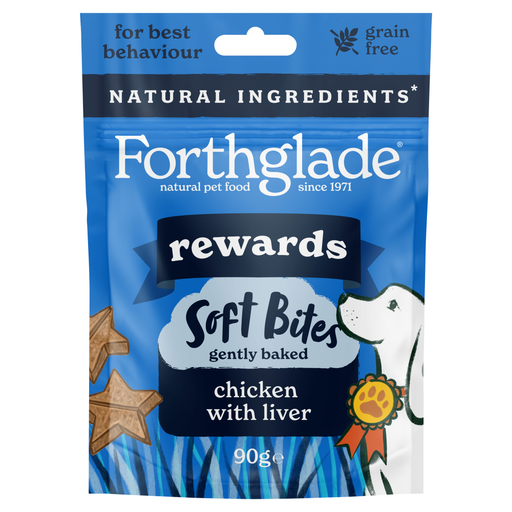
Why This Fits Their Persona: Perfect for UK dog owners focused on positive reinforcement training. These soft, bite-sized treats are highly palatable to keep a dog's attention and can be easily broken for frequent rewards without overfeeding.
The ingredient list is clear and specific, with 34% chicken as the primary ingredient, not vague "derivatives." It is a grain-free recipe, avoiding common fillers.
Soft-bite texture suitable for puppies (from 2 months) and adult dogs. Comes in a resealable pouch to maintain freshness during walks and training sessions.
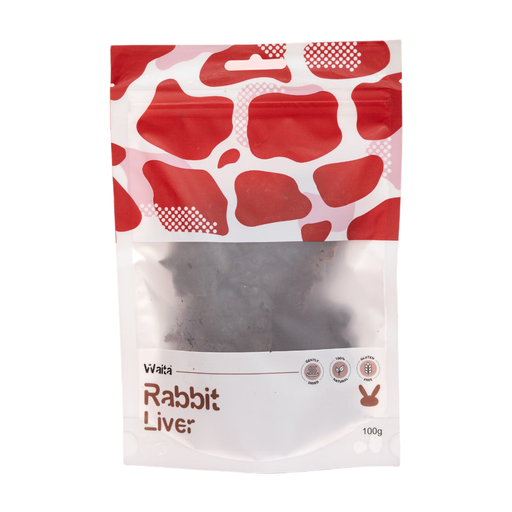
Why This Fits Their Persona: An ideal choice for owners managing food sensitivities or allergies. Rabbit is a novel protein for many dogs, making it a perfect hypoallergenic option for those who react to more common proteins like chicken or beef.
This treat has only one ingredient: 100% rabbit liver. There are no hidden grains, fillers or artificial additives, eliminating the guesswork for owners of sensitive dogs.
Air-dried to preserve nutrients and flavour. The crunchy texture also helps with dental hygiene. It is a pure, nutrient-dense organ meat treat.
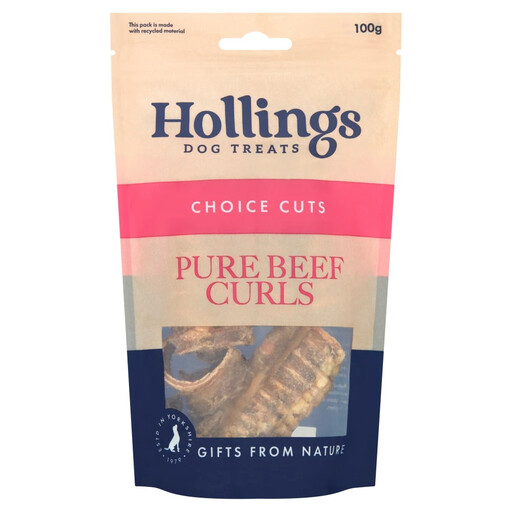
Why This Fits Their Persona: For owners of dogs that need a satisfying, long-lasting chew. This provides mental stimulation to reduce boredom and the physical act of gnawing helps maintain dental health. It's a robust, natural alternative to processed dental sticks.
This is a 100% natural beef trachea chew. It is a single-ingredient product, free from the grains, sugars and artificial binders found in many composite chews.
Air-dried to lock in goodness. Beef trachea is a natural source of glucosamine and chondroitin, which are known to support joint health and mobility.
We have compiled a complete, real-time list of products that fully satisfy these strict selection criteria and UK safety regulations.
The widely accepted guideline is that treats should not make up more than 10% of your dog's total daily calorie intake. This ensures their main diet remains balanced and they maintain a healthy weight. Always check the feeding guide on the packaging and adjust your dog's main meals accordingly if you are giving several treats.
For dogs with diagnosed grain allergies or sensitivities, grain-free treats are essential. For most other dogs, they are an excellent choice as these recipes often prioritise high-quality, meat-based protein over cheaper fillers. However, the overall quality of the ingredients is more important than just the absence of grain. A treat with high-quality, named grains can still be a healthy option for a dog that tolerates them well.
Both are gentle, low-temperature preservation methods that retain more of the natural nutrients and flavour compared to high-heat baking.