As a nation of dog lovers, we want to reward our companions with treats that are not only delicious but also contribute positively to their health. However, navigating the pet food aisle can be a challenge. With so many options available, all claiming to be wholesome, it’s difficult to separate genuine quality from clever marketing.
This guide is designed to help you make informed choices. We will walk through what to look for in natural dog treats, how to select the right option for your dog's specific needs and share some of our top recommendations available in the UK for 2026.
How to Choose Healthy Dog Treats in the UK
Choosing the right treat involves more than just picking your dog's favourite flavour. Here are a few practical tips to help you select a product that supports their well-being.
1. Scrutinise the Ingredient List
The foundation of any good treat is its ingredients. Look for a short, understandable list composed of whole-food ingredients. A high-quality treat will typically feature a named protein source (like duck, chicken or turkey) as one of the first ingredients. Be wary of vague terms like "meat and animal derivatives" and avoid products packed with artificial colours, flavours and preservatives. Many owners also opt for grain-free dog treats, which can be a suitable choice for dogs with sensitivities or allergies to grains like wheat or corn.
2. Consider Your Dog's Specific Needs
Every dog is an individual, and their treats can be chosen to support their unique requirements.
- For Sensitive Stomachs: If your dog is prone to digestive upset, look for dog treats for sensitive stomachs. These often feature limited ingredients, easily digestible proteins and beneficial additions like pumpkin or slippery elm bark. Hypoallergenic dog treats that avoid common allergens like beef, dairy and wheat are also excellent options.
- For Anxious Pups: For dogs that get nervous during thunderstorms or car journeys, calming dog treats can be a useful tool. These are often formulated with natural ingredients like chamomile, lemon balm or passion flower.
- For Training and Active Dogs: Small, low-calorie dog training treats are ideal for rewarding good behaviour without overfeeding. For more active dogs, high protein dog treats can help support muscle maintenance and energy levels.
3. Understand the Label
In the UK and EU, dog treats are labelled as "complementary pet food," meaning they are intended to be fed alongside a complete and balanced main diet. The packaging should provide clear feeding guidelines. A responsible brand will also be transparent about where its ingredients are sourced and where the product is manufactured.
Top Natural Dog Treat Recommendations
Based on their ingredient transparency and formulation, here are a few standout options that cater to different needs.
MeatyWay Duck Jerky Tenders Dog Treats

- Why It Stands Out: These jerky tenders are defined by their simplicity. The recipe contains just two ingredients: real duck breast and purple sweet potato. This straightforward, grain-free formula provides a high-protein, low-fat reward without any artificial additives, fillers and preservatives. The chewy texture also helps with dental cleaning as your dog chews.
- Pros:
- Simple, limited ingredient list.
- High-protein content from real duck.
- Completely grain-free and easily digestible.
- Can be broken into smaller pieces for use as dog training treats.
- Who is it for: Owners seeking a pure and simple, high-value chewy treat. It's an excellent choice for dogs with grain sensitivities or for use as a special reward during training sessions.
Scrumbles Dog Soft Treats Gut Friendly
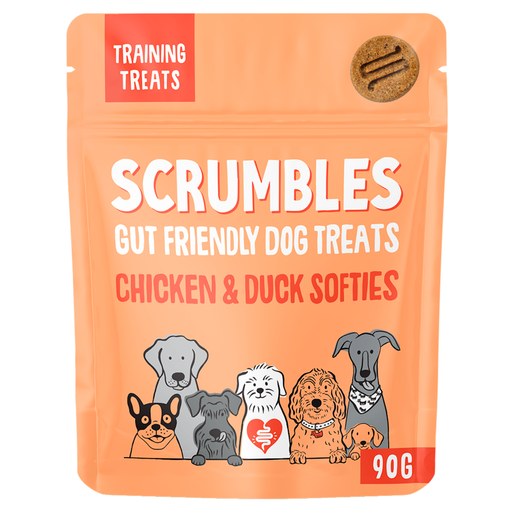
- Why It Stands Out: As the name suggests, these are specifically formulated as gut friendly dog treats. The recipe combines chicken and duck with ingredients known to support digestive health, such as pumpkin, linseed and slippery elm bark. Their soft texture makes them easy to chew, and they are suitable for puppy treats from just 8 weeks of age.
- Pros:
- Formulated with ingredients to support digestive wellness.
- Contains slippery elm bark for digestive aid.
- Soft texture is suitable for puppies and senior dogs.
- Uses natural preservatives and antioxidants.
- Who is it for: Ideal for owners of dogs with delicate digestions or those looking for a gentle treat for their puppy. The soft consistency also makes them a good option for older dogs who may struggle with harder biscuits.
Scrumbles Dog Treats Calming Nibbles
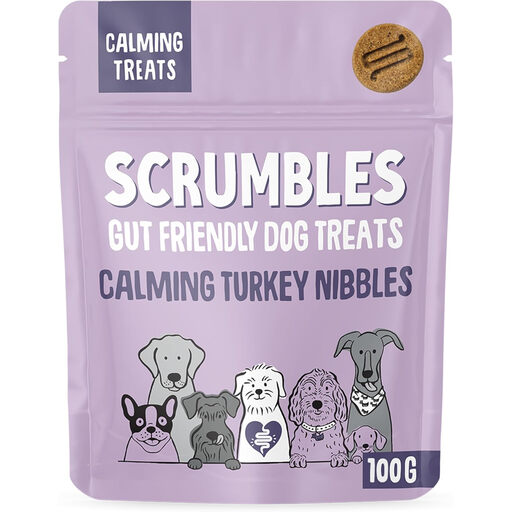
- Why It Stands Out: These are functional calming dog treats designed to help soothe anxious dogs. The hypoallergenic and grain-free formula is based on turkey and includes natural herbs like lemon balm and chamomile. In addition to their calming properties, these nibbles contain glucosamine for joint support, making them a multi-benefit treat.
- Pros:
- Contains natural calming ingredients.
- Hypoallergenic and grain-free recipe suitable for sensitive dogs.
- Small, bite-sized pieces are perfect for training.
- Includes added glucosamine to support joint health.
- Who is it for: A great choice for owners of dogs who exhibit signs of stress or anxiety. Their small size also makes them practical dog training treats, helping to keep a dog calm and focused during sessions.
Looking for Something a Little Different?
If the recommendations above aren't quite what you're looking for, or if your dog has a preference for sweeter flavours, you might find the perfect option in our broader collection. We've curated a variety of treats to suit different tastes and dietary needs.
Explore our full range of sweet dog treats to discover more choices.
Frequently Asked Questions About Natural Dog Treats
What makes a dog treat 'natural'?
In the context of pet food, 'natural' generally means the product is made from ingredients sourced from plants, animals or minerals. These ingredients are typically subjected to minimal processing and are free from artificial colours, flavours or synthetic preservatives.
Are grain-free dog treats always better?
Not necessarily. Grain-free dog treats are an excellent choice for dogs that have a diagnosed grain allergy or a noticeable sensitivity. However, for most dogs, whole grains can be a nutritious source of carbohydrates and fibre. The most important factor is choosing a high-quality treat that agrees with your individual dog's digestive system. If you have concerns about your dog's diet, it is always advisable to consult with your vet.
How many natural treats can I give my dog a day?
A widely accepted guideline is that treats should not exceed 10% of your dog's total daily calorie intake. This helps prevent weight gain and ensures their main diet remains balanced. Always refer to the feeding guide on the product packaging for specific recommendations and adjust your dog's main meals accordingly.


