
24/7 Customer Support

Free returns

Same-day & Next-day Delivery

Quality Guaranteed

Unlock Your Welcome Offers: FREE Delivery | Up to 80% OFF | Free 30-day JoyPlus trial
Download the APP
Navigating the world of dog treats can feel overwhelming. With shelves full of brightly coloured packages and bold claims, how do you find options that are genuinely natural and beneficial for your four-legged friend? Many UK dog owners are looking for simple, wholesome ingredients, but deciphering labels to avoid hidden fillers and artificial additives is a challenge.
This guide is designed to cut through the clutter. As the Joybuy Product Recommendation Officer, my role is to provide clear, practical advice to help you make informed choices. We will explore what to look for in high-quality natural dog treats and highlight a few noteworthy options available this year.
Before we look at specific products, here are a few key points to consider when you're shopping. Focusing on these areas will help you select treats that align with your dog's health and dietary needs.
The ingredients list is the most reliable source of information. Look for a short list of recognisable, whole-food ingredients. If the first ingredient is a high-quality protein source like chicken, duck or fish, that's a positive sign. Many owners are now opting for grain-free dog treats, which can be an excellent choice for dogs with sensitivities or specific dietary plans. These recipes typically use alternatives like sweet potato or chickpeas instead of common grains.
Not all treats serve the same function. Consider what you need them for:
The right texture can make a big difference. Soft dog treats are often preferred for puppies whose teeth are still developing, senior dogs who may have difficulty with hard biscuits or for use in puzzle toys. Harder, chewier treats can provide longer-lasting enjoyment and contribute to dental cleaning.
Based on their ingredient transparency and suitability for various needs, here are a few products worth your consideration.
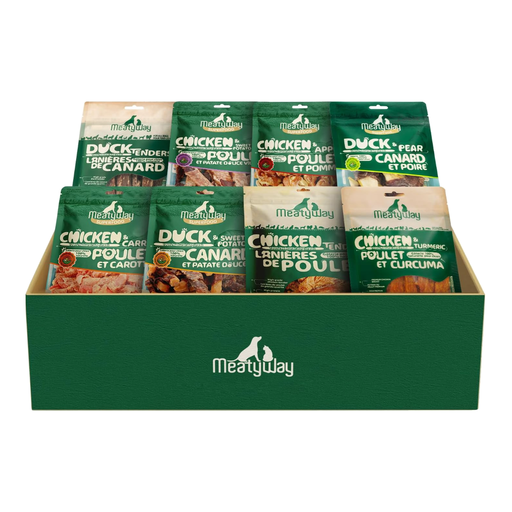
Why It Stands Out: These treats lead with real meat, which is wrapped around pieces of fruit and vegetables. The ingredient list is minimal and avoids common fillers, grains and artificial preservatives. The combination provides a balance of protein from the meat and fibre and vitamins from the plant-based ingredients.
Pros:
Who is it for? Dog owners looking for a versatile, high-protein and healthy dog treat that works for both rewards and general snacking. The soft texture makes it accessible for dogs of all ages, from puppies to seniors.
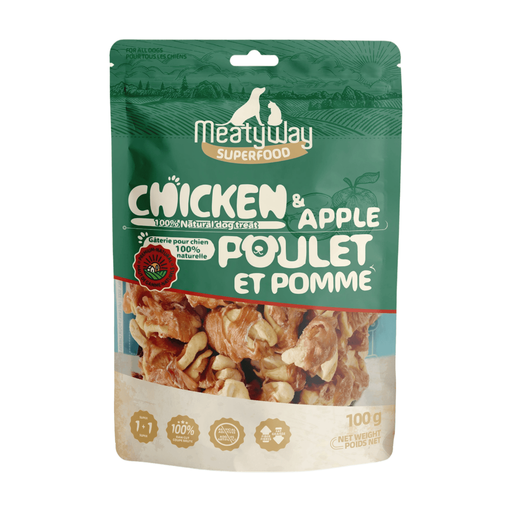
Why It Stands Out: The appeal of this treat lies in its simplicity. With just two primary ingredients—chicken and apple—it’s an excellent example of a clean, straightforward snack. This recipe is grain-free and contains no artificial additives, making it a clear choice for ingredient-conscious owners.
Pros:
Who is it for? Owners who prioritise minimal-ingredient diets for their dogs. It's a great choice for those seeking a simple, protein-rich and grain-free dog treat without a long list of additives.
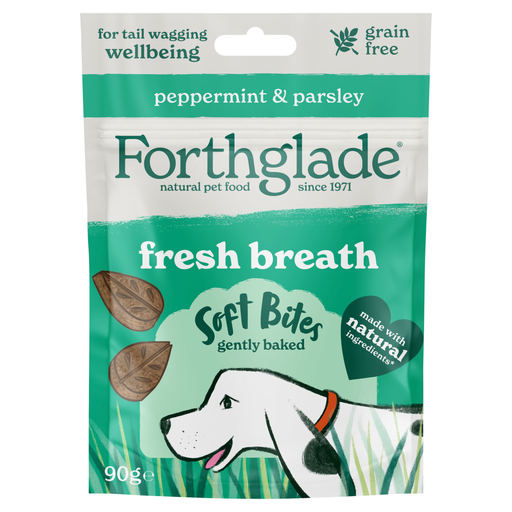
Why It Stands Out: This product is a functional treat, meaning it's designed with a specific purpose in mind—freshening breath. It uses natural ingredients like parsley and peppermint oil to achieve this. The base is a grain-free recipe featuring chicken meal and sweet potato, making it both tasty and purposeful.
Pros:
Who is it for? Dog owners specifically looking for a dental dog treat to help manage their dog's breath. Its soft texture also makes it a good option for puppies and older dogs.
While these recommendations cover a range of needs, every dog is unique. If you're looking for different protein sources or food formats, it's worth exploring a wider selection. For a variety of high-quality meal options, you might find what you're looking for in our broader category.
Explore our full range of Fresh Chicken Dog Food for more choices.
1. What truly makes a dog treat 'natural'? In the context of pet food, 'natural' generally refers to treats made from ingredients sourced from plants, animals or minerals. They should be minimally processed and free from artificial colours, flavours and synthetic preservatives. A truly natural treat will have a clear and understandable ingredient list.
2. Are grain-free treats always the better choice for dogs? Not necessarily for every dog. Grain-free diets are most beneficial for dogs that have a diagnosed grain allergy or sensitivity. For most other dogs, grains can be a healthy part of their diet. The key is to choose treats with high-quality, whole-food ingredients, whether they include grains or not.
3. How many treats should I give my dog each day? A widely accepted guideline is that treats should not constitute more than 10% of your dog's total daily calorie intake. This helps ensure their main meals provide balanced nutrition. Always check the feeding guide on the product packaging for specific recommendations and ensure fresh drinking water is available.