As dog owners, we want to reward our companions with treats that are not only delicious but also contribute positively to their health. Navigating the world of dog treats can be confusing, with labels full of marketing buzzwords and long ingredient lists. This guide is designed to help you understand what to look for in natural dog treats, making it easier to choose a healthy and satisfying snack for your furry family member.
We will walk through the key factors to consider when shopping, from deciphering ingredient labels to matching the treat to your dog's specific needs.
A Practical Guide to Choosing Healthy Dog Treats
Making an informed choice comes down to a few key principles. By keeping these points in mind, you can confidently select treats that align with your dog's dietary requirements and your own standards for quality.
1. Read the Ingredient List First
The ingredients list is the most reliable source of information about a treat. Look for a short list of recognisable, whole-food ingredients.
- Prioritise Real Meat: For meat treats for dogs, the first ingredient should be a specific type of meat, such as 'chicken', 'duck' or 'venison', not vague terms like 'meat and animal derivatives'. This indicates a higher quality protein source.
- Avoid Artificial Additives: Steer clear of treats containing artificial colours, flavours and preservatives. Natural preservatives like tocopherols (a form of Vitamin E) are a preferable alternative.
- Be Wary of Fillers: Low-quality fillers like corn, wheat and soy are often used to bulk up treats but offer little nutritional value. While not all grains are bad, high-quality grain free dog treats are an excellent option, particularly for dogs with sensitivities.
2. Consider Your Dog's Specific Dietary Needs
Every dog is an individual, and their treats should reflect their unique health profile.
- Protein and Fat Content: Active dogs may benefit from high protein dog treats to support muscle maintenance. Conversely, if your dog is less active or needs to manage its weight, look for options clearly labelled as low fat dog treats.
- Allergies and Sensitivities: If your dog has a sensitive stomach or known allergies, hypoallergenic dog treats can be a suitable choice. These often feature a single or novel protein source (like venison or duck) and are typically grain-free to minimise the risk of a reaction.
- Purpose of the Treat: The ideal treat also depends on its use. Small, soft and highly palatable snacks are perfect as dog training treats for rewarding good behaviour. For keeping your dog occupied, a tougher, chewy dog treat that encourages gnawing can be more appropriate and also helps with dental hygiene.
Top Natural Dog Treat Recommendations
Here are a few recommendations that stand out for their ingredient quality and suitability for different needs.
MeatyWay Chicken Jerky Tender Dog Treats
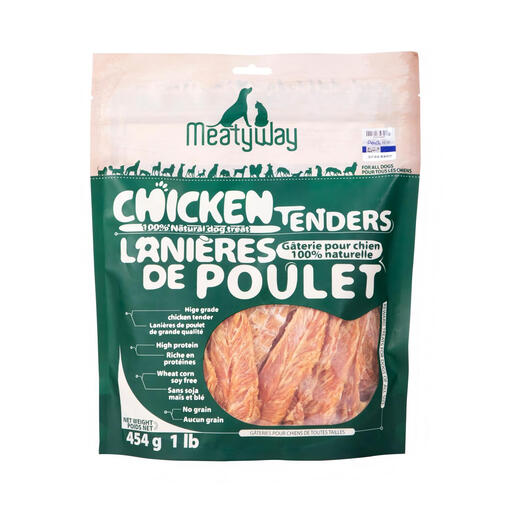
- Why It Stands Out: These treats are defined by their simplicity. Made with 100% real chicken as the primary ingredient, they are a straightforward, high-protein option without unnecessary additives. The soft, chewy texture makes them suitable for dogs of all ages and sizes.
- Pros:
- High in protein (min. 30%) and low in fat.
- Grain-free and contains no fillers or artificial preservatives.
- Soft texture is easy to break into smaller pieces for training.
- Gentle on sensitive stomachs due to the minimal ingredient list.
- Who is it for: Dog owners seeking a pure, single-protein snack for training or as a daily reward. An excellent choice for dogs with grain sensitivities or those on a high-protein diet.
Adventuros Strips Venison Wild Flavour
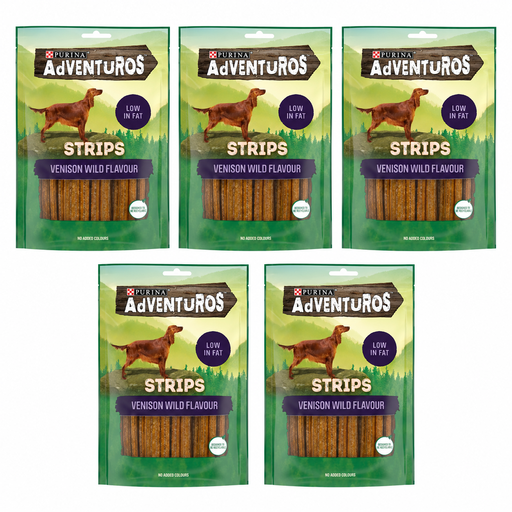
- Why It Stands Out: This multipack offers great value for daily treating. The low-fat recipe makes it a sensible choice for rewarding your dog without overdoing the calories. The wild venison flavour provides an exciting taste for dogs who enjoy richer, gamey notes.
- Pros:
- Low in fat (2.2%), making it suitable for regular rewards.
- Chewy strip texture can be given whole or easily torn into smaller pieces.
- No added artificial colours.
- Comes in a value bundle of five resealable packs.
- Who is it for: Owners of adult dogs who need a flavourful, everyday treat that supports a balanced diet. It is particularly practical for multi-dog households or for stocking up.
Lily's Kitchen Scrumptious Duck with Venison Sausages
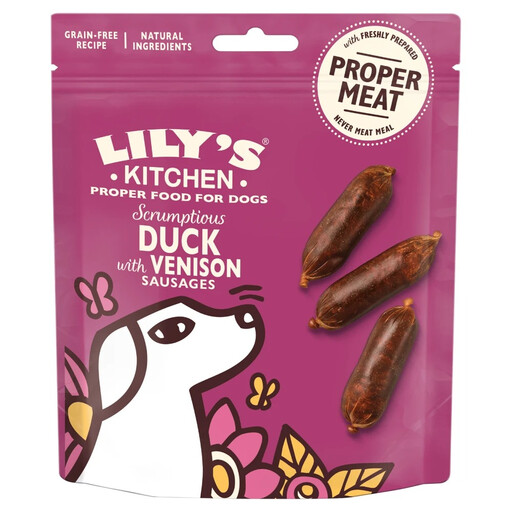
- Why It Stands Out: These sausage treats are made with a high percentage of proper meat, including freshly prepared duck and venison. The grain-free recipe and use of natural ingredients make them a rich, high-quality option for a special reward.
- Pros:
- Made with 70% duck and 4% venison for a protein-rich snack.
- Crafted to a grain-free recipe with natural ingredients.
- Satisfyingly chewy texture that dogs enjoy.
- Suitable for dogs from 4 months old.
- Who is it for: Those looking for a premium, meaty treat with a novel protein combination. A great choice for rewarding dogs with discerning palates or for owners who prioritise recipes made with freshly prepared meat.
Looking for More Options?
The right treat depends entirely on your dog's preferences and dietary profile. If you are looking for more variety, especially for a dog that requires a carefully managed diet, we have a wider selection available.
Explore our full range of Low Fat Meat Snack options to find the perfect treat for your companion.
Frequently Asked Questions
1. What makes a dog treat 'natural'?
In the context of pet food, 'natural' generally refers to treats made from ingredients sourced from plants, animals or minerals. They are typically free from artificial colours, flavours and synthetic preservatives. The focus is on minimal processing and using ingredients that are easily recognisable.
2. Are grain-free dog treats always a healthier choice?
Grain-free treats are essential for dogs with a diagnosed grain allergy or sensitivity. For these dogs, they can significantly improve digestion and overall well-being. However, for most dogs without such sensitivities, whole grains can be a nutritious part of their diet. The overall quality of all ingredients in the treat is more important than just the absence of grain.
3. How many treats should I give my dog each day?
A common guideline is that treats should not make up more than 10% of your dog's total daily calorie intake. Always check the feeding instructions on the product packaging for specific recommendations based on your dog's size and weight. To prevent weight gain, remember to adjust their main meal portion accordingly. Finally, always supervise your dog when they are enjoying a treat.


