
24/7 Customer Support

Free returns

Same-day & Next-day Delivery

Quality Guaranteed

Unlock Your Welcome Offers: FREE Delivery | Up to 80% OFF | Free 30-day JoyPlus trial
Download the APP
As dog owners, we all want to reward our companions with treats that are both delicious and wholesome. The market for natural dog treats has grown, but navigating the options can be confusing. Many products use clever marketing that can obscure what you are actually buying. This guide is designed to help you identify the common pitfalls and understand the key factors in choosing genuinely healthy dog treats for your pet.
Before you add anything to your basket, be aware of these frequent traps that can lead to a poor choice for your dog and a waste of your money.
To ensure you are buying high-quality natural dog treats, focus on these non-negotiable parameters.
The cornerstone of a healthy dog treat is its ingredient list. Look for products with a limited number of recognisable ingredients. Single ingredient dog treats are an excellent option, as you know exactly what you are giving your pet—be it 100% beef, fish or chicken. This transparency is particularly crucial for dogs with sensitive stomachs or allergies. If you are seeking hypoallergenic dog treats, a single, novel protein source (like duck or fish) that your dog has not eaten before can be a good starting point.
Many dogs thrive on a diet free from grains like wheat, corn and soy, which are common allergens and can be difficult to digest. Opting for grain free dog treats eliminates these potential irritants, making them a safer choice for dogs with known food sensitivities or digestive issues. Instead of grains, look for treats that use high-quality, digestible carbohydrates like sweet potato or peas, or even better, no fillers at all.
How a treat is made matters. Many commercial treats are baked at high temperatures, which can diminish their nutritional value. Look for treats that are air-dried or freeze-dried. These gentler methods help to preserve the natural nutrients and flavours of the ingredients without the need for artificial preservatives. Also, always consider the treat's size and texture in relation to your dog's age, breed and dental health. Hard chews may not be suitable for puppies or senior dogs with fragile teeth.
To help you make a more informed choice, we have matched some products to specific needs and owner profiles.
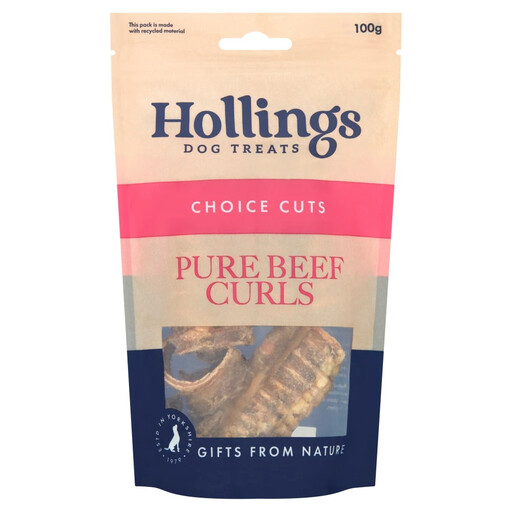
Why This Fits Their Persona: For owners of active, large-breed or ageing dogs in the UK, supporting joint health is a priority. These treats are made from beef trachea, a natural source of glucosamine and chondroitin, which are known to contribute to joint health and mobility.
This is a single ingredient dog treat (100% beef), completely avoiding the vague "natural" label and ingredient splitting traps. What you see is what you get.
Air-dried to preserve nutrients. It is also grain-free and contains no artificial additives, colours or flavours.
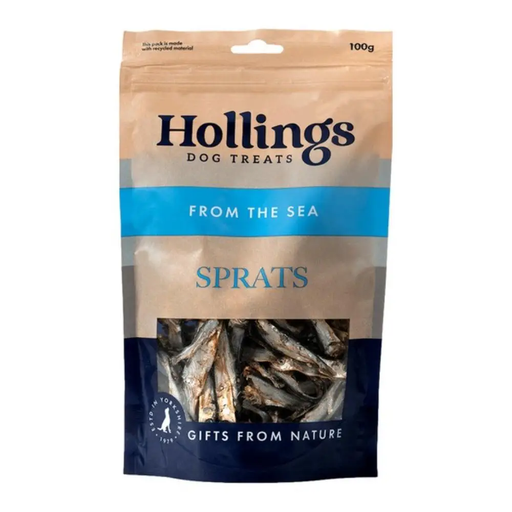
Why This Fits Their Persona: Perfect for owners managing a dog with food allergies or a sensitive digestive system. Fish is a fantastic novel protein for many dogs and is less likely to cause a reaction than more common proteins like chicken or beef.
With an ingredient list of just "Sprats (100%)", this is the definition of a transparent, hypoallergenic dog treat. There are no hidden fillers or derivatives to worry about.
Naturally rich in Omega-3 fatty acids for skin and coat health. Gently dried to retain freshness and nutritional value.
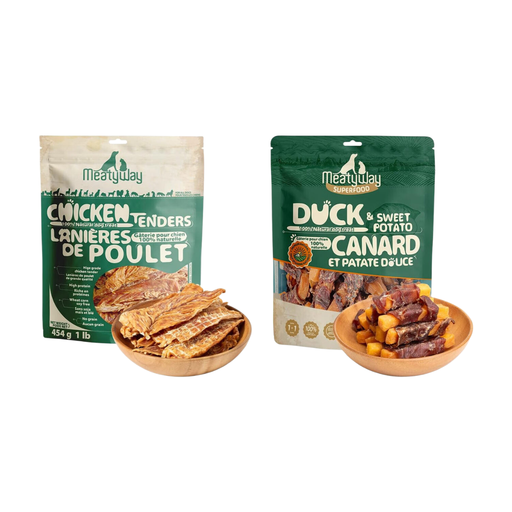
Why This Fits Their Persona: For the owner who is actively training their dog, whether for puppy classes or advanced obedience. These soft jerky treats are high-value, easy to break into smaller pieces and quick for the dog to eat, maintaining focus during sessions.
This product avoids the "ignoring the treat's purpose" pitfall. It is specifically designed as a dog training reward, with a soft texture and appropriate size to prevent overfeeding during repetitive training.
Made with real meat as the first ingredient and a minimal, hypoallergenic formula. The soft texture is suitable for dogs of all ages and sizes.
We have compiled a complete, real-time list of products that fully satisfy these strict selection criteria and UK safety regulations.
A widely accepted guideline is the 10% rule: treats should make up no more than 10% of your dog's total daily calorie intake. To follow this, check the calorie information on the treat packaging. If you give your dog several treats, remember to slightly reduce the portion size of their main meal to help them maintain a healthy weight.
For dogs with a diagnosed grain allergy or sensitivity, grain-free treats are essential. For most other dogs, the overall quality of the ingredients is more important than just the absence of grains. A treat packed with high-quality meat and vegetables is superior to a grain-free one filled with potato starch and other low-nutrient fillers. The key is to read the entire ingredient list.
When searching for hypoallergenic dog treats, prioritise products with a limited ingredient list. Look for a single, novel protein source—this is a protein your dog has not been exposed to frequently, such as duck, venison or fish. Always check the full composition to ensure there are no hidden chicken fat, beef flavouring or other common allergens that could trigger a reaction.