
24/7 Customer Support

Free returns

Same-day & Next-day Delivery

Quality Guaranteed

Unlock Your Welcome Offers: FREE Delivery | Up to 80% OFF | Free 30-day JoyPlus trial
Download the APP
Finding the right rug can feel like a difficult task. You want something that complements your décor, stands up to daily life and aligns with a more conscious way of living. If you're drawn to authentic textures and timeless style, a natural fibre rug might be the perfect addition to your home.
These rugs, crafted from materials like jute, seagrass and coir, bring an organic warmth and character that synthetic alternatives often lack. They are a popular choice for creating a boho rug aesthetic, a clean minimalist rug look, or a cosy rustic rug feel. This guide is designed to help you understand the differences between these materials and find a durable, stylish and sustainable rug that suits your space.
Before you decide, it's helpful to know what makes each type of natural fibre unique. Considering the material, shape and size will ensure you select a rug that is both beautiful and practical for your home.
The material of your rug determines its texture, durability and ideal placement.
The dimensions and shape of your rug can dramatically alter the perception of a room.
Here are a few options that stand out for their craftsmanship, materials and design.
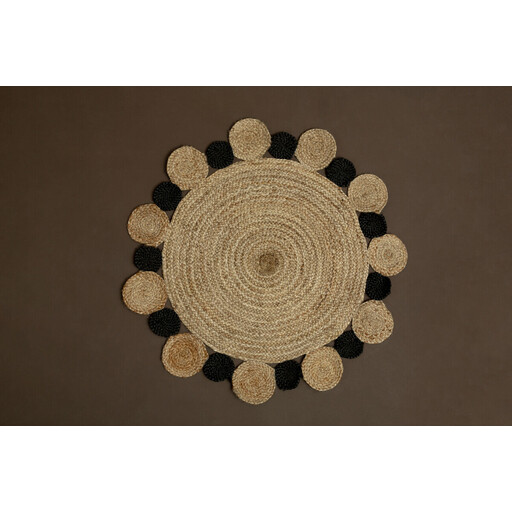
Why It Stands Out: This rug combines the softness of natural jute with a striking geometric design. The hand-woven, two-tonal concentric circles in natural and black jute create a visual focal point without overwhelming a room. Its construction from 100% jute makes it an eco-friendly rug choice.
Pros:
Who is it for?: Ideal for anyone looking to add a touch of boho or minimalist style to a smaller space. It works well in a home office, under a round coffee table, or in a quiet reading corner to define the area.
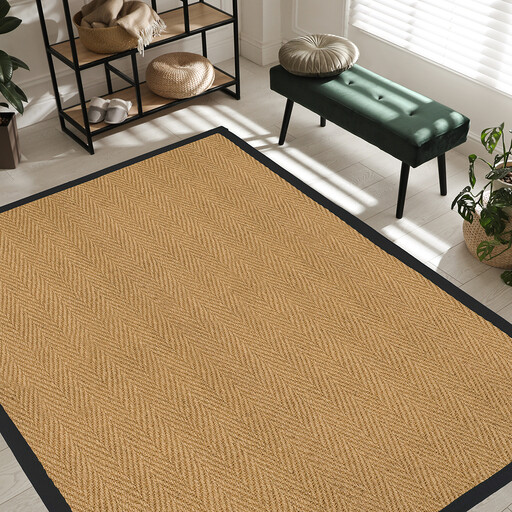
Why It Stands Out: This rug offers exceptional durability with a refined finish. The main body is woven from 100% coir in a classic herringbone pattern, providing a tough surface for busy areas. The design is framed with a neat cotton border, which softens the rustic texture and gives it a tailored, sophisticated look.
Pros:
Who is it for?: A practical choice for households that need a rug to withstand heavy footfall without sacrificing style. It’s perfect for entryways, hallways, or kitchens where durability is key.
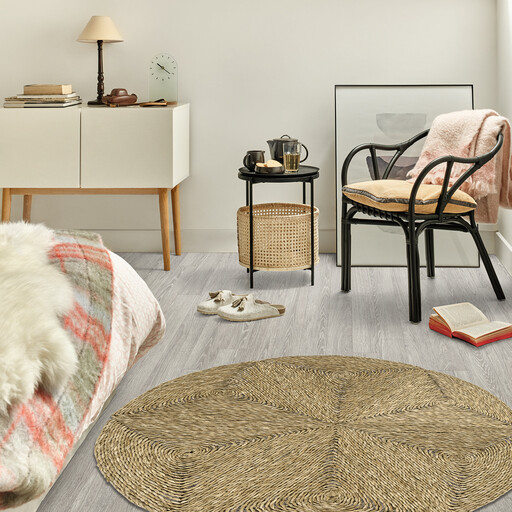
Why It Stands Out: This seagrass rug features a beautiful woven star motif that makes it a standout piece. The natural variations in the seagrass fibres mean each rug is unique, bringing an organic, coastal feel to any room. As a round rug, it helps to break up linear spaces and create a relaxed atmosphere.
Pros:
Who is it for?: Perfect for those wanting to introduce a natural, rustic or coastal element into their home. It’s well-suited for conservatories, living rooms or bedrooms where you want a durable rug with a distinctive design.
While these selections cover a range of styles and uses, you may have a specific need, such as for a long, narrow hallway. A runner rug can protect your floors and add texture and warmth to these transitional spaces.
If you're searching for a durable option for a hallway or entryway, explore our collection of brown runner rugs to find a style that fits your home.
Are natural fibre rugs hard to clean? They require a specific cleaning approach. It's recommended to vacuum them regularly (without a beater bar to avoid damaging the fibres) and to spot clean spills immediately with a damp cloth. Avoid soaking the rug, as excessive moisture can cause discolouration or damage the fibres. Materials like seagrass are naturally more resistant to stains.
Which natural fibre is the softest? Of the most common types, jute is generally considered the softest and most comfortable underfoot. This makes a jute rug a popular choice for bedrooms and living rooms. Seagrass has a smoother, harder feel, while coir is the most coarse and bristly.
Are natural fibre rugs a sustainable choice? Yes, they are often considered an eco-friendly rug option. Materials like jute, seagrass and coir are made from fast-growing, renewable plants that require fewer pesticides and fertilisers than other crops. They are also typically biodegradable at the end of their life, reducing their environmental impact compared to synthetic rugs made from plastics.