
24/7 Customer Support

Free returns

Same-day & Next-day Delivery

Quality Guaranteed

Unlock Your Welcome Offers: FREE Delivery | Up to 80% OFF | Free 30-day JoyPlus trial
Download the APP
Navigating the world of hair care can feel overwhelming. Shelves are filled with products all claiming to be the solution to your hair concerns. When it comes to choosing a natural hair conditioner, the marketing noise can be particularly loud, making it difficult to find a product that genuinely works for your hair type and aligns with your values. Many of us have been disappointed by a conditioner that promised silky, healthy hair but delivered lacklustre results.
As the Joybuy Product Recommendation Officer, my role is to help you see past the hype. We will look at the common purchasing pitfalls that lead to wasted money and dissatisfaction and then break down what really matters when selecting a conditioner.
Before you add a new conditioner to your basket, be aware of these frequent issues:
To make an informed choice, focus on these core parameters. They will help you find a conditioner that delivers on its promises and suits your hair's unique requirements.
The effectiveness of a natural hair conditioner hinges on its formulation. Different natural ingredients offer distinct benefits.
The "free-from" list is just as important as the ingredients list. Understanding these terms is key to aligning a product with your personal care philosophy.
Here are a few options that align with specific needs, helping you avoid the common pitfalls and find a suitable match.
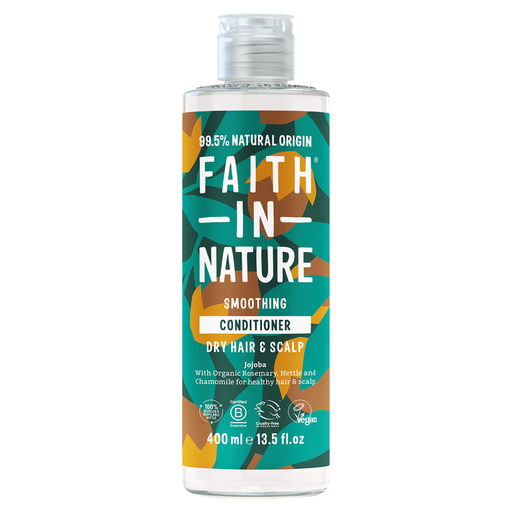
Why This Fits Their Persona: This user prioritises ethical and effective products. The formula is specifically designed for dry hair, is 100% vegan and cruelty-free and comes in recycled packaging, ticking all the boxes for a conscious consumer in the UK seeking genuine nourishment.
It avoids the "natural mirage" with a 99% natural origin formula and is free from parabens, SLS and SLES. It directly targets dry hair, avoiding the one-size-fits-all problem.
The inclusion of Jojoba butter provides deep nourishment, leaving hair soft and improving texture. It is also certified vegan and cruelty-free.
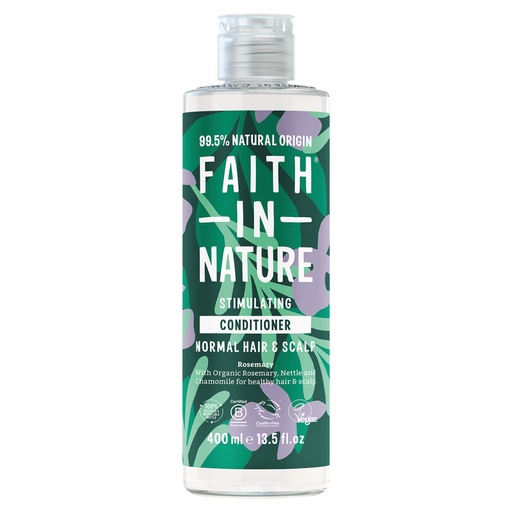
Why This Fits Their Persona: This individual needs a conditioner that won't exacerbate oiliness. This formula is specifically for normal to oily hair, using organic rosemary to soothe the scalp and provide lightweight conditioning without heavy residues.
It directly counters the one-size-fits-all trap by targeting oily hair. Its 99.5% natural origin formula is free from silicones, which can contribute to build-up and a greasy feel.
The blend of rosemary, nettle and chamomile helps to balance the scalp and promote shine without adding weight. It is also approved by The Vegan Society.
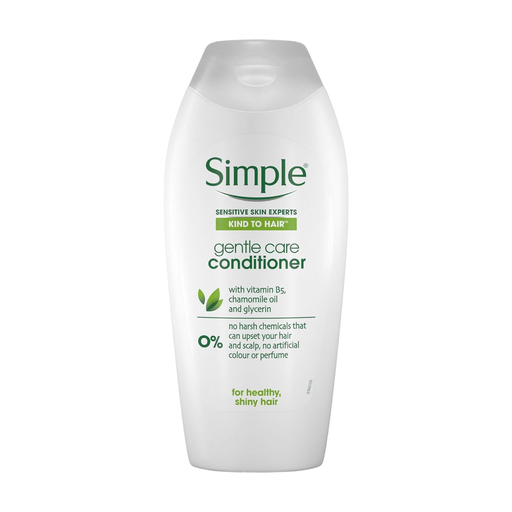
Why This Fits Their Persona: This user needs a product they can trust not to cause irritation. Simple's long-standing focus on gentle care makes this a reliable choice. It is specifically formulated and tested for sensitive skin and scalps.
It avoids the trap of overlooking "free-from" lists by explicitly stating it contains no artificial perfume or colour. It is dermatologically tested, providing a layer of assurance that "natural" alone does not.
The formula is enriched with pro-vitamin B5, calendula and chamomile oil, which are known for their soothing and nourishing properties, leaving hair soft without causing scalp discomfort.
We have compiled a complete, real-time list of products that fully satisfy these strict selection criteria and UK safety regulations.
Yes, a well-formulated natural conditioner can be just as effective, and often gentler on your hair and scalp. Traditional conditioners often rely on silicones to create a slippery, smooth feeling, which can mask underlying dryness. Natural conditioners use plant-based oils, butters and extracts to genuinely nourish and moisturise the hair shaft. The key is to choose one with ingredients that are appropriate for your specific hair type.
A rinse-out conditioner is the most common type, applied after shampooing and rinsed out after a few minutes. Its primary job is to smooth the hair cuticle, detangle and provide a quick dose of moisture. A leave-in conditioner is a lighter product applied to damp hair after washing and is not rinsed out. It provides continuous moisture, tames frizz and can help protect hair from environmental stressors throughout the day. Some versatile products can be used as both.
For most hair types, it is recommended to use a rinse-out conditioner every time you wash your hair. This helps to replenish moisture and seal the hair cuticle, which can be raised during the shampooing process. If you have very fine or oily hair, you might prefer to apply conditioner only to the mid-lengths and ends to avoid weighing down your roots.