
24/7 Customer Support

Free returns

Same-day & Next-day Delivery

Quality Guaranteed

Unlock Your Welcome Offers: FREE Delivery | Up to 80% OFF | Free 30-day JoyPlus trial
Download the APP
Navigating the supermarket aisle for a jar of peanut butter used to be simple. Now, confronted with labels shouting "natural," "high protein" and "no added sugar," it's easy to feel overwhelmed. Many products that appear healthy are not what they seem, leading to disappointment and wasted money. As the Joybuy Product Recommendation Officer, my role is to help you see past the marketing jargon and choose a product that genuinely fits your needs.
Before you add a jar to your basket, let's look at the common pitfalls that catch out even the most careful shoppers.
To ensure you're getting a high-quality product, focus on these key parameters. They are the non-negotiable details that separate a genuinely good spread from a cleverly marketed one.
The most reliable indicator of a quality natural peanut butter is a short and simple ingredient list. Ideally, it should contain one thing: roasted peanuts. Some brands add a small amount of salt to enhance the flavour, which is perfectly acceptable. However, be wary of:
This is largely a matter of personal preference, but it can impact how you use the peanut butter.
Both types can be found in high-quality, vegan peanut butter options, making them a staple for plant-based diets.
Instead of a generic list, we've matched our recommendations to specific needs and lifestyles, helping you find the right fit for your pantry.

Why This Fits Their Persona: This bulk 1kg peanut butter tub is perfect for families who go through peanut butter quickly. It offers excellent value while meeting the core requirements of a healthy diet, making it a reliable and economical pantry staple for breakfasts and snacks.
It directly counters the "Healthy Halo" and "Natural Myth" traps with an ingredient list that is simply 100% peanuts. There is no added sugar, salt or palm oil. The 1kg size also avoids the small jar surcharge.
Excellent value for a pure, single-ingredient product. The smooth texture is versatile for cooking, baking and spreading for all family members.
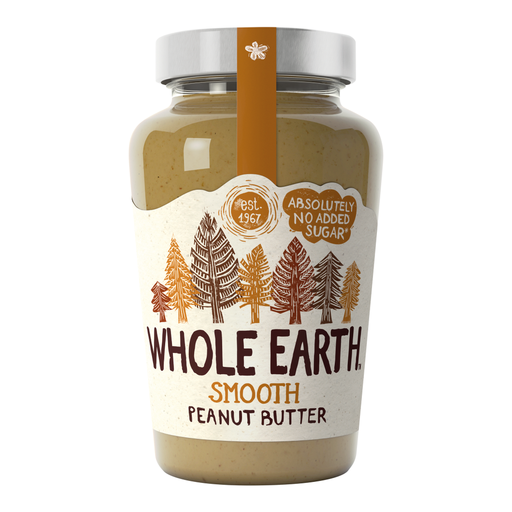
Why This Fits Their Persona: For those focused on macros and muscle repair, protein content is paramount. This peanut butter is a strong performer, delivering a substantial 29.6g of protein per 100g, making it an ideal addition to post-workout shakes or a protein-rich breakfast.
This product is made from 100% roasted peanuts, with no added sugar or oils to dilute its nutritional profile. It delivers pure, plant-based protein without any of the unwanted additives found in lesser-quality spreads.
High protein content (29.6g per 100g) and a rich, roasted flavour. The ultra-smooth texture blends effortlessly, making it perfect for shakes and recipes.
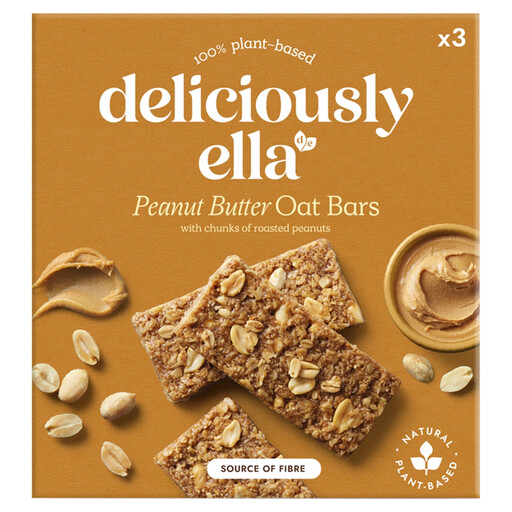
Why This Fits Their Persona: For those who love the flavour and energy of peanut butter but need a convenient, portable option, these healthy oat bars are an excellent choice. They are perfect for a pre-gym boost, an office snack or a lunchbox treat without the mess of a jar and spoon.
Unlike many snack bars that are high in refined sugars and artificial ingredients, these bars are made with a base of gluten-free oats, peanuts and peanut butter, sweetened with rice and date syrup. They offer wholesome energy from recognisable ingredients.
Combines fibre from oats with protein and healthy fats from peanuts for sustained energy. Perfectly portioned for convenient, on-the-go snacking.
We have compiled a complete, real-time list of products that fully satisfy these strict selection criteria and UK safety regulations.
This is completely normal and a good sign. Natural peanut butter made without emulsifiers or hydrogenated oils will naturally separate over time. The oil is from the peanuts themselves. Simply stir it back into the butter with a knife or spoon until it's smooth and creamy again. Storing the jar upside down in your cupboard can also help.
Generally, yes. Natural peanut butter that contains only peanuts (and perhaps a little salt) avoids the added sugars, salt and hydrogenated or palm oils found in many conventional brands. This makes it a better choice for those monitoring their sugar intake and looking for a purer source of protein and healthy fats.
Absolutely. It's a fantastic ingredient for everything from cookies and brownies to savoury sauces. Be aware that the consistency of 100% peanut butter can be a bit runnier than conventional types, especially after stirring. You may need to adjust the other liquid ingredients in your recipe slightly to get the desired texture. For sauces like a natural tahini-based dressing, this runnier consistency is often an advantage.