
24/7 Customer Support

Free returns

Same-day & Next-day Delivery

Quality Guaranteed

Unlock Your Welcome Offers: FREE Delivery | Up to 80% OFF | Free 30-day JoyPlus trial
Download the APP
Navigating the world of natural food, whether for our pets or our little ones, can feel like walking through a minefield of marketing buzzwords. Labels shout "natural," "wholesome" and "premium," but the reality inside the tin or pouch can often be disappointing. As a Product Recommendation Officer at Joybuy, my role is to help you see past the hype and focus on what truly matters. Many UK shoppers find themselves paying a premium for products that don't deliver on their promises. Let's look at the common pitfalls and how to avoid them.
To ensure you're getting genuine value and quality, focus on these key factors when reading the label. This simple checklist can save you from buyer's remorse.
First and foremost, check if the product is labelled as "complete". This confirms it's designed to be a standalone meal. This is just as relevant for natural baby meals as it is for pet food. For babies, a complete meal for weaning food 7+ months should offer a balanced mix of protein, carbohydrates and vegetables appropriate for their developmental stage. For pets, it means the food meets all their daily nutritional requirements without needing supplements.
Look past the appealing flavour name on the front and scrutinise the ingredients list on the back. High-quality food will list a specific protein source with a clear percentage, such as "Chicken (75%)" or "Lamb (10%)". Be wary of generic terms like "meat derivatives." For pets with sensitivities, a hypoallergenic pet food will often use a single, novel protein source to minimise the risk of a reaction. For those with specific ethical or dietary needs, options like vegan pet food are also available, but it's crucial to ensure they are nutritionally complete.
A core principle of natural food is the absence of artificial colours, flavours and preservatives. The ingredients list should be short and understandable. For pets, a grain-free wet dog food can be an excellent choice for those with grain sensitivities, but always check that the grains haven't simply been replaced with other low-nutrient fillers like potato starch. The focus should always be on high-quality, functional ingredients.
To help you connect these principles with real products, here are some recommendations matched to different household needs.
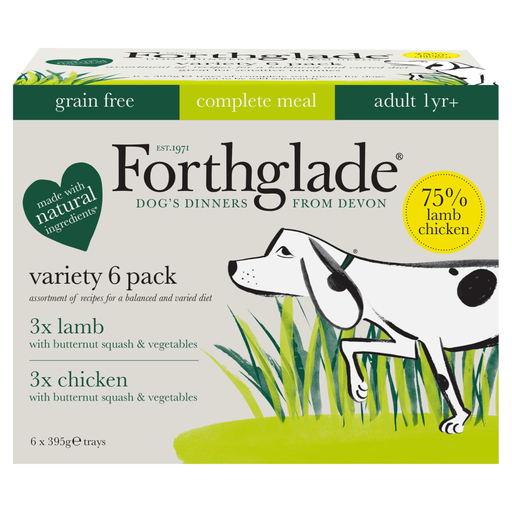
Why This Fits Their Persona: This person prioritises high-meat content and hypoallergenic recipes for their dog's sensitive stomach. They want a trustworthy, grain-free option made in the UK.
It clearly states "Lamb (75%)" or "Chicken (75%)", avoiding the vague "meat derivatives" trap. It is also explicitly labelled as a complete meal.
A grain-free, hypoallergenic recipe that is gently steamed to retain nutrients. Includes added glucosamine and chondroitin for joint support.
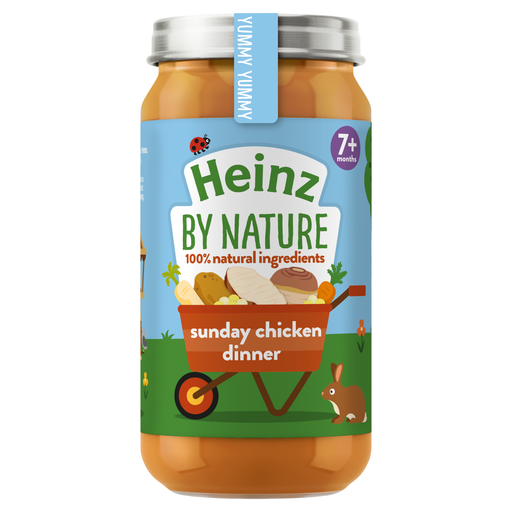
Why This Fits Their Persona: For busy parents navigating the weaning stage, this offers a simple, reliable and nutritious meal solution without the worry of hidden nasties.
It avoids the "natural" illusion with a clear promise: no added salt, sugar, artificial colours, flavours or preservatives. The ingredients are simple and recognisable.
A perfectly mashed texture designed for babies 7+ months. Provides one of a baby's five-a-day in a single, convenient glass jar.
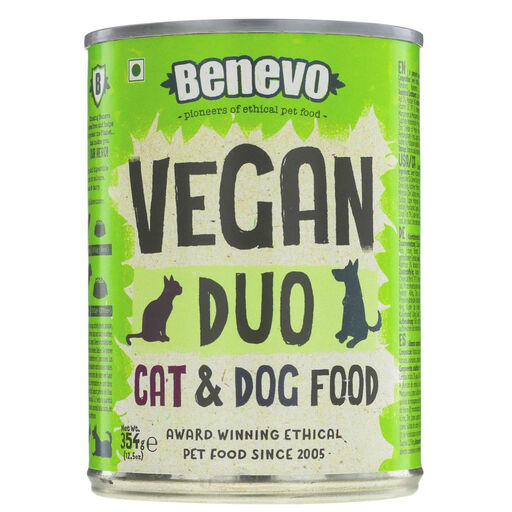
Why This Fits Their Persona: Ideal for households following a plant-based lifestyle or for pets with severe allergies to common animal proteins. This user needs a trusted, nutritionally sound vegan option.
It is explicitly labelled as a nutritionally complete vegan food for both cats and dogs, addressing the critical need for a balanced, meat-free diet.
Enriched with essential nutrients like vegan-sourced Taurine, Vitamin A and Arachidonic Acid. It is also free from common allergens like soya and wheat.
We have compiled a complete, real-time list of products that fully satisfy these strict selection criteria and UK safety regulations.
To avoid an upset stomach, it's important to transition your pet gradually. Over a period of 7-10 days, start by mixing a small amount of the new food with their old food. Slowly increase the proportion of the new food while decreasing the old food each day until you have fully switched over.
Not necessarily. A grain-free wet dog food is an excellent choice for dogs that have a diagnosed grain allergy or sensitivity. However, for most pets, high-quality whole grains can be a valuable source of energy and fibre. The most important factor is the overall quality and digestibility of the ingredients, not just the absence of one category.
While often used interchangeably, these terms have different meanings. "Natural" typically means the food is free from artificial colours, flavours and preservatives. "Organic" is a legally protected term in the UK that requires ingredients to be sourced from farms that adhere to strict standards, including no synthetic pesticides or fertilisers and high animal welfare. All organic food is natural, but not all natural food is certified organic.