
24/7 Customer Support

Free returns

Same-day & Next-day Delivery

Quality Guaranteed

Unlock Your Welcome Offers: FREE Delivery | Up to 80% OFF | Free 30-day JoyPlus trial
Download the APP
As a nation of animal lovers, we want to give our pets the very best. When it comes to treats, the word "natural" on a packet can be reassuring. However, the market for natural pet treats is crowded, and not all products are created equal. Many UK pet owners find themselves paying a premium for treats that aren't as wholesome as they seem.
Before you add that next bag of treats to your basket, it’s worth understanding a few common pitfalls. Navigating the marketing claims can help you find genuinely healthy options for your dog, cat or small animal, ensuring your money is well spent on their well-being.
The "Natural" Label Trap: The term "natural" can be ambiguous. A treat labelled as natural might still contain low-quality fillers, high levels of fat or vague ingredients like "meat and animal derivatives," which don't specify the source or quality of the protein.
Misleading Front-of-Pack Claims: A colourful packet proclaiming "made with real chicken" might catch your eye, but the reality can be disappointing. Often, the "real chicken" makes up a very small percentage of the total ingredients, with the bulk consisting of cheaper cereals or starches that offer little nutritional value.
To make an informed choice, the back of the packet is far more important than the front. Here are the key areas to focus on to ensure you're buying high-quality, healthy dog treats, cat treats or small animal chews.
The ingredients are listed by weight, so the first item on the list is the most prominent. For dogs and cats, look for a clearly named meat or fish source at the top.
For pets with sensitivities, this is also where you can verify if a product is a genuine grain free dog treat. For herbivores like rabbits and guinea pigs, look for high-fibre ingredients like Timothy hay as the primary component in their rabbit treats.
This table provides a clear, government-regulated overview of the treat's nutritional makeup. Understanding these terms is crucial for matching a treat to your pet's needs.
Consider why you are giving the treat. Is it for training, dental health or just a tasty reward?
To help you find the right fit, we've matched some options to common pet owner profiles.
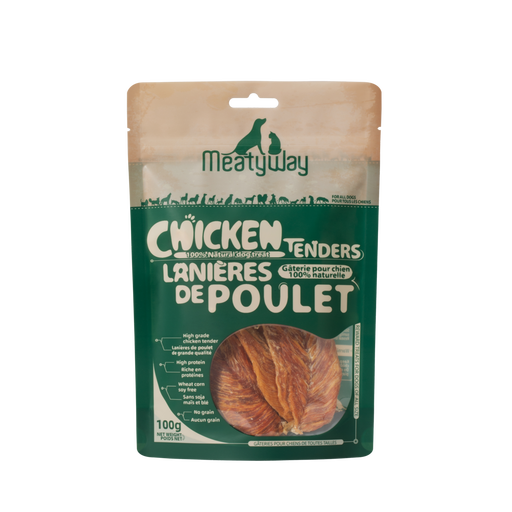
Why This Fits Their Persona: This owner prioritises simplicity and purity. They want a high-protein, grain-free snack without any confusing additives, making it perfect for dogs with sensitive stomachs or for owners who want full transparency.
It completely bypasses the "vague ingredients" trap by having only one: 100% real chicken. There are no fillers, artificial additives or hidden sugars to worry about.
A very high crude protein content (70%) supports muscle health. The soft jerky texture is easy to break for training or for smaller dogs to chew.
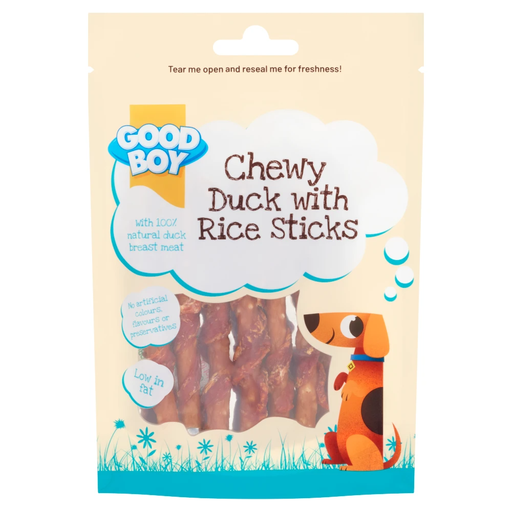
Why This Fits Their Persona: This owner needs a satisfying treat that won't contribute to weight gain. They are looking for a tasty, low-fat option that still feels like a proper reward for their dog.
It directly counters the "hidden fats" trap by clearly stating its 3% fat content. The composition is transparent, with 100% natural duck breast meat (79%) as the primary ingredient.
This is an excellent low-fat, high-protein (32%) choice. The rawhide-free recipe is also gentler on digestion compared to some traditional chews.
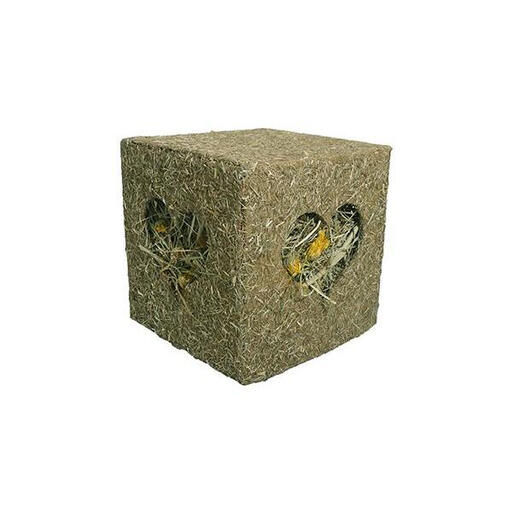
Why This Fits Their Persona: Owners of rabbits, guinea pigs and chinchillas need treats that support digestive health and dental wear. This cube provides both nutrition and enrichment, satisfying a small animal's natural instinct to forage and gnaw.
It avoids the trap of sugary, low-fibre small animal treats by being made from high-quality hay. It provides essential fibre rather than empty calories, aligning with the dietary needs of herbivores.
The high crude fibre content (30%) is excellent for gut health. Its solid form encourages prolonged chewing, which is vital for wearing down continuously growing teeth.
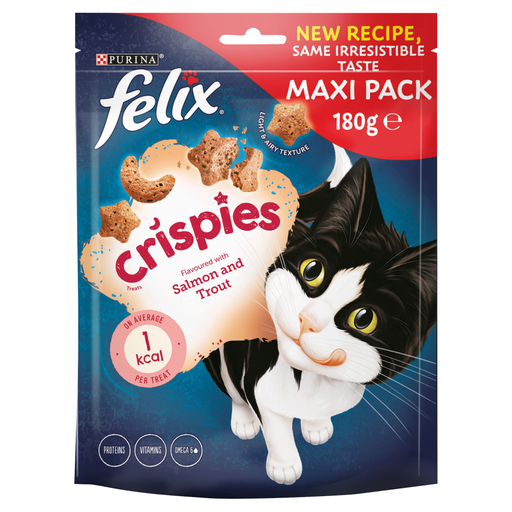
Why This Fits Their Persona: This cat owner wants a treat their feline friend will find irresistible. While they are health-conscious, palatability is the top priority for a rewarding moment. These popular Felix cat treats are known for their flavour and texture.
While cereals are the first ingredient, the product is transparently positioned as a complementary treat, not a health food. The feeding guide helps owners portion correctly to avoid over-treating.
These treats are fortified with essential vitamins (A, D? and E) and Omega-6 fatty acids to support a cat's overall well-being. The light, crispy texture is highly appealing to many cats.
We have compiled a complete, real-time list of products that fully satisfy these strict selection criteria and UK safety regulations.
The widely accepted guideline is that treats should not constitute more than 10% of your pet's total daily calorie intake. Always check the feeding instructions on the packaging, as the recommended amount will vary based on the treat's size and calorie content, as well as your pet's size and activity level. Remember to adjust their main meal portion accordingly to maintain a healthy weight.
Not necessarily. Grain free dog treats are an excellent choice for dogs that have a diagnosed grain allergy or sensitivity. However, for most dogs, high-quality whole grains can be a healthy part of their diet. The most important factor is the overall quality of the ingredients. A treat with a named protein source and no artificial fillers is a better choice than a poor-quality grain-free treat full of potato starch.
Effective dental chews for dogs work through mechanical abrasion. Look for a treat with a firm, durable texture that encourages your dog to gnaw for an extended period. This chewing action helps to scrape away plaque and tartar from the tooth surface. Some chews also feature unique ridges or shapes designed to clean hard-to-reach areas. Always supervise your dog when they have a dental chew to prevent any choking risk.