
24/7 Customer Support

Free returns

Same-day & Next-day Delivery

Quality Guaranteed

Unlock Your Welcome Offers: FREE Delivery | Up to 80% OFF | Free 30-day JoyPlus trial
Download the APP
Choosing natural pet treats is not simply a matter of picking a packet with a countryside image or words such as “premium” and “wholesome”. The right choice depends on your pet’s species, age, diet, activity level and the purpose of the treat.
Whether you need dog training treats, puppy rewards, high-protein snacks, rabbit treats or enrichment for guinea pigs, the label deserves closer attention than the front of the pack.
Natural ingredients can still be calorie-dense, unsuitable for a particular species or inappropriate in large quantities. For example, a meat treat may suit a dog or cat but not a rabbit, guinea pig or other herbivore. Equally, a flower, seed or hay snack may be appropriate for small animals but provide no useful role in a dog’s diet.
Treats should remain complementary to a complete, balanced diet. Check the stated species, minimum age and feeding guide before buying.
Front-of-pack descriptions can highlight chicken, herbs or flowers while giving less attention to cereals, binders, flavourings, salt or preservatives. Look for the composition, additives and analytical constituents panels.
Some products marketed as chicken dog treats contain only a small proportion of chicken alongside other meat derivatives. This is not necessarily a problem, but it matters if you are specifically seeking a single-protein or limited-ingredient option.
Never give pets seasoned human food as a substitute. Ingredients such as salt, garlic, sauces and flavour enhancers can make human snacks unsuitable for animals.
Edible gnawing logs and baked sticks are designed to provide activity as well as food. They still require supervision, secure placement and regular replacement. A damaged, soiled or excessively worn item should be removed rather than left in the enclosure.
Start with the intended use:
A single-ingredient product is easier to assess. Waita Freeze Dried Chicken Cubes, for example, list 100% chicken breast, with declared crude protein of at least 72%, crude fat of at least 2% and moisture of no more than 6%. These figures describe the product; they do not replace a complete diet.
For small herbivores, fibre is particularly important when comparing treats. Rosewood Naturals Meadow Hay Cookies list 100% meadow hay and 32% crude fibre. A product with a higher fibre figure may be more suitable for a hay-focused treat routine than a sugary or heavily coated snack, but the daily amount still matters.
Texture should match the animal and the occasion. Soft puppy treats can be easier for younger dogs to chew, while firm sticks and logs encourage gnawing. Freeze-dried pieces can usually be served whole, broken into smaller rewards or crumbled over food.
Check whether the pack is resealable and follow the storage instructions. Most dry natural small animal treats should be kept in a cool, dry place away from moisture. Once opened, inspect products regularly for mould, stale odours or contamination.
The label should also provide a feeding guide. Adjust the main meal if treats contribute meaningful calories, particularly for smaller dogs, indoor cats and animals prone to weight gain.
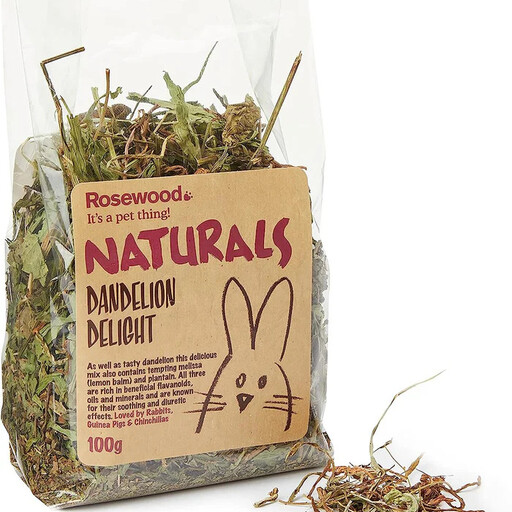
Why This Fits Their Persona: A single-ingredient option for owners beginning to compare natural small animal treats for adult rabbits, guinea pigs and hamsters.
The composition is listed as 100% dandelion, making it straightforward to identify what you are buying.
100g resealable pack; declared crude fibre is 15%, with guidance of 2–3 pieces daily.
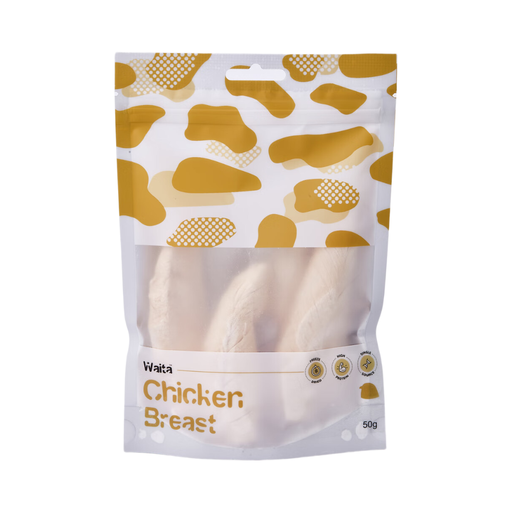
Why This Fits Their Persona: Suitable for owners who prioritise a whole-cut, limited-ingredient protein treat for cats or dogs over three months old.
Its declared composition is 100% chicken breast, without artificial additives listed.
At least 72% crude protein; pieces can be broken up, crumbled as a topper or rehydrated.
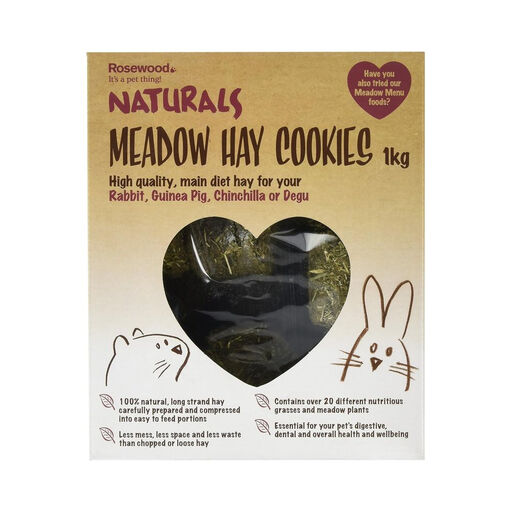
Why This Fits Their Persona: A large-format choice for multi-pet households with rabbits, guinea pigs, chinchillas and other small herbivores.
The product is clearly described as a supplemental treat, rather than a replacement for the animal’s main diet.
1kg quantity; 32% declared crude fibre and feeding guidance of 1–2 cookies daily per animal.
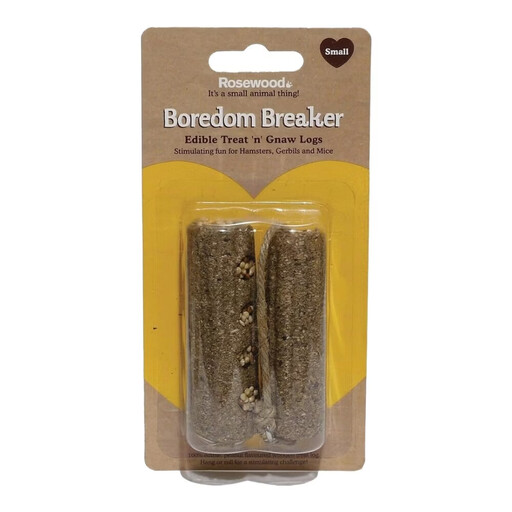
Why This Fits Their Persona: Designed for owners seeking a chew-based activity for rabbits, guinea pigs, rats and chinchillas in an enclosure.
It is presented as an edible enrichment log with a supplied hanger and cage clip, rather than an ordinary loose snack.
Contains finely chopped pine wood, alfalfa, grains, carrot and apple; remove when damaged or soiled.
We have compiled a complete, real-time list of products that fully satisfy these strict selection criteria and UK safety regulations.
For dogs needing a novel protein, Waita Freeze Dried Quail Whole Pieces contains 100% quail and provides a different option from standard chicken dog treats. For younger dogs, Webbox 5 Tasty Sticks with Chicken is labelled for puppies from three months, but its feeding instructions and supervision warning should be followed carefully.
Owners seeking a breakable reward can also consider Waita Freeze Dried Chicken Cubes or Waita Air Dried Chicken Fillet. The latter is listed as 100% chicken breast and can be torn into smaller pieces for training or used as a food topper.
For small animals, Rosewood Naturals Sunflower & Chamomile Sticks and Cornflower & Daisy Sticks provide baked textures with herbs, flowers, vegetables or seeds. Offer these alongside normal hay and species-appropriate food, not instead of them.
Garden visitors require a separate approach. Wild bird food balls should be placed where cats cannot easily reach feeding birds, and feeders should be cleaned regularly to reduce contamination.
Not automatically. “Natural” describes ingredients or processing, not a guaranteed nutritional outcome. Compare the composition, calories where provided, fat, fibre, additives and feeding instructions. A treat is suitable when it matches the species and fits sensibly within the overall diet.
Follow the product label and reduce the main meal if necessary. Weight, age, activity and treat size all affect the appropriate amount. Break larger treats into smaller pieces for training, and supervise dogs to reduce choking risks.
Keep them sealed in a cool, dry place away from direct sunlight and moisture. Provide fresh drinking water, especially when feeding dry or freeze-dried products. Discard any treat that becomes damp, mouldy, unusually soft or contaminated.