
24/7 Customer Support

Free returns

Same-day & Next-day Delivery

Quality Guaranteed

Unlock Your Welcome Offers: FREE Delivery | Up to 80% OFF | Free 30-day JoyPlus trial
Download the APP
As a nation of animal lovers, we want to reward our pets with treats that are not only delicious but also genuinely good for them. However, the search for natural pet treats in the UK can feel like navigating a minefield of confusing labels and clever marketing. Many well-intentioned owners find themselves buying products that aren't as wholesome as they appear.
As the Joybuy Product Recommendation Officer, my role is to help you see past the hype. Before you buy pet treats online, let's look at two common pitfalls that can lead to poor choices for your furry, scaled or feathered family members.
To make an informed choice, you need to become comfortable with reading the back of the packet. Here are the three most important sections to analyse.
This is the most revealing part of the packaging. Ingredients are listed in descending order by weight, so the first few items make up the bulk of the treat.
This table gives you a breakdown of the nutritional content. While it looks technical, it provides a clear, objective measure of what you're feeding your pet.
Beyond basic nutrition, many modern treats include ingredients for specific benefits. If your dog is anxious, you might look for calming dog treats containing botanicals like chamomile or valerian root. For training, you'll want something highly palatable and easy to portion, like specific puppy training treats.
Instead of a generic list, we've matched some excellent options to the specific needs of UK pet owners.
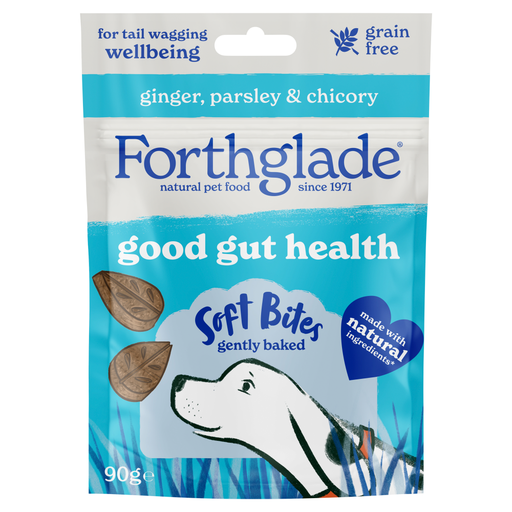
Why This Fits Their Persona: This owner prioritises gut health and wants a treat that does more than just taste good. They are looking for grain-free, functional options for their dog, who may have a sensitive stomach.
It sidesteps the "natural but empty" trap by being a functional treat. The grain-free recipe with added ginger, parsley and chicory root is specifically designed to support digestion, not just act as a filler.
Made with 100% natural ingredients and no junk or fillers. The soft-bite texture is easy to break for smaller dogs or puppies (2 months+).
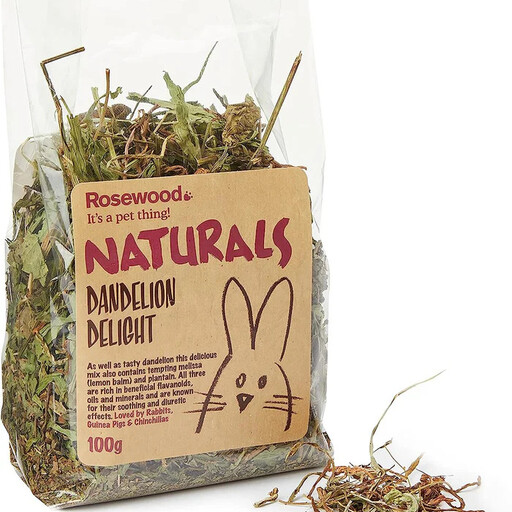
Why This Fits Their Persona: This owner of a rabbit, guinea pig or hamster is extremely cautious about ingredients. They need a treat that is 100% species-appropriate and supports the unique digestive and dental needs of a small herbivore.
This product completely avoids the "one-size-fits-all" trap. It is made from a single ingredient—100% dandelion—which is a natural and healthy part of a small herbivore's diet, unlike many generic, cereal-based small pet treats.
Rich in vitamins and minerals, with a high Crude Fibre content (15%) to aid digestion. The crunchy texture also promotes natural chewing behaviour to support dental health.
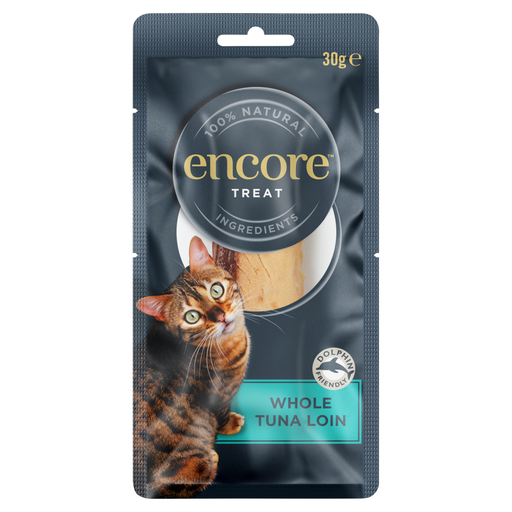
Why This Fits Their Persona: This cat owner wants a simple, high-quality and highly palatable treat. Their priority is finding something their picky cat will actually eat, without resorting to treats full of artificial additives or fillers.
It perfectly counters the "natural label" trap. With only one ingredient—100% tuna loin—there is no room for hidden fillers, cereals or artificial additives. What you see is exactly what you get.
Extremely high palatability for fussy eaters. It's a natural source of Omega-3 fatty acids, which help to nourish a cat's skin and coat, providing a health benefit alongside a delicious taste.
We have compiled a complete, real-time list of products that fully satisfy these strict selection criteria and UK safety regulations.
Most manufacturers recommend that treats should not make up more than 10% of your pet's daily caloric intake. Always check the feeding guide on the packaging, as the recommended amount will vary based on the treat's calorie density and your pet's size, age and activity level. When in doubt, treat sparingly.
Not necessarily for every pet. Grain-free diets are essential for pets with diagnosed grain allergies or sensitivities. For most other pets, whole grains can be a healthy source of nutrients. However, many owners choose grain-free options like Forthglade soft bites to avoid the low-quality, processed grain fillers found in cheaper treats, opting instead for recipes based on meat, fish or vegetables.
The most reliable method is to ignore the marketing claims on the front and go straight to the composition list on the back. Look for a short list of recognisable, whole-food ingredients. If the list is long and full of chemical-sounding names, "derivatives" or unspecified "cereals", it is likely less natural than a product with a simple, clear ingredient list.