
24/7 Customer Support

Free returns

Same-day & Next-day Delivery

Quality Guaranteed

Unlock Your Welcome Offers: FREE Delivery | Up to 80% OFF | Free 30-day JoyPlus trial
Download the APP
Making conscious choices about personal care products has become a priority for many of us. When it comes to period care, the shift towards natural tampons is driven by a desire for transparency in ingredients and a commitment to reducing our environmental footprint. If you're navigating the options and looking for products free from unnecessary plastics, fragrances and chlorine bleaching, this guide is designed to help you find a suitable match for your needs.
As a Joybuy Product Recommendation Officer, my role is to filter through the available information and present clear, practical advice to help you make an informed decision.
With a growing market for eco-friendly tampons, knowing what to look for can simplify your choice. Here are a few key considerations.
The core of the tampon is what matters most for absorption and comfort. Many people are moving away from conventional materials towards more natural alternatives.
The applicator is a major source of plastic waste in conventional period products. Natural alternatives offer more sustainable solutions.
Choosing the correct absorbency is crucial for both comfort and safety. Options typically range from light to super plus. Using tampons for heavy flow, such as those with super absorbency, is appropriate for the heavier days of your cycle. However, it is always recommended to use the lowest absorbency needed for your flow and to change your tampon every 4 to 8 hours. This helps to reduce the risk of Toxic Shock Syndrome (TSS), a rare but serious condition associated with tampon use.
Here are a few products that stand out for their materials, design and commitment to more sustainable period care.
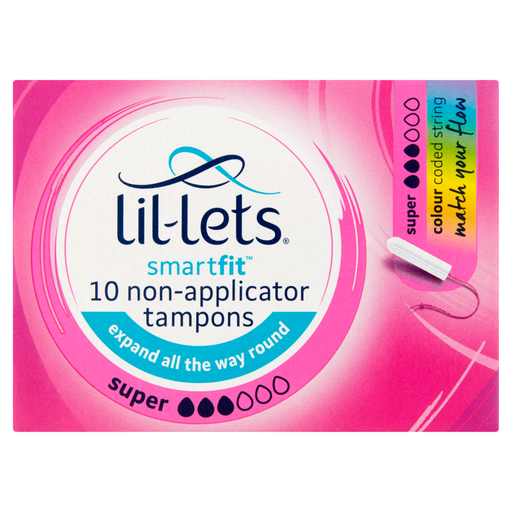
Why It Stands Out: The Lil-Lets Smartfit tampon is designed for reliable protection. Its key feature is the way it expands widthways to fit your natural shape, providing a comfortable and secure barrier against leaks. As a non-applicator tampon, it represents a significant reduction in packaging and waste.
Pros:
Who is it for? This is an ideal choice for individuals who are comfortable with non-applicator tampons and prioritise minimal waste. Its super absorbency makes it well-suited for managing a heavy flow.
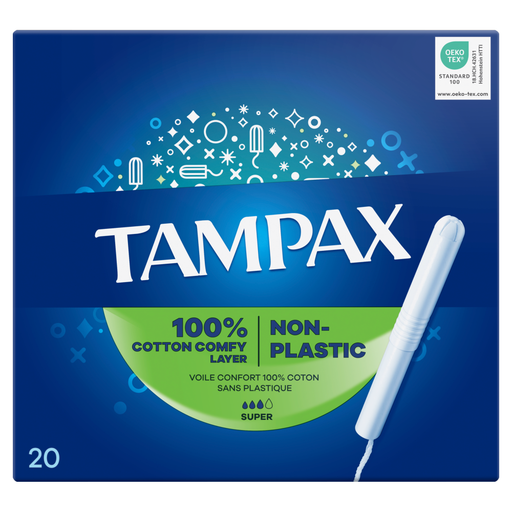
Why It Stands Out: Tampax offers a familiar and trusted design with a more sustainable focus. These tampons replace the common plastic applicator with a biodegradable cardboard applicator, making them a great transitional product for those moving towards eco-friendly tampons. The addition of a Protective Skirt offers an extra layer of leak defence.
Pros:
Who is it for? This product is well-suited for users who prefer the ease of an applicator but want to make a more environmentally conscious choice by avoiding plastic. It’s a practical option for reliable protection on heavy-flow days.
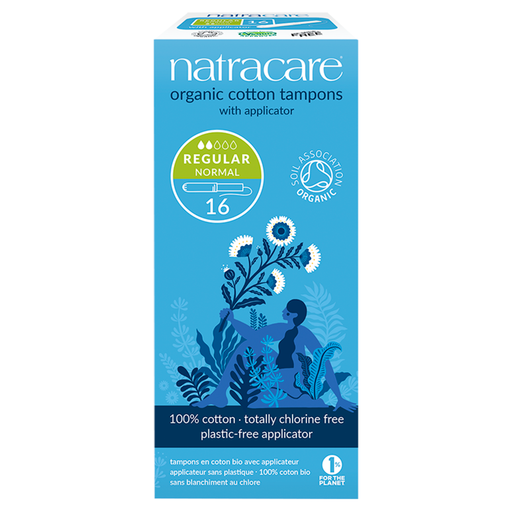
Why It Stands Out: Natracare is a brand built on environmental and ethical principles. These tampons are made from 100% organic cotton, making them a leading choice for those who prioritise certified organic materials. The entire product, including the tampon and the plastic-free cardboard applicator, is compostable.
Pros:
Who is it for? This is the perfect choice for the highly environmentally and health-conscious consumer. If you are looking for a product that is certified organic, plastic-free and fully compostable, Natracare meets those standards.
Personal care is a very individual journey, and what works for one person may not be the right fit for another. If you'd like to explore a wider selection of tampons, pads and other sustainable period care items, there are many more choices available.
Explore Our Full Range of Menstrual Products & Intimate Care
Are organic cotton tampons better? Organic cotton tampons are made from cotton grown without synthetic pesticides and are typically processed without chlorine bleach. This can make them a preferable option for individuals with sensitive skin or those who wish to avoid potential chemical residues. While "better" is subjective, they offer a clear, transparent choice for those prioritising natural materials.
Can you flush cardboard applicator tampons? No, you should not flush tampons or their applicators, including those made of cardboard. While cardboard is biodegradable, it does not break down quickly enough to be processed by UK wastewater systems and can contribute to blockages. Always dispose of used tampons and applicators in a sanitary bin or with household waste.
What are the benefits of non-applicator tampons? The primary benefits of non-applicator tampons are environmental and practical. They create significantly less waste as there is no applicator to dispose of. They are also much smaller and more discreet to carry, making them a convenient option for travel or carrying in a small purse.