For repeated keyboard-navigation tests at a fixed desk, a UK-layout keyboard with readily accessible test keys is a straightforward starting point; a wired full-size model avoids wireless setup, while an illuminated or multi-device model may better suit changing light or several test devices. Keyboard lighting helps with physical keys, not focus on the monitor: check the page’s focus indicator and navigation behaviour on the actual screen beside the window.
Who is this keyboard for?
The right arrangement depends on whether you spend most of the session moving through one site, switching test devices or documenting issues between checks.
Keyboard-only accessibility testers
If you repeatedly use Tab, Shift+Tab and activation keys to check a service, prioritise a layout that makes your regular controls easy to reach. The Department for Work and Pensions Accessibility Manual describes these interactions as part of a keyboard test; W3C guidance separately addresses visible on-screen focus.
Multi-device QA testers
If a session moves between test devices, device switching or configurable keys may help organise your own workflow. Those conveniences do not replace checking each page’s keyboard behaviour and focus state.
Long-session testers
If testing is followed by lengthy issue reports and retests, consider whether a low-profile or split arrangement suits your typing preferences. Check how its shape accommodates the navigation keys and shortcuts you use regularly.
What matters when choosing?
Start with the controls your test routine needs, then assess screen visibility beside the window. Consider device switching and typing comfort according to how you work; neither changes whether the tested page provides visible focus.
| Concern |
What to check |
Who this matters to |
| Access to test keys |
Check the selected UK layout against your regular navigation keys and shortcuts; decide whether you want dedicated keys rather than layered controls. |
If I move through interactive elements repeatedly, I want familiar controls without interrupting each pass to find a key combination. Around 36% of consumers put direct access to test keys first. |
| Visible screen focus |
Inspect the page’s focus indicator on the actual display in window light; assess physical-key illumination separately. |
Beside a bright window, I need to tell which on-screen control will receive my next keystroke, even if I can see the keyboard clearly. For around 29% of consumers, visible screen focus is the primary concern. |
| Cross-device workflow |
Check connection and device-switching options against your equipment, and confirm that any remapping works with your setup. |
Moving between test devices makes repeated keyboard swaps disruptive to my workflow. Roughly 21% of consumers chiefly value cross-device convenience. |
| Typing comfort |
Consider the key profile and physical arrangement, including desk space and any adjustment needed for a split layout. |
When testing leads into long periods of writing and retesting, I care most about an arrangement I can use comfortably. Around 14% of consumers make long-session comfort their first priority. |
Mistakes to avoid
-
Expecting backlit keys to fix screen glare
Keyboard lighting affects the physical keys. W3C guidance says keyboard-operable interfaces need a mode in which the focus indicator is visible; lighting under the keys cannot show which page element has focus.
Check focus on the display beside the window. If reflected light makes it hard to see, address the screen position or lighting separately from your keyboard choice.
-
Ordering a different regional layout
Joybuy’s UK keyboard guidance notes that US and UK layouts can differ in key positions and symbols. A generic product photo may not identify the variant you will receive.
Confirm the selected product variant says UK layout or UK ISO if those are the key positions you expect.
-
Relying on automated checks alone
GOV.UK Service Manual guidance calls for automated tools and manual tests together. Buying a keyboard does not reveal how a site behaves when someone navigates it without a mouse.
Make a keyboard-only pass through the interactions you need to assess, checking focus order, activation and whether focus becomes trapped.
-
Choosing a compact layout without checking your test controls
A smaller arrangement may place keys used in your routine behind secondary functions. Whether that matters depends on your actual commands, not the layout name alone.
Compare the selected layout with the navigation keys and browser shortcuts you use before ordering.
Relevant keyboard brands
These brand examples illustrate different keyboard arrangements and features, not a ranking of manufacturers. Check the exact model and regional variant rather than assuming a feature applies across a brand’s range.
Keychron
The C2 Pro 8K ISO range is relevant if you want a wired, full-size mechanical arrangement for a fixed test desk.
- Keychron describes the C2 Pro 8K as a full-size wired keyboard with QMK support.
- Confirm the selected UK/ISO variant and switch option before choosing it for your routine.
Logitech
MX Keys S is relevant when you work across devices or want illuminated physical keys as room light changes.
- Logitech describes backlighting that adjusts to its surroundings and switching across up to three devices.
- Its key lighting does not establish whether focus is visible on the tested website.
Kensington
KB100 EQ is a conventional wired option for a test station where a full-size ISO arrangement is the priority.
- Kensington specifies an ISO full-size layout and USB-A connection for the KB100 EQ.
- If illuminated key legends are important, check that requirement against the exact keyboard you select.
Razer
The Ornata V3 is relevant if you also want a low-profile keyboard with a UK-layout option and RGB lighting.
- Razer lists a UK-layout Ornata V3 variant.
- Lighting and gaming-oriented features do not demonstrate that a website passes keyboard-accessibility checks.
HP
The 960 Ergonomic Wireless Keyboard is relevant if you prefer a split arrangement and flexible placement of a separate numeric keypad.
- HP describes split zones, a separate keypad and 20 programmable keys on this model.
- Its arrangement changes where you reach for keys, so consider how it fits your established test commands.
Joybuy keyboards for this task
These keyboards cover UK-labelled wireless layouts, compact options and a wired keyboard-and-mouse set. Choose against the keys and connections your testing routine requires, and check on-screen focus separately whichever keyboard you use.
 No image available
Hyper® HyperSpace Next Bluetooth Wireless Keyboard (UK), White
Consider this if a UK-labelled wireless keyboard fits a testing setup that moves between devices.
The product title identifies Bluetooth connectivity and a white UK variant. Confirm the exact key arrangement before ordering; keyboard lighting, if needed, is a separate check from focus visibility on the screen.
View on Joybuy
 No image available
ASUS ROG Strix Scope II 96 Wireless Keyboard, UK Layout, Black
Consider this UK-layout wireless model if its more compact key arrangement suits your test commands.
Check the positions of the navigation keys and your regular shortcuts before choosing it in place of a conventional full-size board. Confirm the selected variant’s switches and keycaps if those details matter to you.
View on Joybuy
 No image available
Targus EcoSmart™ Full Size Wireless Keyboard (UK)
Consider this if you want a UK-labelled full-size layout without committing to a wired desk setup.
Its title identifies a wireless keyboard. If seeing physical key legends in changing light is important, check the selected product’s lighting features before buying; also inspect website focus on your monitor.
View on Joybuy
 No image available
HyperX Alloy Rise 75 Wireless Keyboard UK
Consider this compact wireless model if you can use its arrangement for repeated navigation checks.
The title identifies a UK variant, but confirm the exact physical layout and the positions of the keys in your test routine. Assess physical-key readability and on-screen focus separately at the bright-window workstation.
View on Joybuy
 No image available
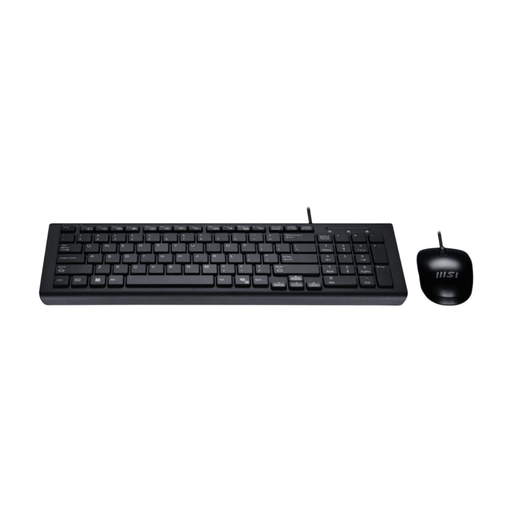
MSI GK-701 Office Keyboard and Mouse Set, USB, UK Layout, CoPilot Key, Black
Consider this set for a fixed desk where you want a UK-layout USB keyboard; use the keyboard alone for keyboard-only test passes.
The title identifies the included mouse and CoPilot key. Check the keyboard’s physical arrangement against your test controls, and confirm lighting features if you need illuminated legends.
View on Joybuy
Common questions
Will a backlit keyboard solve the visibility problem beside a bright window?
No: backlighting helps you identify physical keys, but it does not change the website’s focus indicator. Check the page on the actual display in window light and address glare separately if it obscures the focused control.
What should I test once I have a keyboard?
Move through interactive elements with Tab and Shift+Tab, then check activation, relevant arrow-key interactions and ways to leave dialogs or menus. Follow the journey without a mouse to assess focus order, visible focus and whether you become trapped; the Department for Work and Pensions Accessibility Manual describes Tab, Shift+Tab and Enter among its keyboard-testing controls.
Do I need a full-size keyboard for accessibility testing?
No. What matters is whether you can reliably carry out the interactions you need to test. A full-size layout may make familiar navigation keys more convenient, while a compact layout can work if its key positions and secondary functions suit your routine.
Should I choose a UK or US layout?
Choose the layout that matches the key positions and symbols you expect to use. Joybuy’s UK keyboard guidance notes differences between UK and US layouts, so confirm the selected regional variant rather than relying on a generic product image.


