
24/7 Customer Support

Free returns

Same-day & Next-day Delivery

Quality Guaranteed

Unlock Your Welcome Offers: FREE Delivery | Up to 80% OFF | Free 30-day JoyPlus trial
Download the APP
The promise of at-home light therapy is compelling: a non-invasive way to address signs of ageing and skin blemishes from the comfort of your living room. Yet, the market for devices like the near-infrared LED face mask is crowded with technical jargon and ambitious marketing claims. Many UK shoppers invest in a device only to find it uncomfortable, impractical or not aligned with their skin goals.
Before you make a purchase, it is crucial to understand the common pitfalls that lead to disappointment. Here, as the Joybuy Product Recommendation Officer, I will outline the key traps to watch for and the essential features that truly matter.
Navigating the options can be confusing. Here are three frequent issues that can make an expensive device gather dust on a shelf.
To make a smart investment, focus on the technical specifications that deliver performance and usability. Here are the non-negotiable factors to analyse.
Understanding the different light spectrums is essential for choosing a device that targets your specific concerns.
The material of the mask directly impacts its effectiveness and how often you will use it. Look for masks made from flexible, biocompatible silicone. This material allows the device to contour closely to your unique facial structure, ensuring the LEDs are at an optimal distance from the skin for even light distribution. Adjustable straps are also a must for a secure and comfortable fit.
For a device to become part of your routine, it must be effortless to use. A wireless LED face mask with a rechargeable battery offers the freedom to use it anywhere. Also, look for smart features like:
Instead of a generic list, we have matched products to specific user needs. This helps you find a device that not only has the right features but also fits your lifestyle.
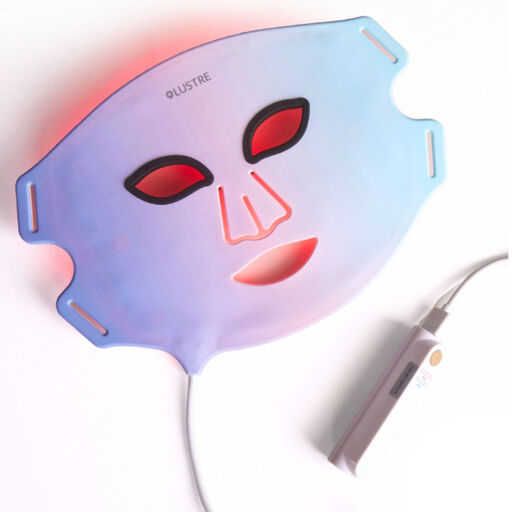
Why This Fits Their Persona: Ideal for those new to light therapy who want to address both early signs of ageing and occasional breakouts. It provides the two most essential light therapies without the complexity or cost of more advanced models, making it a practical first step.
Its flexible silicone body avoids the "uncomfortable rigid fit" trap, and it clearly specifies its Red (640nm) and Blue (465nm) wavelengths, countering the "vague claims" pitfall.
Offers dual-light functionality in one simple, rechargeable device. The 10-minute auto shut-off makes sessions effortless.
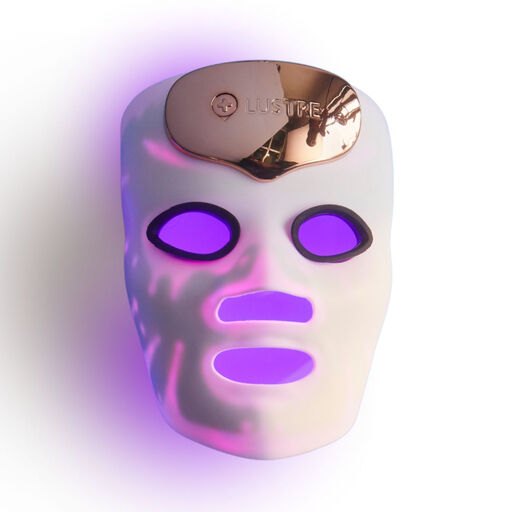
Why This Fits Their Persona: This user wants the most advanced technology for targeted anti-ageing. They value data, customisation and convenience, and are looking specifically for the benefits of near-infrared light combined with smart features.
As a wireless device, it completely avoids the "tethered inconvenience" trap. It offers three distinct, specified wavelengths, including Near-Infrared (830nm), and the app control provides a highly personalised experience.
Features triple-wavelength technology and smart app personalisation for a tailored treatment. Its flexible, wireless design offers maximum comfort and convenience.
We have compiled a complete, real-time list of products that fully satisfy these strict selection criteria and UK safety regulations.
1. How often should I use an LED face mask? Most manufacturers suggest a frequency of 3 to 5 times per week, with each session lasting between 10 and 20 minutes. Consistency is generally considered more important for achieving visible results than the length of individual sessions. Always consult and follow the instruction manual provided with your specific device.
2. Is near-infrared light safe for at-home use? At-home LED devices are engineered for consumer safety and operate at much lower energy levels than the equipment used in professional clinics. When used according to the manufacturer's directions, near-infrared light is not considered harmful. Reputable masks will include features like built-in eye shields and automatic shut-off timers. It is essential to read the list of contraindications before your first use.
3. Can I use my regular skincare products with an LED mask? The standard recommendation is to use an LED mask on clean, dry skin to ensure optimal light penetration. Applying the mask after your skincare can create a barrier. Furthermore, certain active ingredients, such as retinoids or some acids, may increase skin photosensitivity. It is advisable to complete your light therapy session first, and then proceed with applying your serums, moisturisers and other treatments.