
24/7 Customer Support

Free returns

Same-day & Next-day Delivery

Quality Guaranteed

Unlock Your Welcome Offers: FREE Delivery | Up to 80% OFF | Free 30-day JoyPlus trial
Download the APP
Long hours at a desk, commuting, travel and poor sleeping positions can leave the neck and shoulders feeling tight. A neck massager may provide convenient relaxation at home or in the office, but choosing one based only on heat settings or impressive massage terminology can lead to an unsuitable purchase.
The most useful comparison is between the device’s massage method, power source, fit, safety controls and your intended routine. A compact EMS device may suit an office worker, while a mains-powered Shiatsu model could be more appropriate for longer home sessions. A travel pillow, meanwhile, supports the neck but does not provide powered massage.
Terms such as “9D”, “6D”, “professional touch” and “deep tissue neck massage” describe design or marketing language rather than a universal performance standard. Check what physically makes contact with the neck:
A neck and shoulder massager can be uncomfortable if the shape does not follow your neck or if the nodes press on the wrong area. Look for an adjustable strap, contoured U-shape or flexible construction. For a heated neck massager, check whether the heat is optional and whether the device has a timer or automatic shut-off.
Some electric neck massagers are mains powered, which can limit movement. Cordless neck massager designs are more convenient around the home, but battery runtime and charging requirements matter. A travel-friendly model should also be light enough to pack without becoming another bulky item.
Massage devices should not be used over broken, irritated or inflamed skin. Heat can feel stronger over time, so avoid falling asleep while a heated neck massager is operating. Electrical products should be kept away from water and used with the supplied charger or adaptor.
If you have a pacemaker, implanted electronic device, are pregnant or have an existing neck condition, seek appropriate medical advice before using EMS, TENS, heat or mechanical massage. Stop immediately if use causes pain, dizziness, unusual skin irritation or persistent discomfort.
Decide whether you want physical kneading, vibration, electrical pulses or a combination. A Shiatsu neck massager with rotating nodes may suit people who prefer a more pronounced kneading sensation. An EMS TENS neck massager may be more compact, but electrode contact, skin preparation and contraindications require extra attention.
Adjustable intensity is important because neck sensitivity varies. Two or three levels may be sufficient for casual use, while additional modes can help you find a comfortable setting without assuming that the strongest setting is the most suitable.
“Neck massager with heat” can refer to anything from gentle warmth to a specified temperature. Check the product information for a stated setting, adjustable levels and automatic shut-off. For example, the SKG G7 Pro-Fold lists six heat levels with temperatures up to 42°C, while the Breo D5 lists constant heating at 43°C. These figures describe the device settings, not a guaranteed therapeutic effect.
Follow the recommended session duration. Many products suggest sessions of around 15–20 minutes, and frequent or prolonged use may cause soreness or skin discomfort.
A rechargeable neck massager should state its approximate runtime and charging method. The SKG G7 Pro-Fold is listed at approximately 170–180g and folds through 180°, making it easier to store in a work bag. The SKG HS500-2 lists up to 70 minutes of battery use, while the SKG H7 lists approximately 90 minutes.
For travel, compare packed size and weight. A travel neck pillow such as the Mobi Garden model supports the neck during journeys but is not an electric neck massager. Its packed size is listed as 30 × 10 × 5cm and its weight as approximately 260g, which may suit flights, trains, camping or office naps.
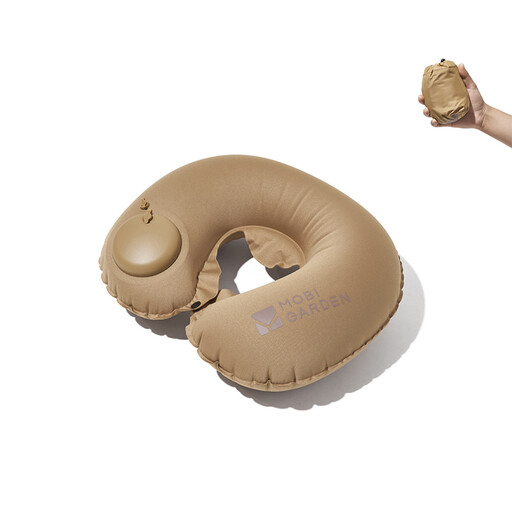
Why This Fits Their Persona: A practical starting point for shoppers who need neck support during travel, camping or an office nap without buying an electronic device.
It does not rely on vague massage claims. The product is clearly a press-to-inflate U-shaped pillow with stated packed dimensions.
No charging is required; it weighs approximately 260g and rolls down for storage.
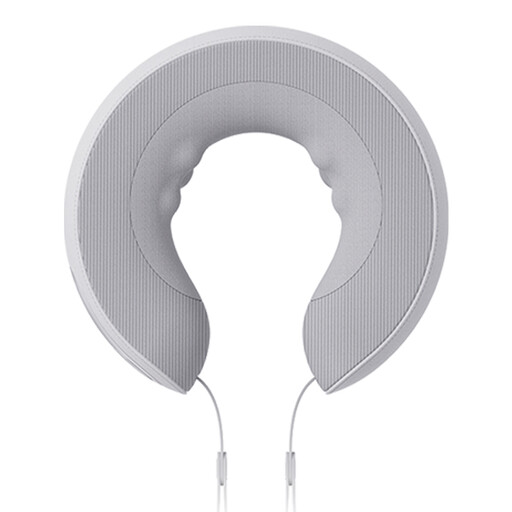
Why This Fits Their Persona: Suitable for home users who want a structured neck massage routine with heat and a more encompassing contact design.
Its description specifies 42 contact points, a 43°C heating setting and a washable cover, giving shoppers concrete features to compare.
The 3D rotating contact design and stated heat function provide a defined feature set for home use.
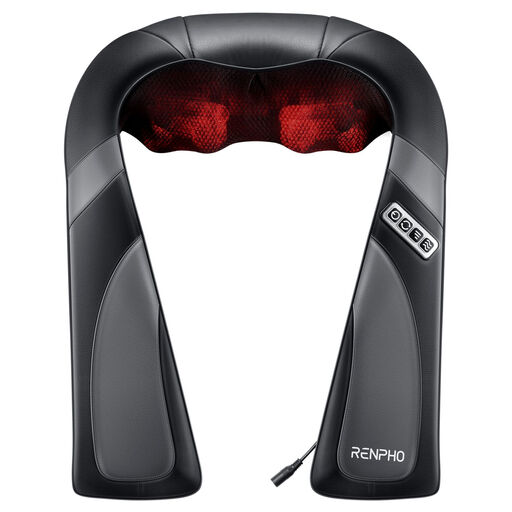
Why This Fits Their Persona: A mains-powered option for home users who want hands-free kneading across the neck and shoulders, back, legs or feet.
It specifies three intensity levels, bi-directional rotation, optional heat and automatic shut-off with overheat protection.
Eight deep-kneading nodes and an ergonomic U-shape provide broad hands-free coverage.
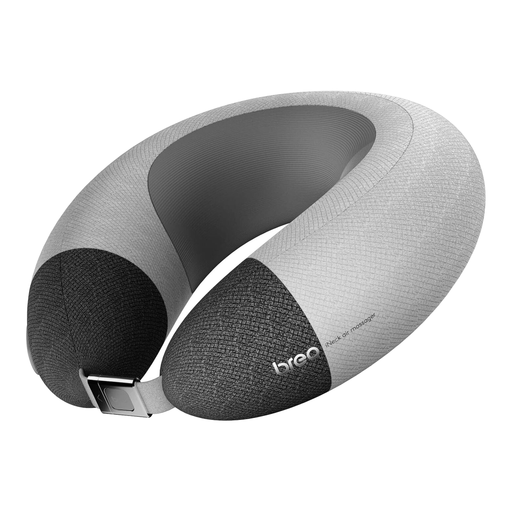
Why This Fits Their Persona: Its inflatable format, USB charging and storage bag make it suitable for commuting, flights, car journeys and thoughtful wellness gifting.
The product information identifies three modes, optional heat, USB charging and a portable inflatable design rather than leaving portability undefined.
It combines a U-shaped hands-free form with rechargeable USB operation and a low-noise design description.
We have compiled a complete, real-time list of products that fully satisfy these strict selection criteria and UK safety regulations.
Follow the specific manual, but many devices recommend around 15–20 minutes per session. Avoid extending sessions simply because the device feels comfortable at first. Heat and electrical pulse functions may require additional restrictions.
Most rechargeable models use relatively little electricity during a short session. Running cost depends on the battery, charging frequency and household electricity tariff. Mains-powered Shiatsu models avoid battery charging but draw power while operating, so check the product’s rated wattage where provided.
A neck massager may help you relax, but it should not be treated as a diagnosis or medical treatment. Do not use one over an injury, swelling, rash or open wound. If pain is severe, persistent or accompanied by other symptoms, consult a qualified healthcare professional before purchasing or using a device.