
24/7 Customer Support

Free returns

Same-day & Next-day Delivery

Quality Guaranteed

Unlock Your Welcome Offers: FREE Delivery | Up to 80% OFF | Free 30-day JoyPlus trial
Download the APP
Long hours at a desk, commuting, travelling and looking down at a phone can leave the neck and shoulders feeling tight. A neck massager may offer convenient at-home relaxation, but choosing one is not simply a matter of selecting the device with the most massage modes.
Marketing language can make similar-looking products appear very different. Before buying a neck and shoulder massager, focus on the massage method, fit, heat control, power source, cleaning requirements and safety information. This guide explains the main buying traps and compares suitable options for different UK lifestyles.
Terms such as “6D”, “9D”, “deep tissue” and “professional touch” describe a product’s design or marketing position, not a guaranteed result. A shiatsu neck massager with rotating nodes may feel too intense for some users, while a vibrating neck massager may feel more suitable for gentle daily use.
Check whether the product offers:
A device with many settings is not automatically more practical if the controls are difficult to operate.
A heated neck massager can feel soothing, but warmth should be adjustable and used for limited periods. Product descriptions may highlight temperatures around 42–45°C, yet comfort varies according to skin sensitivity, clothing and session length.
Look for selectable heat levels, clear usage guidance and overheat protection where available. Never fall asleep while using a neck massager with heat, and avoid direct contact with bare skin if the manual advises using a cover or barrier.
A hands-free neck massager is only convenient if it stays in place. Some wrap-around designs are rechargeable and suitable for an office break, while mains-powered shiatsu models may be better suited to a fixed chair at home.
Before purchase, confirm:
For a gift, also consider whether the recipient will need to download an app, apply water-based lotion for EMS contact or adjust a relatively heavy device.
Rotating kneading nodes are commonly found in shiatsu neck massagers. They imitate a pressing and rolling action and may also be suitable for shoulders, back, legs or feet, depending on the manual.
Vibration generally provides a lighter mechanical sensation. A vibrating neck massager or muscle roller can be useful for users who prefer flexible positioning rather than a fixed collar-style device.
EMS and TENS-style pulses use electrical stimulation through contact points. The sensation can include tingling, so skin contact and intensity adjustment matter. Do not assume an EMS neck massager provides medical treatment or neck pain relief. Follow the supplied instructions and check contraindications carefully.
A microcurrent neck device or facial and neck massager is designed more around cosmetic care, often combining low-level current, vibration, heat, cooling or LED functions. These products should not be confused with conventional muscle-massage equipment.
A larger heating area can distribute warmth more evenly, but it may also increase the importance of correct positioning. Compare the stated temperature range, number of heat settings and whether the device should be placed over clothing.
For example, the SKG G7 Pro-Fold lists a 5,140 mm² heating area and adjustable heat settings, while the Sunluxy K9 lists constant-temperature care of approximately 42°C ± 3°C. These are specification points, not guarantees of a particular physical effect.
A portable neck massager should be assessed by its actual weight, folded shape and charging method. The SKG G7 Pro-Fold is listed at approximately 170–180g and folds through 180 degrees. The breo iNeck Air 2 uses an inflatable U-shaped design and USB charging, which may suit travel.
For UK homes, use the supplied charger or a compatible certified 5V USB charger where specified. Buyers should also check the product listing for applicable conformity information, manufacturer or importer details, warranty coverage and disposal guidance for rechargeable batteries.
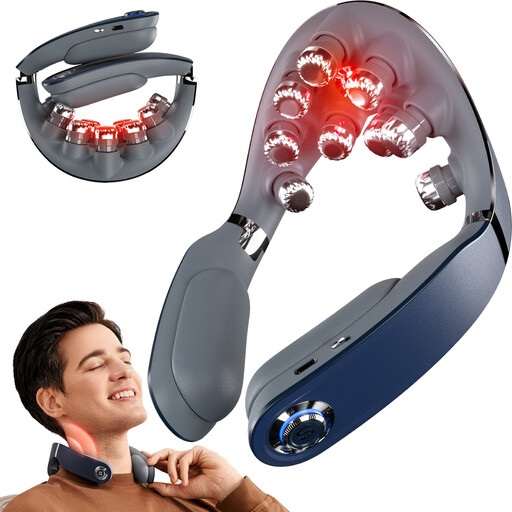
Why This Fits Their Persona: A foldable rechargeable design offers several functions without requiring a separate cushion or mains socket, making it practical for first-time buyers and office use.
It lists adjustable heat, physical vibration and EMS/TENS-style pulse functions, rather than relying on one vague massage claim. Follow the stated skin-contact and session guidance.
Approx. 170–180g; 180-degree folding design; app control via Bluetooth; six listed heat levels up to 42°C.
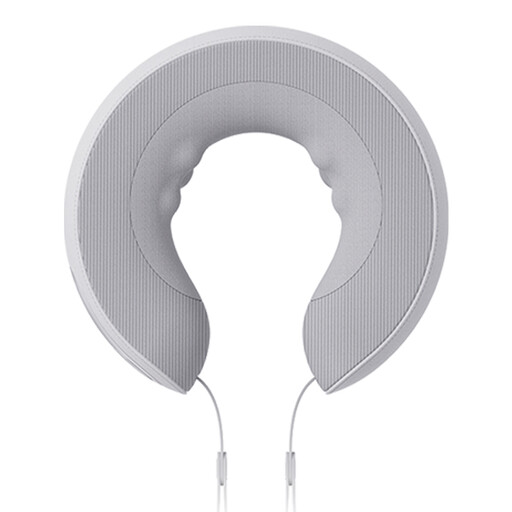
Why This Fits Their Persona: Its neck-focused format and stated 43°C heating film may appeal to buyers seeking a dedicated relaxation device for seated or reclined use at home.
The listed heat setting and 42 contact points give shoppers specific design information to compare, while the safety guidance warns against sleeping with the device.
3D design with 42 contact points; stated constant 43°C heat; washable cover; quiet-use positioning in the product description.
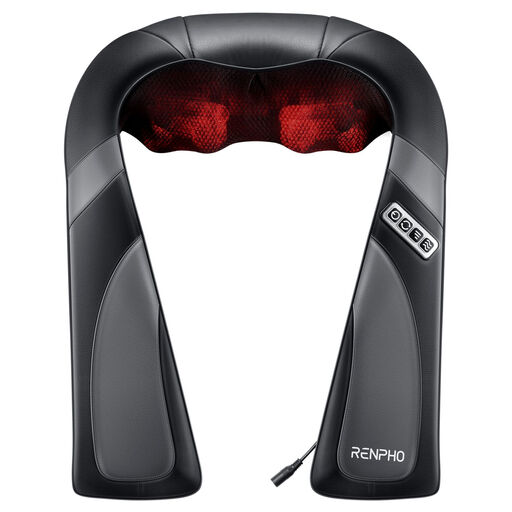
Why This Fits Their Persona: This mains-powered U-shaped model suits users who want a conventional neck and shoulder massager for regular home sessions rather than a compact travel device.
It specifies eight kneading nodes, three intensity levels, two rotation directions and optional heat, allowing a clearer comparison than an unqualified “deep tissue” label.
Eight deep-kneading nodes; optional heat; automatic shut-off and overheat protection listed; carry bag included.
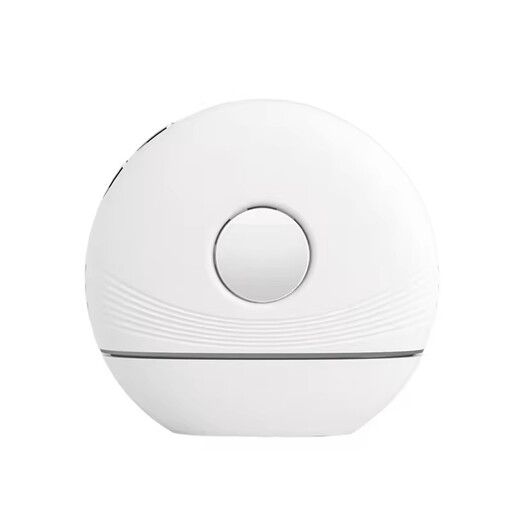
Why This Fits Their Persona: A compact facial and neck massager may suit skincare routines, particularly for users who want temperature modes, vibration and microcurrent in one rechargeable device.
It identifies three modes, three intensities, an 800mAh battery and USB charging. Use only on suitable skin and follow the supplied precautions for EMS and light functions.
95 × 89 × 34mm dimensions; 132g net weight; heating and cooling functions; three adjustable intensity levels.
We have compiled a complete, real-time list of products that fully satisfy these strict selection criteria and UK safety regulations.
These products are for personal relaxation or cosmetic care and are not substitutes for medical diagnosis or treatment.
Many products recommend sessions of around 15–20 minutes, although the correct duration depends on the model. Follow the manual rather than extending sessions because the device feels comfortable. Some rechargeable models list a daily limit, such as two 15-minute sessions.
Typically, the electricity used to recharge a small battery is modest. Running cost depends on battery capacity, charging frequency and the electricity tariff. Mains-powered models do not require battery replacement, while rechargeable products may be more convenient for travel. Check whether the device uses a replaceable battery; many built-in lithium-ion batteries are not user-serviceable.
A neck massager may provide temporary relaxation or a soothing sensation, but it should not be treated as a guaranteed neck pain relief massager or medical device. Avoid using one over an injury or inflamed area, and consult a healthcare professional if pain is severe, persistent or accompanied by other symptoms.