
24/7 Customer Support

Free returns

Same-day & Next-day Delivery

Quality Guaranteed

Unlock Your Welcome Offers: FREE Delivery | Up to 80% OFF | Free 30-day JoyPlus trial
Download the APP
A neck and shoulder massager can be useful for relaxing after desk work, commuting or a long day on your feet. However, product listings often focus on impressive-sounding massage modes while overlooking practical details such as power supply, heat control, fit and cleaning.
Before buying, watch for these common traps:
A useful shiatsu neck massager should provide enough adjustment for different comfort preferences. Look for multiple intensity levels and check whether the massage heads rotate in one or both directions. Bi-directional rotation can help you vary the sensation rather than repeating one pattern.
For a hands-free neck and shoulder massager, also consider the shape and weight. A U-shaped or wraparound design should sit securely without requiring constant pressure from your hands. Look at the stated dimensions and product weight if you have a smaller frame or plan to wear it while seated at a desk.
The phrase deep tissue neck massager generally describes a firm or deeper-feeling kneading action; it is not a guarantee of a particular result. Select an adjustable model and begin with the lowest setting.
A heated neck massager should allow heat to be switched off independently from the massage function. This is particularly important if you prefer kneading without warmth or want to limit heat exposure.
Check for features such as automatic shut-off and overheat protection, then read the supplied instructions before use. Do not sleep while using heat, place a massager on injured or inflamed skin or use it near water. Anyone with a medical condition, pregnancy, a pacemaker, circulation concerns or persistent neck pain should seek appropriate medical advice before using a heated electric massager.
For foot devices, temperature figures can help with comparison. For example, the product information for one foot massager lists a constant 55°C setting, while another specifies a 40–45°C range. These figures are product specifications, not medical recommendations and a lower setting may be more comfortable for some users.
A cordless neck massager or rechargeable massager is more convenient for rooms without a nearby socket, although battery life and charging time matter. A mains-powered electric neck massager can be suitable for a fixed chair or sofa, but it is less flexible when travelling.
For UK buyers, confirm that the product includes a suitable power adapter and follow the manufacturer’s electrical instructions. Look for clear operating guidance, safe-use warnings and appropriate UK product information. Never use a damaged cable or adapter.
For cleaning, choose a wipe-clean outer surface where possible. Foot massagers with removable and washable sleeves are easier to maintain than designs with permanently fixed fabric.
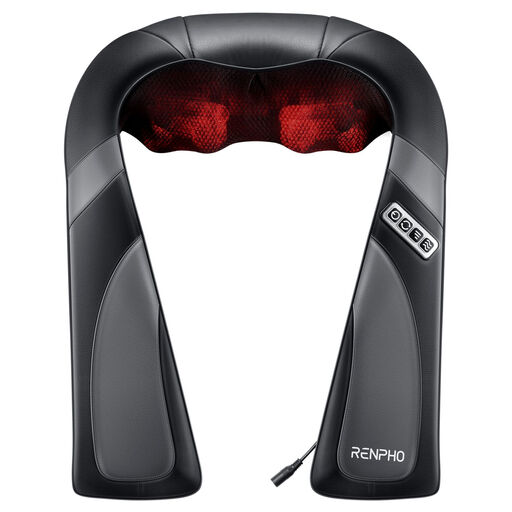
Why This Fits Their Persona: A practical mains-powered option for shoppers wanting adjustable neck, shoulder, back, leg and foot massage at home.
It specifies three intensity levels, optional heat, bi-directional rotation, automatic shut-off and overheat protection.
Eight kneading nodes, ergonomic U-shape and a carry bag are listed features.
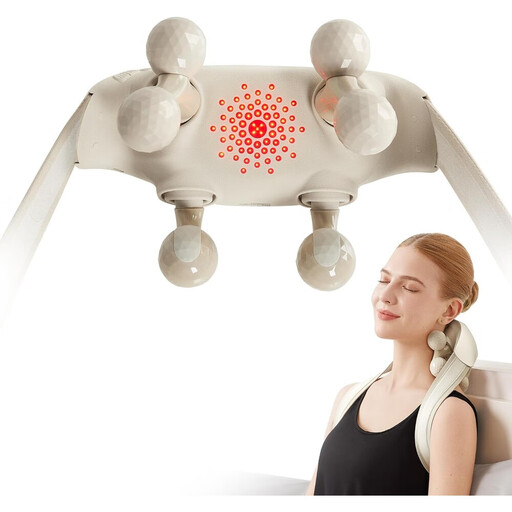
Why This Fits Their Persona: Its wraparound, hands-free format suits home or office use for shoppers prioritising a wider shoulder and neck contact area.
The listing provides battery capacity, stated approximate runtime, product weight and adjustable use instructions rather than relying only on mode names.
The listed specifications include a 2,000 mAh battery, approximately 90 minutes of use and heat.
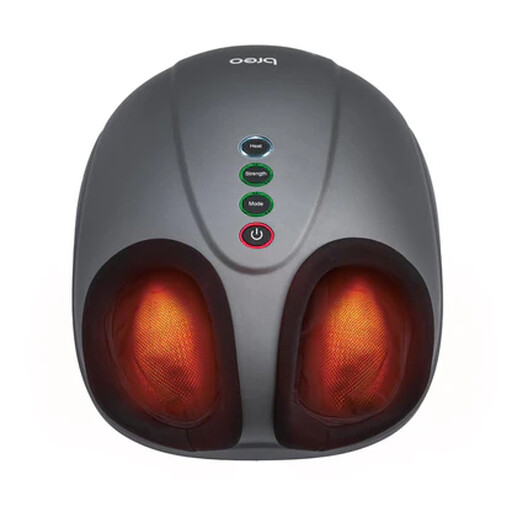
Why This Fits Their Persona: Designed for people who stand or walk for long periods and want a dedicated foot routine at home.
It lists three compression options, optional heat and removable washable foot sleeves, helping address adjustment and hygiene concerns.
Functions include kneading, compression, scraping, rolling, tapping and a listed 40–45°C heat range.
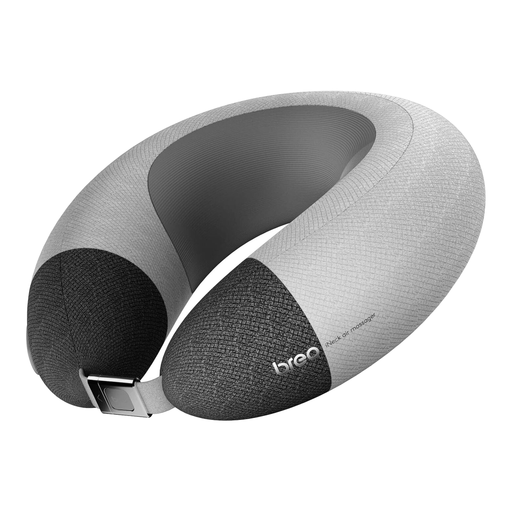
Why This Fits Their Persona: The inflatable U-shaped design, USB charging and storage bag are practical for flights, car journeys, office breaks and gifting.
Its portable format is supported by USB charging, inflatable storage and stated low-noise operation; it is not presented as a mains-only travel device.
The product listing specifies three modes, heat, USB recharging and a 30-day refund or replacement policy.
We have compiled a complete, real-time list of products that fully satisfy these strict selection criteria and UK safety regulations.
Use the device on a stable chair or sofa, position the nodes carefully and start with a short session at low intensity. Follow the supplied session-time guidance rather than assuming longer use is more effective. Keep heat optional, especially during the first few uses.
A portable massager is easier to store when it includes a carry pouch or compact design, but portability should not replace checking battery details. For a rechargeable model, consider whether the stated runtime suits your normal routine and whether USB charging is convenient in your home, workplace or travel bag.
For a potential massage gift for men and women, neutral styling, simple controls and adjustable settings are generally more versatile than highly specialised features. Also check neck sizing, foot dimensions and the return policy before ordering.
Follow the product manual and keep sessions within the recommended duration. Avoid using a device on swollen, injured, inflamed or irritated areas. Stop if you experience pain, dizziness or unusual discomfort. If you have an existing condition or ongoing pain, ask a healthcare professional before use.
Running cost depends on the device’s wattage and the electricity tariff. Mains-powered models usually list wattage on the adapter or product specifications. Multiply kilowatts by hours used and your tariff to estimate the cost. A cordless or rechargeable massager avoids continuous mains connection during use, but it still needs charging.
A plantar fasciitis foot massager may be marketed for targeted foot comfort, but massage is not a guaranteed treatment. Check the instructions and speak to a healthcare professional if you have plantar fasciitis, diabetes, neuropathy, circulation problems or persistent foot pain. Choose adjustable intensity and stop if symptoms worsen.