Hosts offering lower-sugar choices
For a mostly social gathering, put water and lower-sugar drinks within easy reach. The NHS advises checking nutrition labels rather than assuming a drink’s name tells you how much sugar it contains.


For a mainly social New Year’s Eve party, offer water and lower-sugar drinks as the main choices rather than assuming guests need sports drinks; the NHS recommends checking drink labels and offers sugar-free alternatives to sugary drinks. An electrolyte drink may be relevant after substantial sweating, while a carbohydrate-containing isotonic drink fits a more specific exercise-related need. Neither should be presented as protection against the effects of alcohol.
The useful distinction is whether a guest wants an everyday party drink or has a separate exercise-related reason to consider a sports-drink formulation.
For a mostly social gathering, put water and lower-sugar drinks within easy reach. The NHS advises checking nutrition labels rather than assuming a drink’s name tells you how much sugar it contains.
Someone who has exercised for a prolonged period or sweated substantially may have a reason to consider electrolytes. A drink containing carbohydrate is a separate choice, relevant to the particular activity rather than to the party itself.
Compare the amount in the bottle or prepared serving. Formats vary: Sainsbury’s lists 21.3g sugars in a 500ml Orange Bolt bottle, while HIGH5 describes its ZERO tablets as sugar-free. Tablets also need water and preparation.
Start with what guests will be doing, then compare the label and the amount they are likely to drink. A long evening alone is not an exercise-related reason to choose an isotonic drink.
| Priority | What to check | Your needs |
|---|---|---|
| Sugars and serving size | Read sugars and calories for the full bottle or prepared serving, not just per 100ml. Check whether the product contains sweeteners; the NHS recommends comparing drink labels. | I want guests to be able to choose a lower-sugar drink without guessing from words such as “sport” or “isotonic”. |
| Activity and formulation | Check whether the drink contains electrolytes, carbohydrate or both. The British Heart Foundation discusses replacing electrolytes lost through sweating; Sainsbury’s links its Orange Bolt carbohydrate-electrolyte claim specifically to prolonged endurance exercise. | If someone has been exercising for a long time or sweating heavily, I want an option that fits what they are looking for—not a sports drink for everyone at the table. |
| Alcohol and other drinks | Keep water and non-alcoholic drinks available. Drinkaware says alcohol can contribute to dehydration, but does not establish a sports drink as a hangover cure. | When alcohol is served, I want a straightforward non-alcoholic choice without suggesting that an electrolyte drink cancels its effects. |
| Ingredients and preparation | Check the exact pack for allergens, sweeteners and any relevant caffeine declaration. For tablets or sachets, follow that product’s mixing instructions; GOV.UK sets out the requirement to identify specified allergens used as ingredients. | I need to know what is in a drink before offering it to guests, and whether it can be served straight away or needs mixing. |
Formulations differ. Sainsbury’s lists 21.3g sugars and 116kcal per 500ml Orange Bolt bottle, whereas HIGH5 describes its ZERO tablets as sugar-free and zero-calorie.
Compare the nutrition information for the amount that will actually be served. Do not treat “electrolyte” or “isotonic” as a sugar claim.
The carbohydrate-electrolyte claim on Sainsbury’s Orange Bolt concerns prolonged endurance exercise, not an evening spent socialising.
Offer water and lower-sugar drinks for general party use, and consider a sports-drink option when a guest has a relevant activity-related need.
Drinkaware explains that alcohol can contribute to dehydration. A sports drink should not be described as preventing a hangover or making heavy drinking safe.
Make water and other non-alcoholic drinks easy to find, without promising a particular result from any drink.
Different bottles, tablets and powders can have different ingredients and serving instructions. That matters when guests need allergen information or a powder must be diluted.
Check the particular pack before serving it, including ingredients, allergens, serving size and mixing directions.
These examples illustrate different formats and label checks; a brand name alone does not establish the nutrition of every variant.
Lucozade positions its Sport range around fuel and hydration during activity.
Gatorade’s UK Hydration Booster is a sachet drink mixed with water.
Powerade appears among the ready-to-drink sports drinks listed by Sainsbury’s, including a Berry & Tropical 4 × 500ml multipack.
Sainsbury’s Orange Bolt is a 500ml isotonic drink with sugars and sweeteners.
HIGH5 describes its ZERO range as sugar-free electrolyte tablets for mixing with water.
These options include ready-to-drink bottles and cans as well as electrolyte tablets and sachets. Choose the format for the guest’s activity and preferences, then check the particular pack before serving.
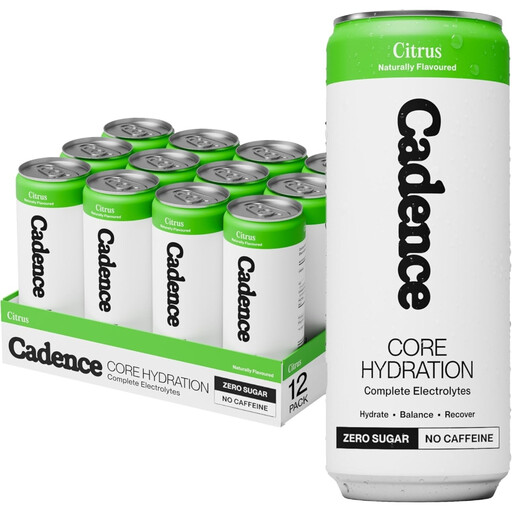 No image available
The 330ml drink format needs no mixing for party service. Check the current can for sugars, salt, ingredients and allergens before deciding whom to serve it to.
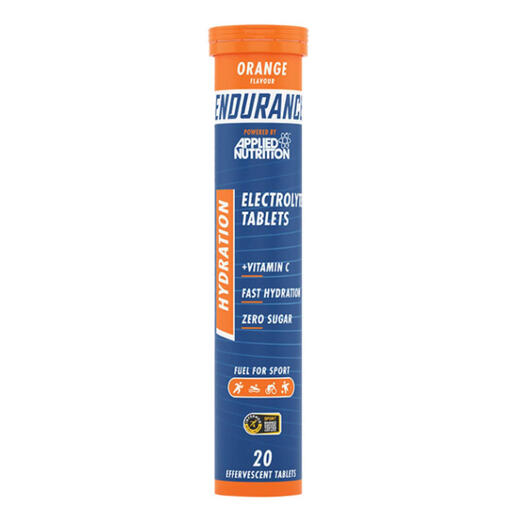 No image available
A mix-with-water option for a guest considering electrolytes after activity. Dissolve a tablet according to the pack directions and check its sugars, ingredients and allergens before serving.
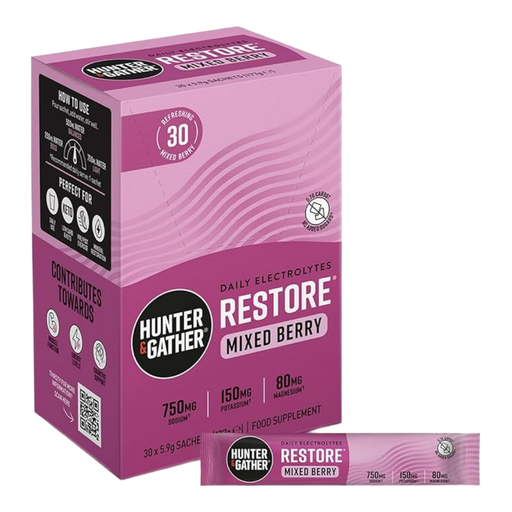 No image available
Sachets are an option when a guest wants a prepared electrolyte drink rather than a bottle. They require water and mixing; follow the pack directions and check the serving’s sugars, salt, ingredients and any suitability warnings.
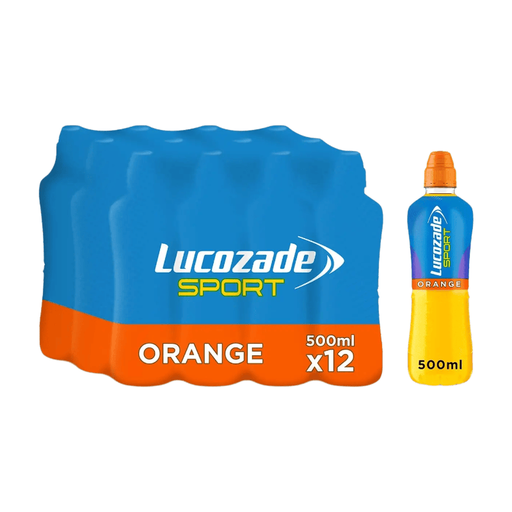 No image available
These 500ml bottles can be served without mixing. Lucozade positions its Sport range for activity; check this variant’s full-bottle sugars, sweeteners and ingredients rather than choosing it as a lower-sugar drink by name.
 No image available
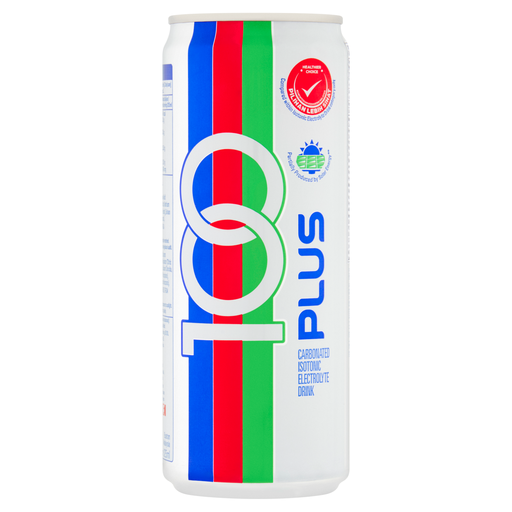
This carbonated isotonic drink comes in a 325ml can and needs no mixing. For an exercise-related choice, compare its full-can sugars and ingredients with other options, and check whether guests want a carbonated drink.
Not for a mainly social occasion. Water and lower-sugar drinks are practical main choices; consider a sports drink separately for someone with a specific need after prolonged exercise or substantial sweating.
Not necessarily. A sugar-free electrolyte tablet and a carbohydrate-containing isotonic drink have different formulations. Check the exact labels, particularly if the guest wants carbohydrate in connection with prolonged activity or is limiting sugar.
Do not rely on a sports drink to prevent or cure a hangover. Drinkaware says alcohol can contribute to dehydration and that plain water or another soft drink will normally do for fluid replacement.
Check sugars and calories for the full bottle or prepared serving, plus ingredients, sweeteners and relevant allergen information. GOV.UK explains that food businesses must identify specified allergens when they are ingredients in a food or drink product.
Follow the instructions for the exact product. Gatorade directs users to mix one Hydration Booster sachet with 500ml water, while HIGH5 recommends one ZERO tablet in 750ml water; those amounts should not be assumed for other products.