
24/7 Customer Support

Free returns

Same-day & Next-day Delivery

Quality Guaranteed

Unlock Your Welcome Offers: FREE Delivery | Up to 80% OFF | Free 30-day JoyPlus trial
Download the APP
Buying New Zealand food and drink online can give UK shoppers access to distinctive honey, wine and seafood, but attractive packaging does not always tell you what you are actually paying for. The key is to compare measurable details such as origin, MGO rating, grape variety, pack size, storage requirements and allergen information.
“New Zealand honey” can describe a broad range of products. Mānuka honey is associated with nectar from the Mānuka plant, while multifloral versions combine Mānuka nectar with other native flowers. A higher price may relate to the MGO rating, floral classification, jar size or certification—not simply the word “Mānuka”.
Check whether the label states:
MGO is a measurement of methylglyoxal in milligrams per kilogram. It is a product specification, not a diagnosis or a guarantee of a medical result.
Marlborough Sauvignon Blanc is widely associated with bright acidity, citrus, tropical fruit and herbal notes, but wines can still differ in alcohol level, sweetness, vintage, pack size and intended drinking window. A bottle from Marlborough is not automatically interchangeable with a New Zealand Pinot Noir or Chardonnay.
Before ordering, look at:
For UK households, a six-bottle case can offer practical value if you already know you enjoy the style. A single 75cl bottle may be more suitable when buying for a gift or trying an unfamiliar producer.
Greenshell mussels are convenient, but frozen seafood needs more planning than ambient groceries. Confirm that the product is IQF, half-shell or whole, check the net weight and make sure your delivery arrangements allow the product to remain frozen.
For a frozen seafood purchase, check:
Do not refreeze seafood after it has fully defrosted unless the packaging specifically says that this is suitable.
MGO Manuka honey is often chosen by shoppers comparing concentration and price. A 250g jar can suit occasional use or gifting, while a 500g jar may be more practical for regular household use. Compare the MGO rating per jar rather than judging value by the front-of-pack wording alone.
Raw Manuka honey is generally described as unpasteurised. Natural crystallisation can occur and does not necessarily indicate spoilage. Store the jar according to its label, keep the lid closed and avoid excessive heat. Honey should not be given to children under 12 months because of the risk of infant botulism.
A monofloral Manuka honey is associated primarily with Mānuka nectar, whereas multifloral Manuka honey includes nectar from Mānuka and other plants. Neither description alone tells you whether the flavour will suit you, so check tasting notes: lighter floral flavours may be easier for first-time buyers, while higher-MGO products are often described as richer or more caramel-like.
New Zealand Sauvignon Blanc from Marlborough is commonly served chilled and works with seafood, salads, goat’s cheese and lighter dishes. A New Zealand Pinot Noir may offer red-fruit and earthy notes, with serving temperatures slightly above those used for white wine. New Zealand Chardonnay can range from fresh and fruit-led to fuller styles, so the product description and producer details are useful comparisons.
UK shoppers should also check alcohol units. A 75cl bottle at around 13% ABV contains approximately 9.75 UK units, while a 13.5% bottle contains approximately 10.1 units. The UK Chief Medical Officers advise that adults should not regularly exceed 14 units per week. Alcohol is not suitable for under-18s, and pregnant women are advised to avoid it.
Greenshell mussels are recognised by their distinctive shells and are available in convenient frozen formats. A half-shell pack can reduce preparation time and work well for baking, grilling or serving as part of a seafood platter.
Check whether the nutrition panel and preparation instructions match the actual product listing. If information appears inconsistent, use the physical packaging as the final reference and contact the seller before purchase, particularly if you have an allergy or dietary restriction.
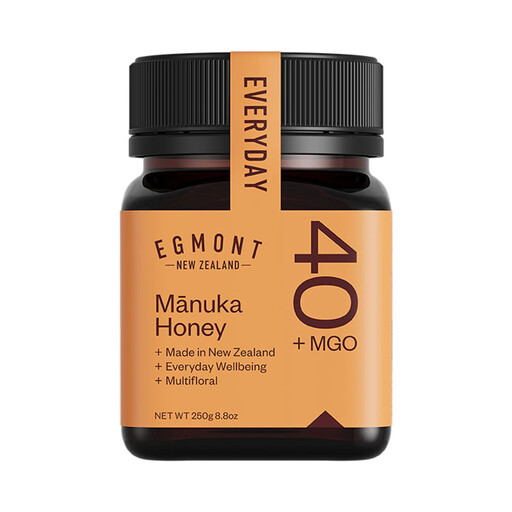
Why This Fits Their Persona: A smaller 250g jar provides a manageable way to compare Mānuka flavour and texture without committing to a larger household pack.
The listing identifies a multifloral format and MGO 40+ rating, making the comparison clearer than relying on vague wellness wording.
250g format; 100% honey ingredient listing; raw and multifloral description.

Why This Fits Their Persona: Suitable for shoppers specifically comparing a higher MGO specification and monofloral classification in a compact jar.
The product information gives a stated MGO 250+ level and identifies the honey as monofloral, allowing direct specification-led comparison.
MGO 250+ stated; monofloral format; 250g size for gifting or occasional use.

Why This Fits Their Persona: The 800g frozen half-shell format suits dinner parties, seafood platters and households that want a ready-to-prepare New Zealand ingredient.
The listing clearly states half-shell, IQF, 800g and frozen storage requirements, reducing uncertainty about preparation and handling.
Half-shell presentation; IQF format; 800g net weight; New Zealand origin stated.
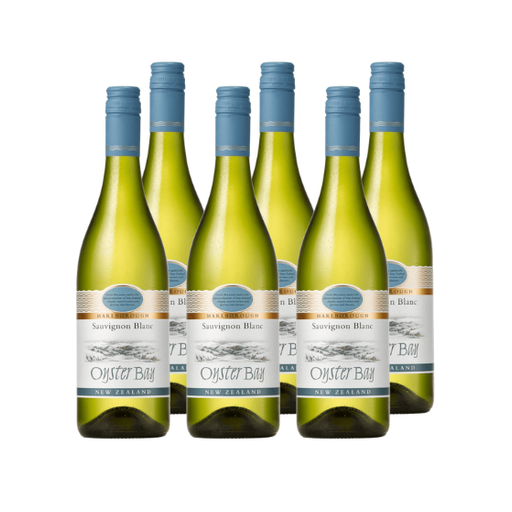
Why This Fits Their Persona: A six-bottle case is convenient for hosts planning several meals, celebrations or regular pairing with seafood and lighter dishes.
The listing specifies Marlborough origin, Sauvignon Blanc grape, 12.5% ABV and six 75cl bottles rather than leaving the format ambiguous.
Six-bottle case; Marlborough origin; 12.5% ABV; sulphites declared.
We have compiled a complete, real-time list of products that fully satisfy these strict selection criteria and UK safety regulations.
The main buying distinctions are the stated MGO rating, floral classification, origin and certification details. Mānuka honey may be monofloral or multifloral, while ordinary honey may come from different flowers and regions. Always check the ingredient list and product label.
Keep unopened bottles away from direct sunlight, heat and large temperature changes. White wine is generally served chilled, while Pinot Noir is often served lightly chilled. Once opened, reseal the bottle, refrigerate it and follow the product’s suggested consumption window.
They can be practical for family meals, but mussels are molluscs and must be avoided by anyone with a relevant allergy. Follow the pack’s defrosting and cooking instructions, keep the product frozen until required and ensure it is heated thoroughly before serving.