
24/7 Customer Support

Free returns

Same-day & Next-day Delivery

Quality Guaranteed

Unlock Your Welcome Offers: FREE Delivery | Up to 80% OFF | Free 30-day JoyPlus trial
Download the APP
As a Joybuy Product Recommendation Officer, my role is to help you navigate the crowded shelves and find products that genuinely deliver. When it comes to New Zealand Sauvignon Blanc, its popularity is a double-edged sword. While there are many excellent choices, there are also common pitfalls that can lead to a disappointing purchase. Before you add a bottle to your basket, let's look at what to watch out for.
The zesty, aromatic profile of a good Marlborough Sauvignon Blanc is unmistakable, but not all bottles live up to the promise. Many shoppers fall into a few common traps:
To ensure you're getting a wine that matches your taste, it pays to look beyond the front label. Here are the core parameters to check before you buy.
Understanding where the grapes were grown is the single most effective way to predict the wine's style. While most New Zealand white wine of this type comes from Marlborough, the specific valley makes a difference.
The tasting notes on the back label are your best friend. Look for specific descriptors that align with your preferences. A well-made dry white wine like Sauvignon Blanc should have a balance of these elements:
To make things simpler, we've matched some standout options to different types of wine drinkers.
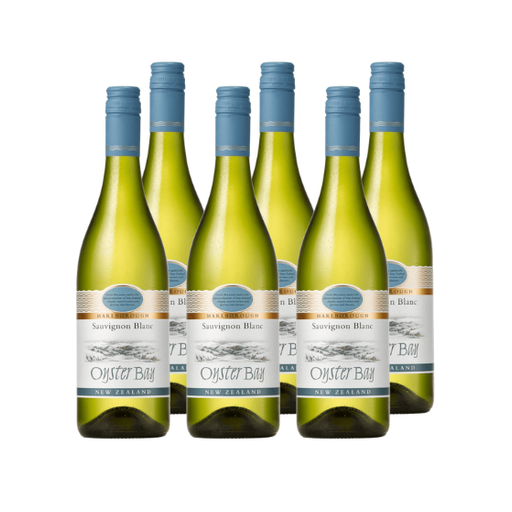
Why This Fits Their Persona: This person hosts gatherings and needs a reliable, crowd-pleasing wine that offers good value. Buying a trusted brand like Oyster Bay in a Sauvignon Blanc case deal ensures consistency and readiness for any occasion, from a weekend barbecue to a casual dinner party.
It avoids the "brand-only" trap by being a smart choice. Oyster Bay has built its reputation on a consistent, zesty and fruit-forward profile that reliably delivers the classic Marlborough experience guests expect.
Excellent value when purchased as a case. A globally recognised profile of aromatic tropical fruits and a zesty finish that pairs well with a wide range of foods.
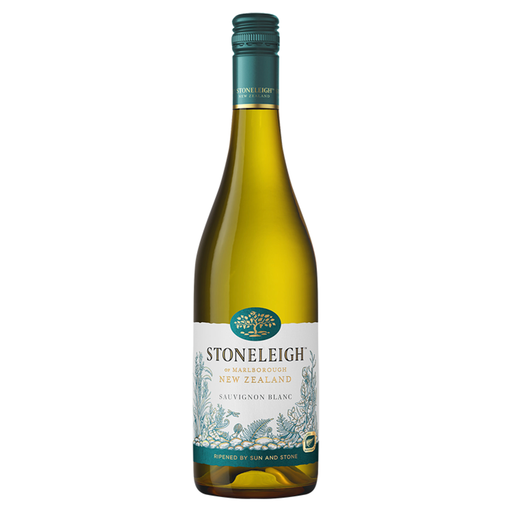
Why This Fits Their Persona: This individual plans their wine around their meal, whether it's grilled scallops, a goat cheese salad or herb-roasted chicken. They need a wine with enough complexity and structure to complement food, not just overpower it.
It sidesteps the generic "Marlborough" trap by highlighting its specific terroir—sun-bleached river stones in the Wairau Valley. This detail explains its signature "wet-stone minerality" and clean backbone, which are key for food pairing.
A powerful balance of rich tropical fruit and a distinct mineral, flinty edge. Its racy acidity makes it exceptionally versatile with seafood, salads and poultry.
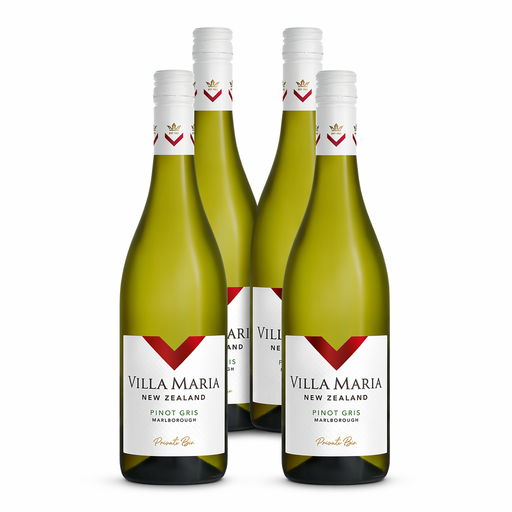
Why This Fits Their Persona: This person loves the freshness of New Zealand whites but is open to exploring beyond Sauvignon Blanc. They appreciate quality and are looking for a versatile wine that is slightly different but still comes from a trusted producer.
This choice directly breaks the "Sauvignon Blanc or nothing" mindset. It introduces a high-quality New Zealand Pinot Grigio from a top-tier brand, offering a different but equally refreshing experience.
Features flavours of ripe pear and red apple with a richer texture. The "off-dry" finish makes it exceptionally food-friendly, especially with spicy Asian dishes or roasted poultry.
We have compiled a complete, real-time list of products that fully satisfy these strict selection criteria and UK safety regulations.
For the best experience, this wine should be served well-chilled, ideally between 8-10°C. If it's too cold, the vibrant aromas will be muted. If it's too warm, the alcohol will be more noticeable and the wine will feel less crisp and refreshing. Taking it out of the fridge about 15-20 minutes before serving is usually perfect.
This style of wine is crafted to be enjoyed in its youth. To experience the peak of its zesty fruit character and vibrant acidity, it's best to drink it within 1 to 3 years of the vintage date printed on the label. It is not a wine that benefits from long-term cellaring, as its fresh profile will fade over time.
Yes, there is a significant difference in style. New Zealand Sauvignon Blanc is world-renowned for its intense aromatics, high acidity and flavours of passionfruit, gooseberry and fresh-cut grass. In contrast, New Zealand Pinot Grigio (often labelled Pinot Gris) typically has a richer, more rounded texture. Its flavour profile leans towards pear, apple and stone fruit, often with a hint of spice and a delicately off-dry finish.