
24/7 Customer Support

Free returns

Same-day & Next-day Delivery

Quality Guaranteed

Unlock Your Welcome Offers: FREE Delivery | Up to 80% OFF | Free 30-day JoyPlus trial
Download the APP
Preparing for a new baby can quickly turn into a long list of purchases. From newborn nappies and baby wipes to feeding equipment, bathing products and travel accessories, it is easy to spend money on items that look useful but do not suit your routine.
This guide focuses on the practical details that matter when choosing newborn baby essentials, helping you avoid common buying traps and select products for everyday use from birth to around three years.
Terms such as “natural”, “premium” and “gentle” do not always explain what a product contains or how it should be used. Check the ingredients, materials, age guidance and care instructions instead.
For sensitive skin, fragrance-free and alcohol-free baby wipes may be preferable, but every baby is different. Stop using a product if redness or irritation develops and seek appropriate medical advice where necessary.
Babies grow at different rates, particularly during the first few months. Purchasing large quantities of one nappy size or stocking up on several feeding systems before your baby has tried them can create waste.
A smaller pack can be useful initially. Once you know which fit, teat flow or wipe texture works for your household, larger multipacks may offer greater convenience.
A self-sterilising baby bottle can save storage space, but it still needs careful washing and correct microwave use. A foldable baby bath is convenient for smaller homes, but it must remain stable and be used with constant adult supervision.
Convenience features are valuable when they match your routine; they should not replace safety checks or the manufacturer’s instructions.
For sensitive skin baby products, look for clear ingredient information and avoid assuming that “plant-based” means suitable for every child. Wipes may contain purified water, moisturising agents, preservatives or botanical extracts. If your baby has a known sensitivity, consider introducing one new product at a time.
For nappies, check the fit around the legs and waist, the softness of the inner layer and whether the design leaves room around the healing navel. A wetness indicator can be convenient, but regular checks and timely changes remain important.
When choosing baby bottles, check:
For newborn feeding essentials, infant formula should be prepared and stored exactly as directed on the packaging. Breastfeeding is recommended where possible; infant formula is suitable from birth when babies are not breastfed and should be used according to guidance from a midwife, health visitor, pharmacist, dietitian or another relevant professional.
A baby bath should have a stable base, smooth surfaces and clear age or weight limits. Temperature indicators can provide an additional prompt, but always check the water yourself before bathing and stay within arm’s reach.
For a baby carrier, confirm the minimum weight, fastening method and carrying position. An ergonomic M-position refers to the baby’s knees being higher than the bottom, but the carrier must still be adjusted correctly and checked regularly as your baby grows.
A baby grooming kit may include small or sharp components such as scissors, a thermometer or a nasal aspirator. These are adult-use items and should be stored securely.

Why This Fits Their Persona: A straightforward option for new parents building a small changing-bag supply or trying fragrance-free wipes before committing to bulk purchases.
The product information specifies fragrance-free and alcohol-free use, rather than relying only on broad “gentle” wording.
Plant-based fibres, aloe vera and a 60-wipe pack size for everyday nappy changes.
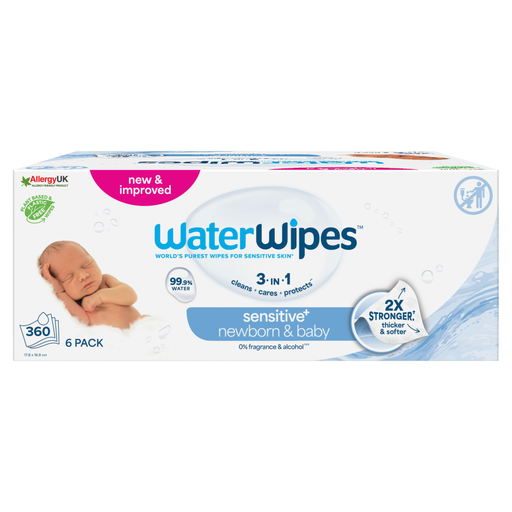
Why This Fits Their Persona: Suitable for households prioritising a short ingredient list and a larger supply for frequent newborn changes.
The listed formula contains 99.9% purified water and grapefruit seed extract, with no fragrance or alcohol stated.
Six packs of 60 wipes, plant-based wipe material and suitability stated from birth.
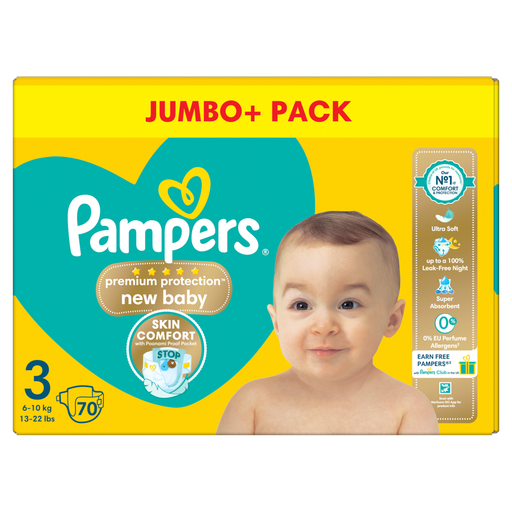
Why This Fits Their Persona: A larger pack for families who already know the required size and want to reduce repeat shopping during busy nappy-change routines.
The size is clearly specified, helping shoppers avoid buying a jumbo pack before confirming fit.
70-pack format, breathable micropores and flexible side wings listed for a close fit.
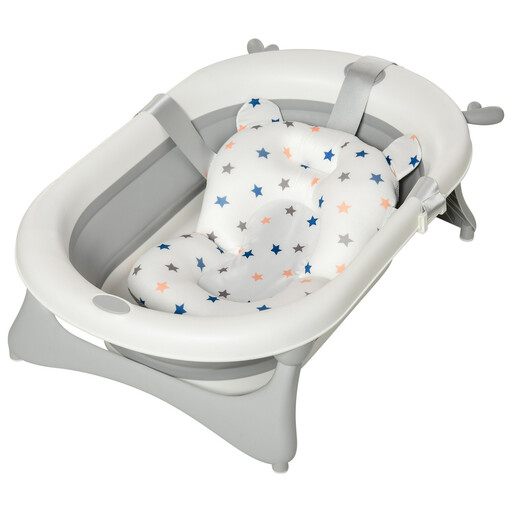
Why This Fits Their Persona: Useful for families with limited bathroom storage or those who need a bath that can be moved between rooms or taken away.
The foldable design is listed at 9.5cm when folded, while the stated maximum load is 30kg.
Built-in temperature warning plug, soft bath cushion and non-slip outer legs.
Before placing an order, consider organising your shopping list into these groups:
Used wipes and nappies should go into household waste unless local council guidance states otherwise. Do not flush wipes, even when packaging uses flushable-sounding language.
We have compiled a complete, real-time list of products that fully satisfy these strict selection criteria and UK safety regulations.
Start with enough supplies for the first one to two weeks rather than buying every size or product type in bulk. A modest selection of nappies, wipes, clothing, feeding equipment and bathing items gives you time to learn your baby’s preferences and rate of growth.
The number used varies, but newborns often need frequent changes. Fit is more important than buying the largest pack: move up a size if the nappy leaves marks, leaks repeatedly or feels tight around the waist and legs.
The answer depends on pack price, usage and whether you need portable cleaning for travel or nursery visits. Wipes offer convenience, while cotton wool and water may suit some early nappy changes at home. Compare the cost per usable wipe and select a formula that suits your baby’s skin.