
24/7 Customer Support

Free returns

Same-day & Next-day Delivery

Quality Guaranteed

Unlock Your Welcome Offers: FREE Delivery | Up to 80% OFF | Free 30-day JoyPlus trial
Download the APP
Preparing for a baby can quickly turn into a search for dozens of products, from newborn nappies and baby bottles to soothers, grooming tools and travel equipment. The challenge is separating genuine everyday usefulness from features that sound impressive but may not suit your baby’s age, routine or available space.
This guide to newborn baby essentials focuses on practical specifications, safe use and value for UK households. It also highlights selected baby care products available through Joybuy, so you can compare suitable options before making a purchase.
A label such as “from birth” does not mean every product will suit every baby or family. Check the product’s weight range, capacity, teat flow, size and intended use. For example, 340ml baby bottles may be more suitable as feeds increase, while 160ml bottles can be easier to manage during the earliest weeks.
Self-sterilising bottles, wetness indicators and temperature markers can simplify routines, but they do not replace careful use. Microwave sterilisation still requires the correct water quantity, heating time and cooling period. A nappy wetness indicator is a visual prompt, not a substitute for checking and changing your baby regularly.
Bulk packs of newborn nappies or infant formula may appear economical, but babies grow quickly and feeding needs vary. Buying a smaller pack first can reduce waste if the fit, material or product type is unsuitable. Always check the best-before date, storage instructions and ingredients before purchasing formula in larger quantities.
For newborn essentials, age guidance is only one part of the decision. Nappies should fit securely around the waist and legs without leaving excessive gaps or pressing into the skin. Size 0 nappies are designed for very small newborns, while larger packs may suit babies who have already moved up a size.
For a baby carrier, check the stated minimum weight and whether the design supports a safe M-position. Do not rely on appearance alone; follow the manufacturer’s fitting instructions and inspect all buckles and straps before use.
Look for clearly stated materials, such as BPA-free polypropylene, silicone teats or cotton fabric. For soothers, products marked as complying with EN 1400 are designed against the relevant European safety requirements for soothers. Dedicated soother holders should comply with EN 12586; never attach homemade cords or ribbons.
For bottles and feeding equipment, follow the manufacturer’s cleaning and sterilisation instructions. Inspect teats, bottle bodies and brush heads regularly, replacing any item showing cracks, tackiness, loose bristles or other damage.
A baby bottle that is quick to clean may be more useful than one with extra parts. Check whether the bottle can be sterilised using equipment you already own and whether spare teats are readily available.
Powdered infant formula requires sterilised equipment, freshly boiled water cooled according to the label instructions and accurate levelling of scoops. Ready-to-feed formula avoids mixing when travelling, although opened liquid feeds still require careful refrigeration and disposal. Infant formula should be selected with advice from a midwife, health visitor, pharmacist, dietitian or another appropriate healthcare professional.
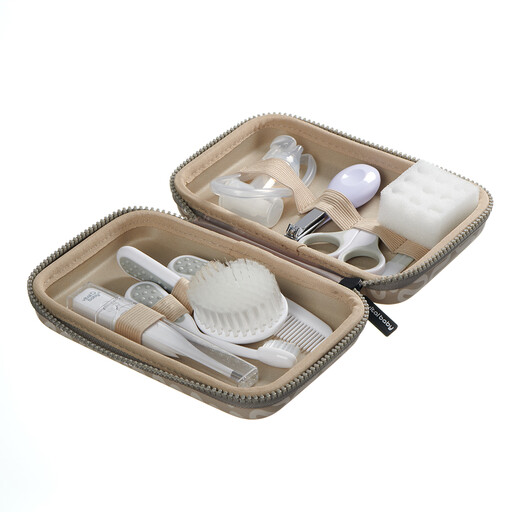
Why This Fits Their Persona: A compact nine-piece set can help first-time parents cover everyday grooming and basic temperature monitoring without buying each item separately.
The kit lists its contents clearly, including rounded-tip scissors, an emery board, a nasal aspirator and a digital thermometer, rather than relying on vague “complete care” wording.
Suitable from 0+ months and supplied in a zip-up travel case. BPA-free plastic, stainless steel and synthetic nylon bristles are specified.
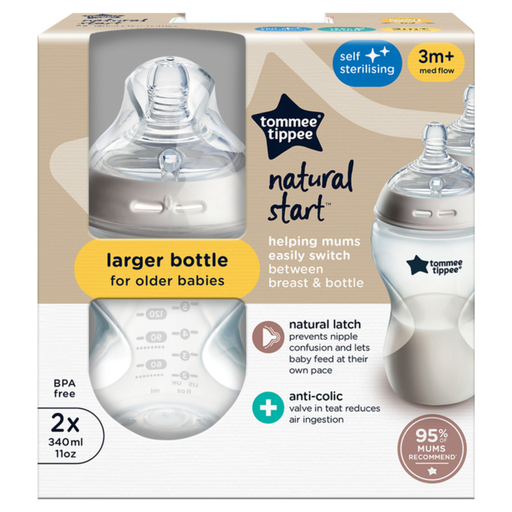
Why This Fits Their Persona: Parents who want larger bottles for growing feeds may appreciate the two-bottle format and built-in self-sterilising instructions.
The 340ml capacity and 3-month-plus guidance make the intended stage clearer than buying a large bottle solely because it appears more economical.
Each bottle holds 340ml and can be self-sterilised in a microwave using 50ml of water and the stated three-minute process.
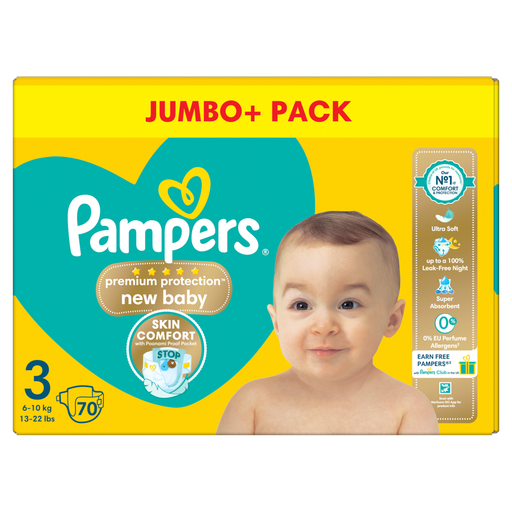
Why This Fits Their Persona: A 70-pack format is practical for households that have already confirmed the fit and need a steady supply of nappies.
The pack is available in a named size, helping shoppers compare fit rather than assuming every “new baby” nappy has the same dimensions.
Features a wetness-absorbing layer, breathable micropores and flexible side wings. Check the listed size against your baby’s current fit before ordering.
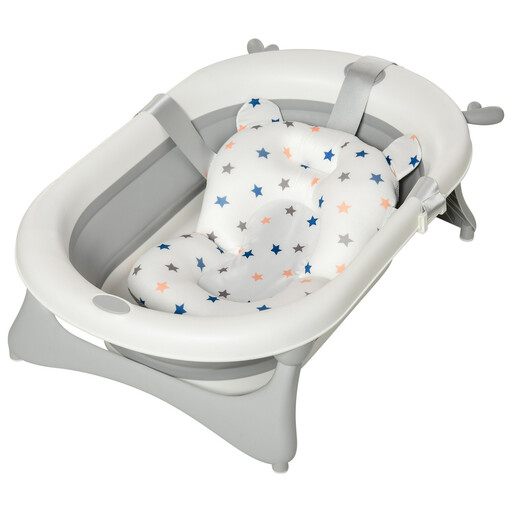
Why This Fits Their Persona: The foldable design is suited to flats, smaller bathrooms or families who need to store a baby bath between uses.
It provides stated dimensions, a 35-litre capacity and a folded thickness of 9.5cm, making storage needs easier to assess before purchase.
Designed for children aged 0–3 years, with a temperature warning plug and non-slip covers. Never leave a baby unattended in water.
We have compiled a complete, real-time list of products that fully satisfy these strict selection criteria and UK safety regulations.
Before ordering, consider grouping your shopping list by task:
Start with a modest supply until you know which size and fit work for your baby. Newborns may need frequent changes, but growth can be rapid. Once the fit is confirmed, a larger pack can reduce repeat shopping and packaging.
There is no single lifespan for every product. Inspect bottles, teats and soothers before each use. Replace items immediately if they become cracked, weak, sticky, cloudy or damaged. Some soother manufacturers recommend replacement every one to two months, so always follow the individual label.
Powdered formula may have a lower cost per feed, but it requires preparation, sterilised equipment and careful storage. Ready-to-feed bottles can be useful for travel or occasional feeds, although their price per volume may be higher. Compare pack size, expected usage, storage requirements and professional feeding advice rather than price alone.