
24/7 Customer Support

Free returns

Same-day & Next-day Delivery

Quality Guaranteed

Unlock Your Welcome Offers: FREE Delivery | Up to 80% OFF | Free 30-day JoyPlus trial
Download the APP
Niacinamide products cover a wide range of needs, from an everyday niacinamide moisturiser to a targeted serum, face mask, body emulsion or vitamin B3 supplement. The challenge is knowing whether a product matches your skin concern, preferred texture and intended use—or whether appealing packaging is disguising a weak or unsuitable choice.
Two common shopping traps are worth avoiding. First, a product described as “multi-benefit” may contain several actives but offer little sun protection, so it may not be suitable for managing the appearance of sun-related uneven tone. Secondly, a high niacinamide percentage is not automatically the right choice for sensitive skin. Formula balance, supporting ingredients and frequency of use matter too. Supplements present a separate risk: niacinamide tablets and flush-free niacin products can provide substantially more vitamin B3 than ordinary dietary requirements, so dosage and medical suitability need careful attention.
Choose the product format according to how you plan to use it:
The percentage can help you compare products, but it is not the only meaningful specification. For example, The Ordinary Niacinamide 5% Face and Body Emulsion provides a clearly stated 5% concentration, while Medicube TXA Niacinamide Capsule Cream lists 5% niacinamide alongside ceramide, panthenol and hyaluronic acid.
Look for supporting ingredients that suit your routine:
Always check the current packaging because ingredient lists and directions can change.
An SPF moisturiser should state its protection level clearly. SPF15 and SPF30 are not interchangeable, and neither should encourage under-application. The OLAY Vitamin C Face Moisturiser Day Cream SPF30 is designed for daytime use, but protection can be reduced by swimming, sweating or towel drying. Follow the label’s application and reapplication guidance.
For oral products, distinguish flush-free niacin, niacinamide and ordinary nicotinic acid. Flush-free formulations commonly use inositol hexanicotinate, while niacinamide is a different form of vitamin B3. A 250mg capsule and a 1,000mg tablet are high-strength products compared with normal dietary requirements. Do not exceed the stated serving. Ask a pharmacist or other qualified healthcare professional before use if you are pregnant, breastfeeding, taking medicines or have liver, gout, diabetes or stomach-related conditions.
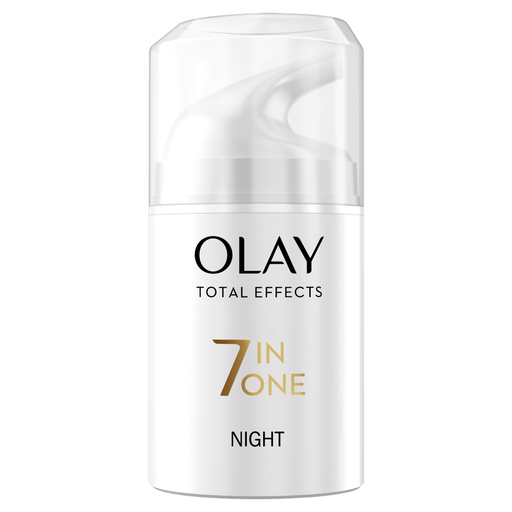
Why This Fits Their Persona: A straightforward evening moisturiser for shoppers who want one familiar step after cleansing rather than several separate treatments.
It is clearly positioned as a night moisturiser, so you are not paying for daytime SPF that you may not need in an evening formula.
Contains niacinamide and panthenol; its lightweight, non-greasy format is designed for daily night-time use.
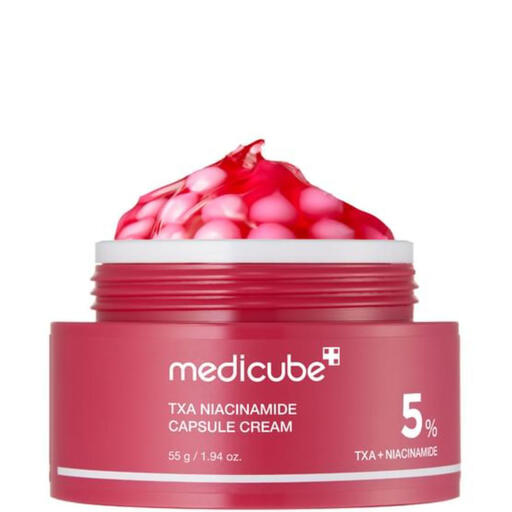
Why This Fits Their Persona: Suitable for shoppers who value a more customisable texture and want several conditioning ingredients in one face cream.
The formula lists its 5% niacinamide concentration and explains how to adjust the gel-to-capsule balance rather than relying only on vague “glow” wording.
Includes ceramide NP, panthenol and several hyaluronic acid forms; 55g content offers a slightly larger format than many 50ml creams.
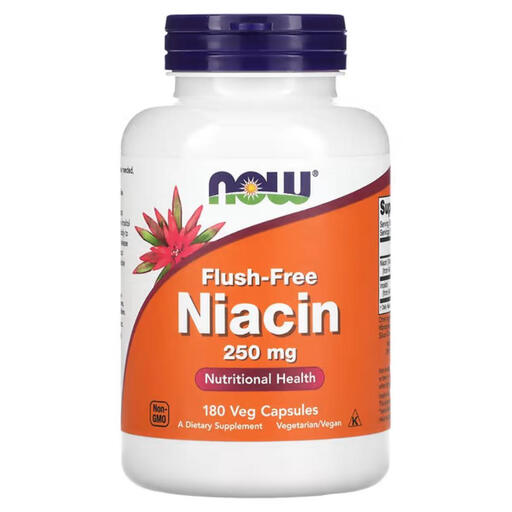
Why This Fits Their Persona: A practical option for adults specifically seeking a vegan vitamin B3 capsule format and a large 180-capsule supply.
The label identifies inositol hexanicotinate and gives a defined 250mg amount per capsule, making comparison easier than an unspecified “B-complex blend”.
Vegan capsules; recommended use is one capsule daily with a meal. Check suitability with a healthcare professional before taking.
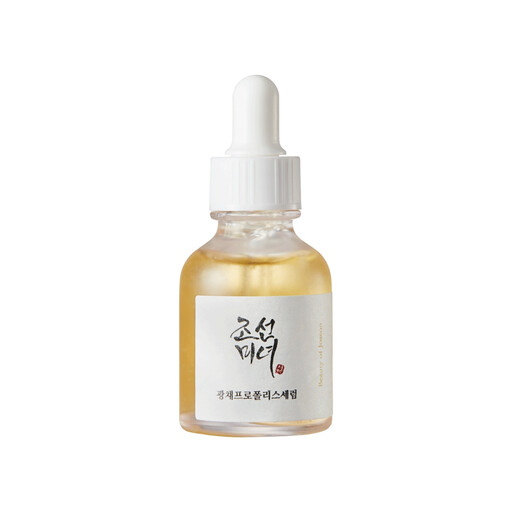
Why This Fits Their Persona: A face serum for people who prefer a lighter treatment layer aimed at dullness, visible pores and uneven-looking texture.
Its ingredient list states 2% niacinamide and 0.5% BHA, helping shoppers identify the formula’s actual active profile.
Contains propolis extract, alpha-arbutin and rice bran water; follow with moisturiser and daytime sunscreen.
We have compiled a complete, real-time list of products that fully satisfy these strict selection criteria and UK safety regulations.
It may be, but tolerance depends on the whole formula and how often it is applied. Start with a small amount, avoid combining several potentially irritating actives immediately and patch test new products. Stop use if persistent redness, itching or discomfort develops.
Topical niacinamide may help improve the appearance of uneven tone over time, but results vary. A dark spot treatment should be paired with consistent daytime sun protection. Seek medical advice for a changing, bleeding or persistent mark rather than relying on cosmetic skincare.
No. Flush-free niacin commonly refers to inositol hexanicotinate, while niacinamide is nicotinamide, another form of vitamin B3. Both are oral supplement ingredients, but they should be compared by form, amount per serving and safety instructions—not simply by the word “niacin”.