
24/7 全天候客户支持

免费退货

当日/次日达

品质保障

开启新人专享福利: 全场免邮 | 低至 2 折 | 免费试用 30 天 JoyPlus 会员
下载 Joybuy
Dullness, uneven tone, visible pores and post-blemish marks can make choosing skincare feel unnecessarily complicated. The market includes everything from a lightweight niacinamide serum to a rich niacinamide face cream, plus vitamin B3 supplements that are intended for general wellness rather than topical use.
The main challenge is separating useful product information from vague promises. A high percentage does not automatically mean a formula will suit your skin, while an SPF moisturiser may not offer enough protection for prolonged outdoor exposure. Use the guide below to compare textures, supporting ingredients, strengths and practical usage before buying.
Niacinamide is often promoted by concentration alone. However, the rest of the ingredient list affects how a product feels and what concerns it addresses. A formula may combine niacinamide with humectants such as glycerin or hyaluronic acid for dehydration, while another may include exfoliating acids, fragrance or essential oils that some sensitive users prefer to avoid.
A niacinamide serum with 2–5% may be a practical starting point for combination or sensitive skin. Higher concentrations, such as 10%, may appeal to shoppers focusing on visible pores or uneven tone, but introduce new products gradually and stop using them if irritation develops.
Brightening skincare can improve the appearance of dull or uneven-looking skin, but cosmetic products should not be presented as treatments for medical conditions or guaranteed solutions for pigmentation. Ingredients such as yuja extract, alpha-arbutin, vitamin C derivatives and tranexamic acid are commonly included in products designed for a more even-looking complexion.
Daily sun protection also matters. A daytime moisturiser with SPF can be convenient, but the protection level, application amount and need for reapplication should be checked carefully. SPF15 and SPF30 products are not interchangeable for every outdoor situation.
A face serum and a vitamin B3 supplement serve different purposes. Topical niacinamide is applied to the skin, while tablets and capsules provide vitamin B3 for dietary use. High-strength supplements are not automatically more suitable and may not be appropriate for everyone.
Check the serving size, form of vitamin B3, allergen information and warnings. Consult a healthcare professional before using high-dose products if you are pregnant, breastfeeding, taking medication or have a medical condition.
Look for the stated niacinamide concentration where available, then assess the supporting formula. For dry or dehydrated skin, glycerin, panthenol, ceramides and hyaluronic acid can make a product more comfortable. Oily or blemish-prone users may prefer a lighter gel texture and non-comedogenic labelling, while fragrance and essential oils may be worth avoiding if your skin is reactive.
A niacinamide moisturiser can combine treatment and hydration, whereas a serum gives you more flexibility to layer a separate SPF face moisturiser during the day.
If you already use exfoliating acids, retinoids or other active ingredients, avoid introducing several new products at once. This makes it easier to identify the source of any redness, stinging or dryness.
For flush-free niacin or vegan niacin capsules, compare the form and amount per serving rather than the front-of-pack marketing. Inositol hexanicotinate is used in some flush-free products, while niacinamide is a separate form of vitamin B3. A 250mg capsule and a 1,000mg tablet represent very different strengths.
Always follow the label. High-dose products should not be used to treat abnormal cholesterol or other health conditions without professional advice.
The following products match different shopping priorities. Product formulations, packaging and instructions can change, so check the current label before use.
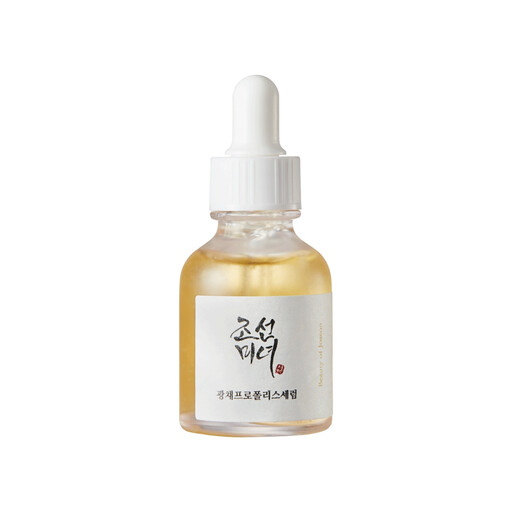
Why This Fits Their Persona: A compact serum option for shoppers building a simple routine around hydration, visible pores and uneven-looking tone.
It lists 2% niacinamide and 0.5% BHA, helping buyers understand the formula rather than relying on an unspecified “glow” claim.
Contains propolis extract, alpha-arbutin, panthenol and rice bran water in a 30ml serum format.
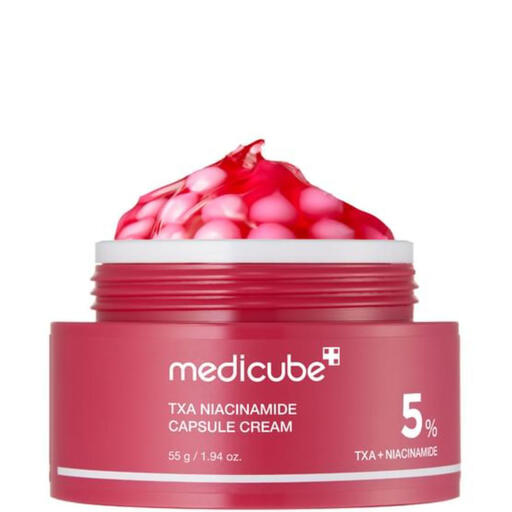
Why This Fits Their Persona: Suits shoppers who want a moisturiser with several complementary ingredients and an adjustable cream-to-gel feel.
The ingredient list identifies 5% niacinamide, tranexamic acid, ceramide NP and several forms of hyaluronic acid.
The pink capsules and red gel can be mixed in different proportions for a lighter or richer finish.
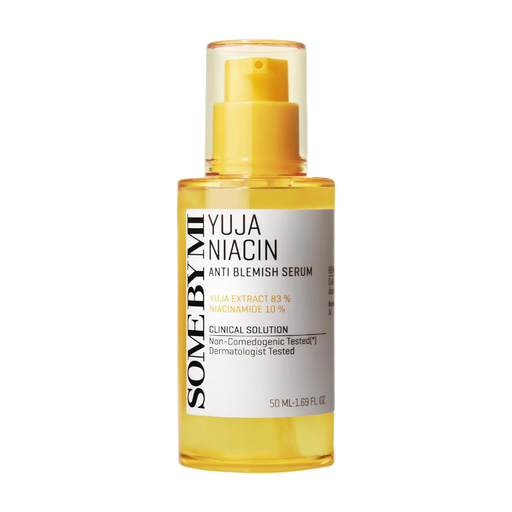
Why This Fits Their Persona: A gel serum for users prioritising dullness, post-blemish marks and a light, non-greasy texture.
Its listed formula provides clear headline figures: 83% yuja fruit extract and 10% niacinamide.
Includes alpha-bisabolol, panthenol, liquorice root and vitamin derivatives in a 50ml gel-type serum.
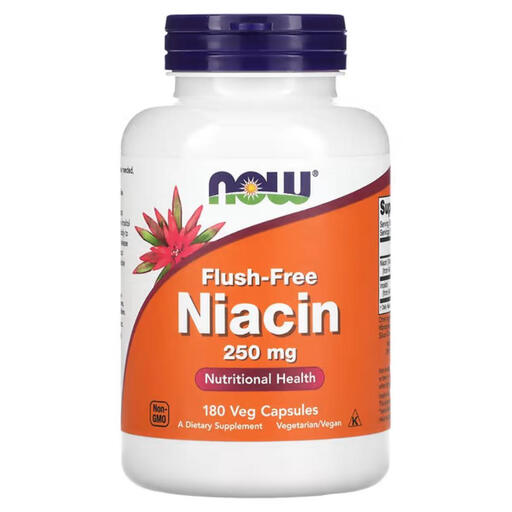
Why This Fits Their Persona: Suitable for adults specifically comparing vegan niacin capsules and a flush-free format for general dietary supplementation.
The product states 250mg per capsule and identifies inositol hexanicotinate as its flush-free form.
Vegan capsules, 180-count packaging and instructions to take one capsule daily with a meal.
We have compiled a complete, real-time list of products that fully satisfy these strict selection criteria and UK safety regulations.
Apply a serum to clean skin, then use a moisturiser suited to your skin type. During the day, finish with sunscreen and follow the product’s reapplication guidance when outdoors. For a niacinamide face mask, use it as an occasional treatment rather than layering several new actives at once.
Those seeking an anti-ageing moisturiser may prefer niacinamide combined with peptides or hyaluronic acid. Oily skin may suit a gel serum, while dry skin may need a richer cream containing barrier-supporting ingredients. A propolis glow serum or yuja niacin serum can add botanical extracts, but check the full ingredient list if you are sensitive to fragrance or essential oils.
Many topical formulas are designed for daily use, but follow the individual directions. Start once daily or every other day if your skin is sensitive, and patch test new products. Stop using a product if persistent redness, itching, swelling or burning develops.
It depends on the stated SPF, application amount and exposure. SPF15 and SPF30 products provide different labelled protection levels, and neither should be treated as unlimited protection. Apply generously, reapply as directed and use additional sun-protection measures during extended outdoor activity.
No. Flush-free products commonly use inositol hexanicotinate, while niacinamide supplements contain nicotinamide. Both are forms of vitamin B3, but they are different ingredients and strengths. Compare the label carefully and seek healthcare advice before taking high-dose supplements.