
24/7 全天候客户支持

免费退货

当日/次日达

品质保障

开启新人专享福利: 全场免邮 | 低至 2 折 | 免费试用 30 天 JoyPlus 会员
下载 Joybuy
Shopping for niacinamide skincare products can quickly become confusing. The ingredient appears in everything from a niacinamide serum and toner to a face cream, cleanser, mask and even a niacinamide supplement. Yet a higher percentage or a longer list of benefits does not automatically make a product suitable for your routine.
For UK shoppers, three common pitfalls are worth checking before spending money:
The practical approach is to match the formula, supporting ingredients and intended use to your skin type and main concern.
Niacinamide is also known as vitamin B3 and is commonly included in brightening skincare, oil-balancing formulas and products designed to support the appearance of an even skin tone. Product percentages vary considerably.
For example, the Some By Mi Yuja Niacin Anti-Blemish Serum lists 10% niacinamide, while the Medicube TXA Niacinamide Capsule Cream lists 5% niacinamide. The Beauty of Joseon Glow Serum contains 2% niacinamide alongside propolis and BHA. These are different formulation approaches rather than a simple ranking.
Check what surrounds niacinamide in the ingredient list:
Always read the current packaging because ingredients and instructions can change.
A niacinamide serum is a concentrated treatment step, usually applied after cleansing and toner. A niacinamide moisturiser or niacinamide face cream is more convenient for shoppers who prefer fewer steps. A toner provides a lightweight layer, while a cleanser offers only brief contact with the skin and should not be treated as a replacement for a leave-on product.
For dry skin, consider a hydrating face cream with glycerin, panthenol, hyaluronic acid or emollients. Oily and combination skin may prefer a gel cream or lightweight serum. A niacinamide face mask can work as an occasional treatment, but it should complement rather than replace daily moisturising.
An SPF moisturiser can simplify a morning routine. However, SPF15 and SPF30 products should be applied generously and reapplied as directed, particularly after swimming, sweating or towel drying. For extended outdoor exposure, use a dedicated sunscreen that suits the conditions.
Sun protection is especially relevant when your routine targets the appearance of dark spots or uneven tone. Niacinamide products do not replace sunscreen, and cosmetic products should not be presented as treatments for medical pigmentation conditions.
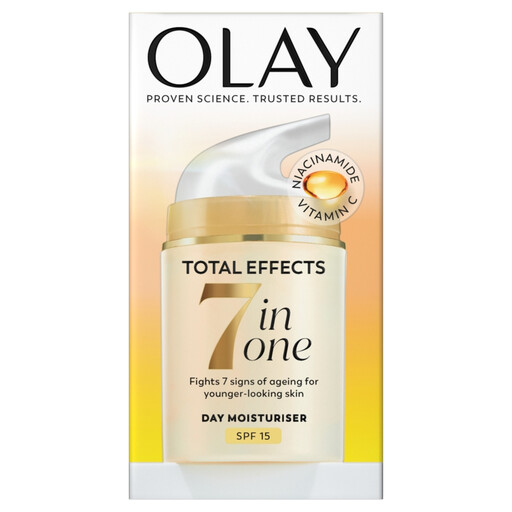
Why This Fits Their Persona: A practical option for UK shoppers wanting one daytime moisturiser rather than separate hydration and treatment steps.
Its listed SPF15 is clearly stated, so shoppers can distinguish it from a non-SPF cream and add stronger dedicated sun protection when needed.
Oil-free formula; contains niacinamide, panthenol and vitamin E; listed for dry, normal and oily skin types.
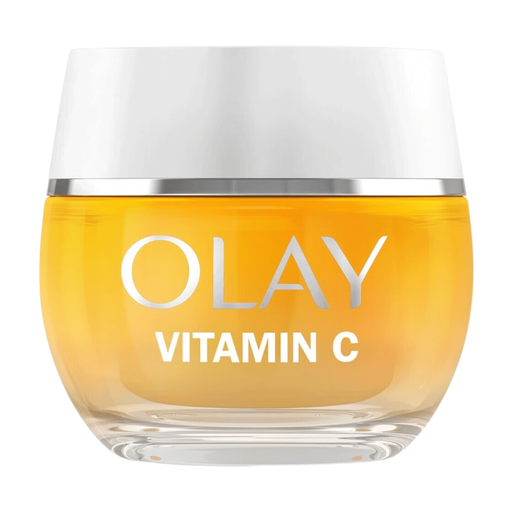
Why This Fits Their Persona: Suits shoppers seeking a brightening day cream with a higher listed SPF and a lightweight texture for everyday commuting.
The product specifies SPF30 and instructs users to apply generously and reapply after activities that reduce coverage.
Lists niacinamide and a vitamin C derivative; provides a non-greasy day moisturiser format with SPF30.
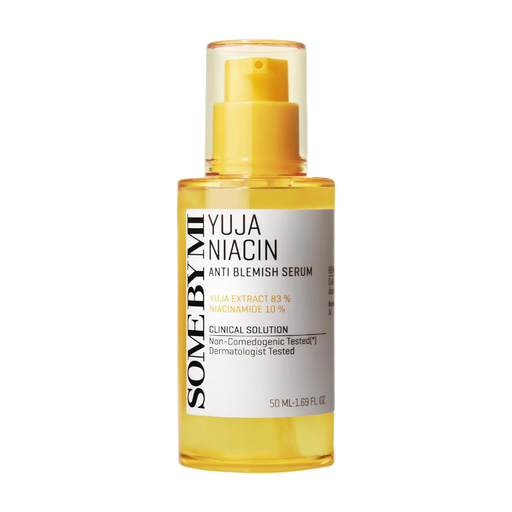
Why This Fits Their Persona: Designed for shoppers who specifically want a leave-on serum for dull-looking, oily or blemish-prone skin.
The listed 10% niacinamide concentration and gel texture make the product’s intended treatment format easier to identify than a vague multi-benefit claim.
Contains yuja extract and niacinamide; lightweight gel texture; use is followed by moisturiser and daytime sunscreen.
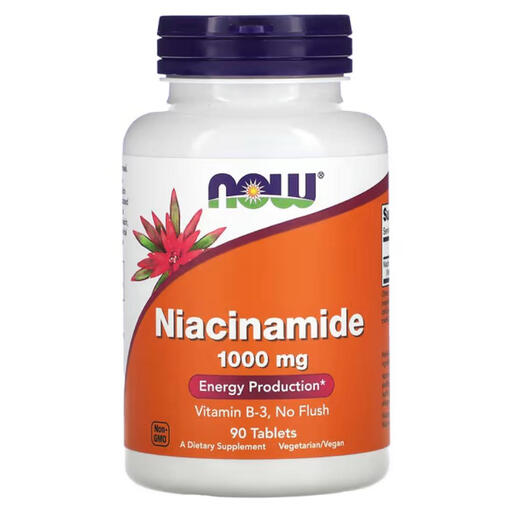
Why This Fits Their Persona: For adults specifically comparing oral vitamin B3 products rather than topical skincare; it is a separate category with different safety considerations.
The label clearly states the 1,000mg amount and adult-use warnings, helping prevent shoppers from confusing a supplement with a topical niacinamide product.
90 tablets; vegan and vegetarian suitability is listed. Consult a healthcare professional before use if pregnant, taking medicines or managing a health condition.
We have compiled a complete, real-time list of products that fully satisfy these strict selection criteria and UK safety regulations.
Start with one new product and apply it according to the label. Patch testing is sensible, particularly for sensitive skin or formulas containing fragrance, citrus extracts, acids or several active ingredients. Avoid applying cosmetic products to broken or irritated skin, and stop if persistent redness, itching, swelling or burning develops.
A straightforward routine might be:
For an anti-ageing moisturiser, compare hydration ingredients and texture rather than relying on claims about lifting or regeneration. For dark spot concerns, look for clear ingredient information and maintain daily sun protection. A niacinamide supplement should not be selected as a substitute for topical skincare or used to address a medical condition without appropriate medical advice.
Usually, yes, provided both products suit your skin and are introduced gradually. Apply the lighter serum before the cream, and avoid stacking several high-strength or exfoliating products immediately.
It may be suitable for some people, but sensitivity depends on the complete formula and individual skin. Start with a small area, check the ingredient list for fragrance or acids, and discontinue use if irritation occurs.
The usable period depends on the product’s packaging, storage conditions and how often it is used. Keep creams, serums and masks away from heat and direct sunlight, close containers promptly, and check the batch or shelf-life information printed on the packaging.