
24/7 全天候客户支持

免费退货

当日/次日达

品质保障

开启新人专享福利: 全场免邮 | 低至 2 折 | 免费试用 30 天 JoyPlus 会员
下载 Joybuy
Niacinamide skincare and beauty products now cover almost every part of a daily routine, from serum and moisturiser to foundation and vitamin B3 supplements. That variety is useful, but it can also make product pages difficult to compare.
Marketing language often focuses on a high percentage, a long-wear claim or a broad list of benefits. The more practical questions are: What is the product designed to do? Where does niacinamide appear in the ingredient list? Is the texture suitable for your skin type? UK shoppers should also check usage directions, warnings, shade information and the current packaging before buying.
A formula containing 10% niacinamide may appeal to shoppers seeking anti-blemish skincare or brightening skincare, but concentration alone does not determine whether a product will suit your routine. A higher level may feel unsuitable for sensitive or easily irritated skin, particularly when combined with fragrance, exfoliating acids or essential oils.
If you are new to the ingredient, a niacinamide moisturiser or toner with a simpler formula can be easier to introduce than a highly concentrated serum.
Niacinamide products can be selected to support a more even-looking complexion, but cosmetic results vary. Claims about uneven skin tone, blemishes and dark spots should not be treated as medical promises. Look for complementary ingredients, clear directions and a daily sunscreen rather than relying on one product alone.
Topical niacinamide in a serum is not the same as a flush-free niacin supplement. Oral vitamin B3 products have different dosage instructions, warnings and suitability considerations. Anyone who is pregnant, breastfeeding, taking medication or managing a medical condition should seek advice from a healthcare professional before using a supplement.
Ingredients are listed in descending order by weight, although this does not provide an exact percentage for every ingredient. Some products state a niacinamide concentration clearly, such as 5%, 10% or 50,000 ppm. Compare this with the rest of the formula:
A niacinamide toner is usually applied after cleansing, while a niacinamide serum is placed before moisturiser. Creams and conditioning milks are generally used later in the routine. Applying several highly active products at once can make it harder to identify the cause of irritation.
For make-up users, texture matters as much as the ingredient list. A lightweight moisturiser can provide a smoother base, while a long-lasting foundation should be selected by finish, coverage, shade and wear requirements, not simply because it contains niacinamide.
Check the net content and how often the item is intended to be used. A 400ml body cream may offer more applications than a 30ml facial serum, but it is not automatically suitable for facial use. For supplements, check the amount per capsule, serving instructions and warnings.
Product formulations can change, so always read the ingredient list, batch information, directions and warnings printed on the packaging supplied with your order.
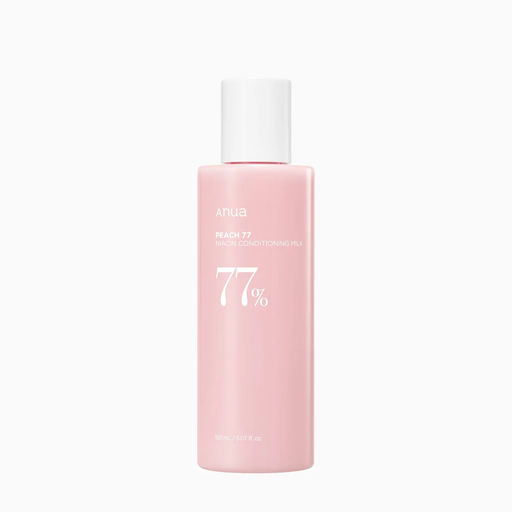
Why This Fits Their Persona: Its milk texture suits shoppers wanting one daily conditioning step for hydration and a smoother make-up base without choosing a separate rich cream.
The product description identifies its lightweight, non-greasy texture and gives clear morning and evening directions rather than relying only on a percentage claim.
Contains niacinamide, ceramide NP, panthenol and several forms of hyaluronic acid; supplied in a 150ml format.
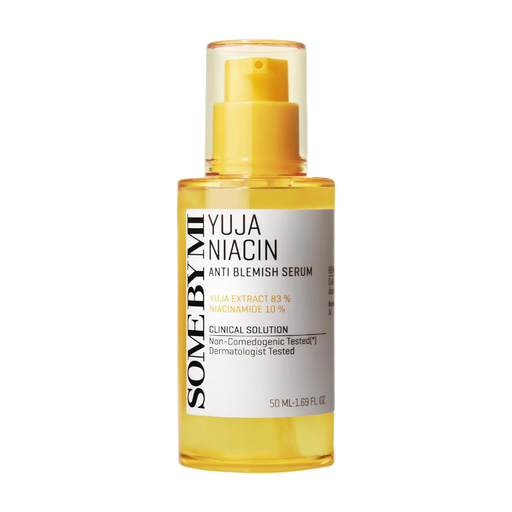
Why This Fits Their Persona: Shoppers focusing on dullness, post-blemish marks and a lightweight serum format may prefer this concentrated option.
Its listed ingredient information gives a stated 10% niacinamide level and a gel texture, making the concentration and intended feel easier to compare.
Includes yuja fruit extract, niacinamide, panthenol and vitamin derivatives in a 50ml serum format.
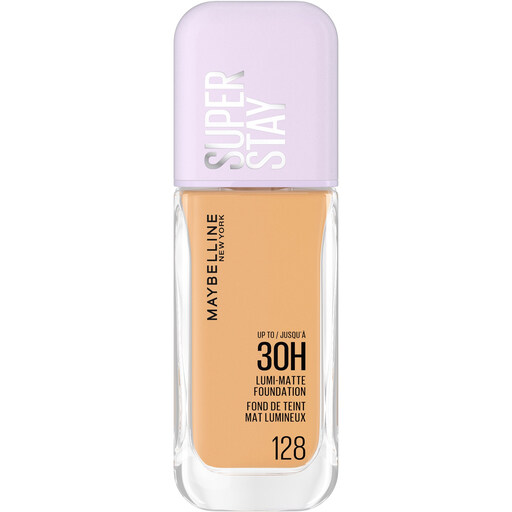
Why This Fits Their Persona: Suitable for shoppers comparing long-lasting foundation options for extended workdays, travel or events who also want a vegan foundation formula.
The listing separates coverage, finish, shade and wear information, so shoppers can assess more than the niacinamide reference alone.
Medium-to-full buildable coverage, luminous matte finish and a listed wear claim of up to 30 hours; shade 128 is one of several available shades.
For a simple daily routine, choose one treatment product and one moisturising step before adding more actives. A niacinamide cream may be preferable to a serum if you want fewer layers. For body discolouration or larger areas, a body cream such as the Mixa Niacinamide Bright Moisturising Anti-Dark Spot Cream offers a 400ml format and includes shea butter and vitamin C derivative ingredients.
Those comparing vitamin B3 products should distinguish cosmetic niacinamide from oral niacin. NOW Foods Niacin Flush Free Vitamin B3 250mg provides 250mg per capsule in the form of inositol hexanicotinate and is labelled as a vegan capsule. Follow the supplied dosage and seek professional advice where the product warnings apply.
We have compiled a complete, real-time list of products that fully satisfy these strict selection criteria and UK safety regulations.
Many products are directed for daily use, but start according to the label and introduce one new active at a time. Apply to clean skin, avoid the eye area and use a moisturiser afterwards. Daytime routines should include suitable sunscreen.
It can be, depending on the full formula and texture. Look for lightweight, non-greasy or oil-free descriptions, but check the ingredient list if you are prone to sensitivity or blocked pores.
Divide the number of capsules by the stated daily serving. For example, a bottle containing 180 capsules at one capsule daily provides 180 daily servings. Do not exceed the recommended dosage, and check the label before use.